
Global Reactions to Iran's World Cup Performance
The Iranian national football team's opening match in the World Cup, a 2-2 draw against New Zealand, elicited diverse reactions from supporters both within Iran and among the diaspora. The game, held in the United States, was observed through a lens colored by ongoing geopolitical complexities, leading to a nuanced experience for fans.
Celebrations and Divisions in Tehran
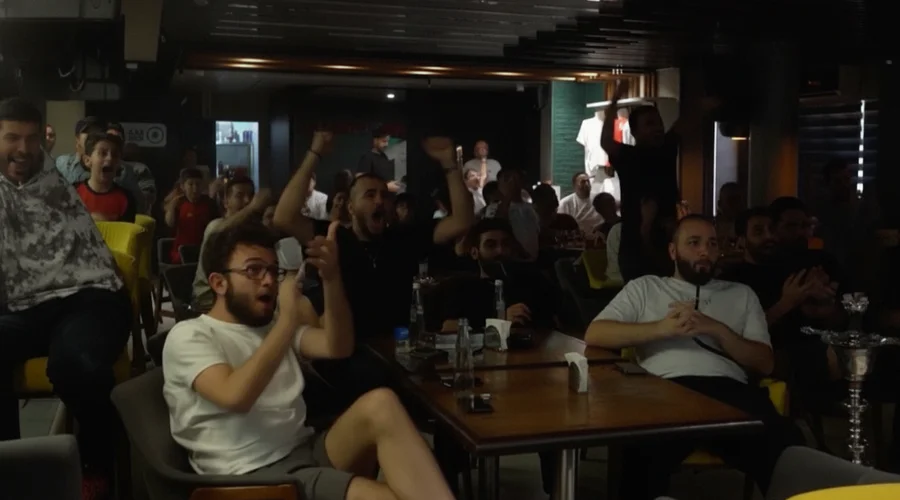
In Tehran, the capital city of Iran, fans gathered to watch their national team compete on the global stage. The draw, while not a victory, was met with a degree of enthusiasm and relief by many. Public spaces and private homes became venues for collective viewing, as supporters cheered on their players. The shared experience of watching the national team often transcends daily political discourse, offering a moment of unity through sport. Despite the various internal socio-political discussions prevalent in the country, the immediate focus for many during the match was purely on the game's outcome and the team's performance. The 2-2 result against a competitive New Zealand side was generally perceived as a respectable start to their World Cup campaign, fueling hopes for progression in the tournament.
The Diaspora's Perspective in Los Angeles
Meanwhile, in Los Angeles, a city with a significant Iranian diaspora community, the atmosphere surrounding the match was notably different. While celebrations of goals and the final draw were present, the event was inextricably linked to broader political narratives and historical grievances. For many Iranian-Americans and expatriates, the national team represents not just a sporting entity but also a symbol of their heritage, often distinct from the current political establishment in Iran. This duality can lead to conflicting emotions: pride in the players' achievements on one hand, and a desire to use the platform to highlight socio-political issues on the other.
The choice of the United States as a host for the match further amplified these tensions. The historical and ongoing diplomatic challenges between Iran and the U.S. cast a shadow over what would otherwise be a purely sporting event. Reports indicated instances where the display of flags became a point of contention, reflecting the deep divisions within the Iranian community abroad regarding national identity and political representation. Some fans opted to display flags associated with pre-revolutionary Iran, while others displayed the current national flag, leading to visible expressions of differing political viewpoints.
“For many in the diaspora, supporting the national team is a complex act, a balance between national pride and political statement, especially when playing on a global stage where the world is watching.”
Sport as a Mirror of Geopolitics
The World Cup, by its very nature, brings together nations in a competitive, yet often unifying, spirit. However, for countries like Iran, whose international relations are frequently strained, these sporting events can inadvertently become platforms for political expression and protest. The reactions from fans in both Tehran and Los Angeles underscore how deeply intertwined sport can be with national identity, politics, and international relations. The performance of the team itself, while central, often serves as a focal point around which these broader discussions and sentiments coalesce.
The 2-2 draw with New Zealand, therefore, was more than just a football match for many Iranians. It was an event that highlighted the aspirations of a nation, the complexities of its internal dynamics, and the varied perspectives of its global community. The shared joy of a goal or the collective sigh of disappointment at a missed opportunity momentarily united disparate groups, even as underlying political differences remained palpable. This phenomenon is not unique to Iran but is particularly pronounced given the country's unique geopolitical standing.
Looking Ahead in the Tournament
As the tournament progresses, the Iranian team's subsequent matches will likely continue to draw similar attention and provoke further discussion. For fans, both at home and abroad, the hope remains that the team can achieve success on the field, offering moments of collective pride and distraction from the often-heavy realities of international politics. The World Cup continues to serve as a powerful reminder of sport's capacity to both unite and expose the fault lines within and between societies.
Source: Original Article
Related Articles
 sport
sport
England Set to Kick Off World Cup 2026 Campaign Against Croatia in Dallas Showdown
 sport
sport
Austria Secures Tense Victory Over Jordan in World Cup Opener
 sport
sport
World Cup 2026: Anticipated Matches, Record Chases, and Global Viewing Challenges
 sport
sport