
Diplomatic Tensions Emerge Ahead of Sporting Event
A recent diplomatic issue has surfaced concerning the participation of the Iranian national football team in the upcoming 2026 World Cup, co-hosted by the United States, Canada, and Mexico. Iran has publicly criticized the United States for reportedly denying visas to several members of its official delegation, an action that could impede the team's full engagement in the global sporting event.
Ambassador Calls for FIFA Intervention
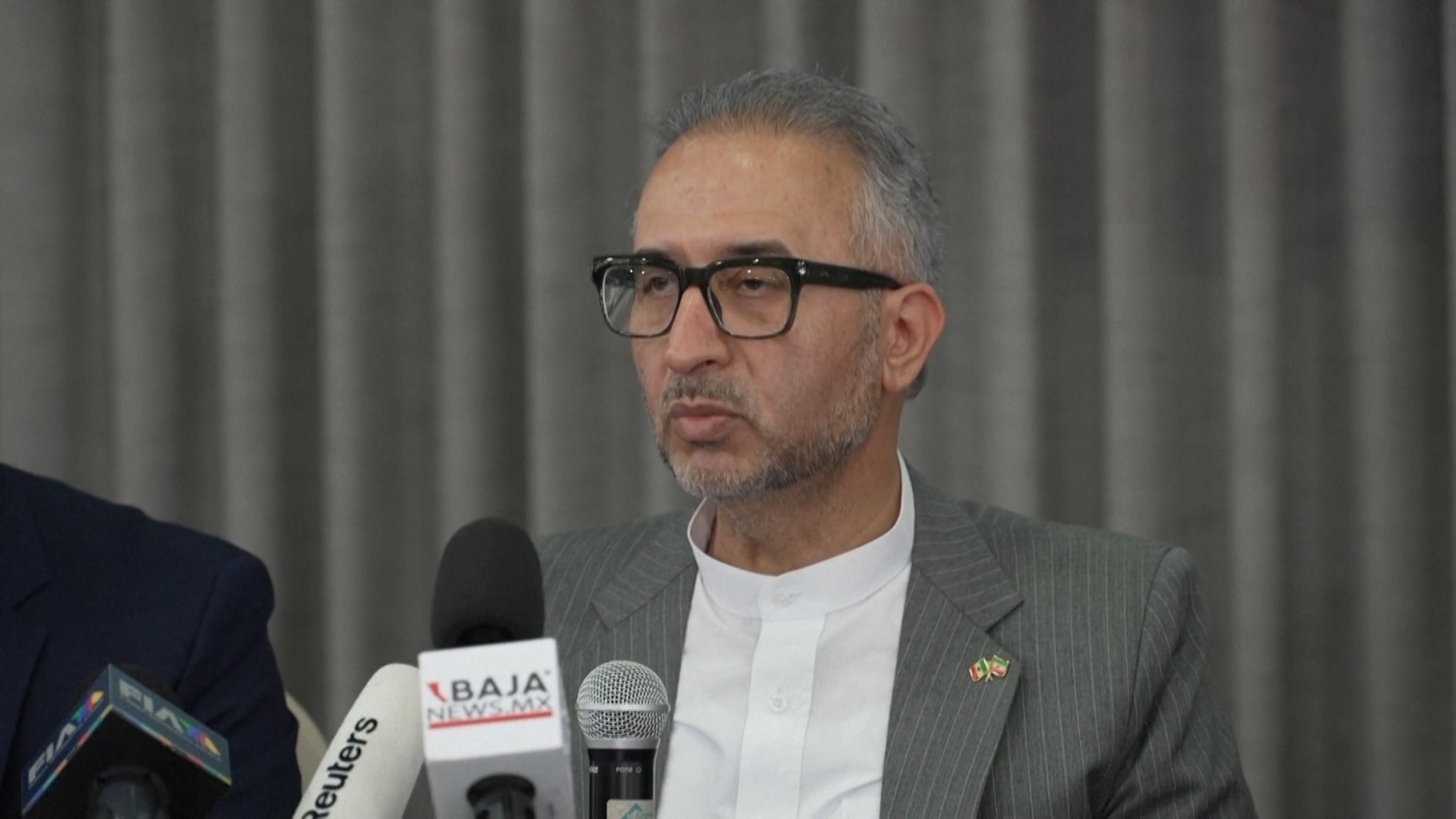
Abolfazl Pasandideh, Iran's ambassador to Mexico, conveyed his country's strong disapproval of the situation. He highlighted that approximately 15 individuals designated for Iran's 2026 World Cup delegation have allegedly been refused entry visas by the U.S. authorities. This development has prompted a direct appeal from the Iranian diplomat to FIFA, the international governing body of football, to address the matter. The ambassador's call underscores the importance of ensuring that all participating nations can fully and effectively take part in the tournament without facing undue obstacles.
"We express our concern over the reported denial of U.S. visas to 15 members of Iran’s 2026 World Cup delegation and call on FIFA to help ensure the team’s full participation in the tournament."
The incident raises questions about the interplay between international sports and geopolitical relations. Sporting events like the World Cup are often seen as platforms for fostering global unity and fair competition, transcending political differences. However, the current situation suggests that such aspirations can be challenged by existing diplomatic complexities between nations.
Implications for Tournament Participation
The denial of visas for key delegation members could have significant implications for Iran's preparation and presence at the 2026 World Cup. A delegation typically includes not only players and coaches but also essential support staff, medical personnel, and administrative officials whose roles are crucial for the team's performance and logistical needs. Hindering the entry of these individuals could disrupt the team's ability to operate effectively and fairly compete on the international stage.
FIFA's statutes and principles often emphasize the importance of political neutrality and ensuring all qualified teams have an equal opportunity to participate. The organization may now face pressure to mediate between the involved parties to uphold these principles and facilitate a resolution that allows Iran's full delegation to attend the tournament. The situation will likely be closely monitored by the international sports community and diplomatic observers alike, as it could set precedents for future sporting events hosted in politically sensitive environments.
Source: Al Jazeera
Related Articles
 sport
sport
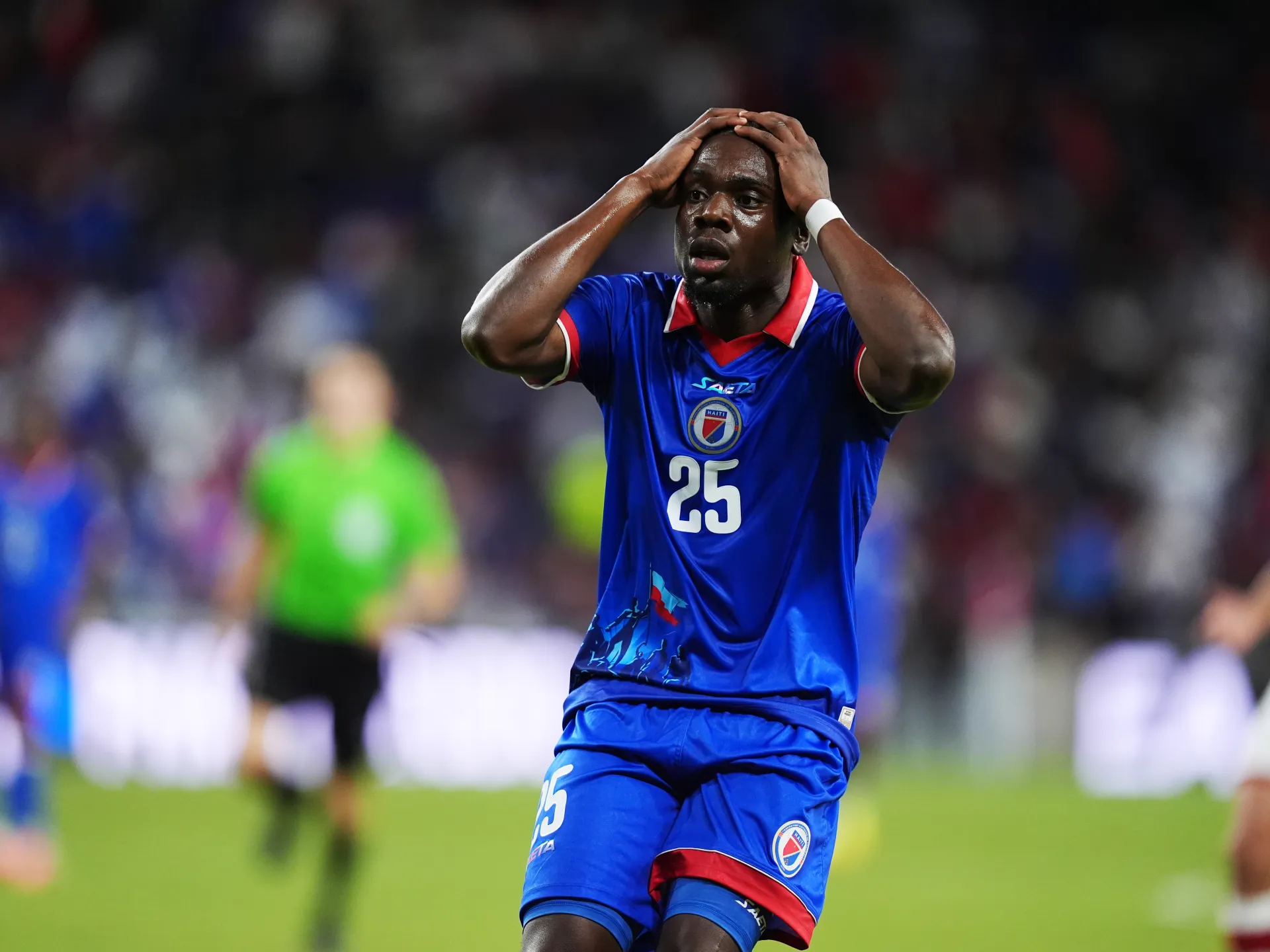
Haiti's World Cup Kit Altered Following FIFA Review of Historical Imagery
 sport
sport
FIFA World Cup 2026: Comprehensive Guide to Teams, Schedule, and Host Cities
 sport
sport
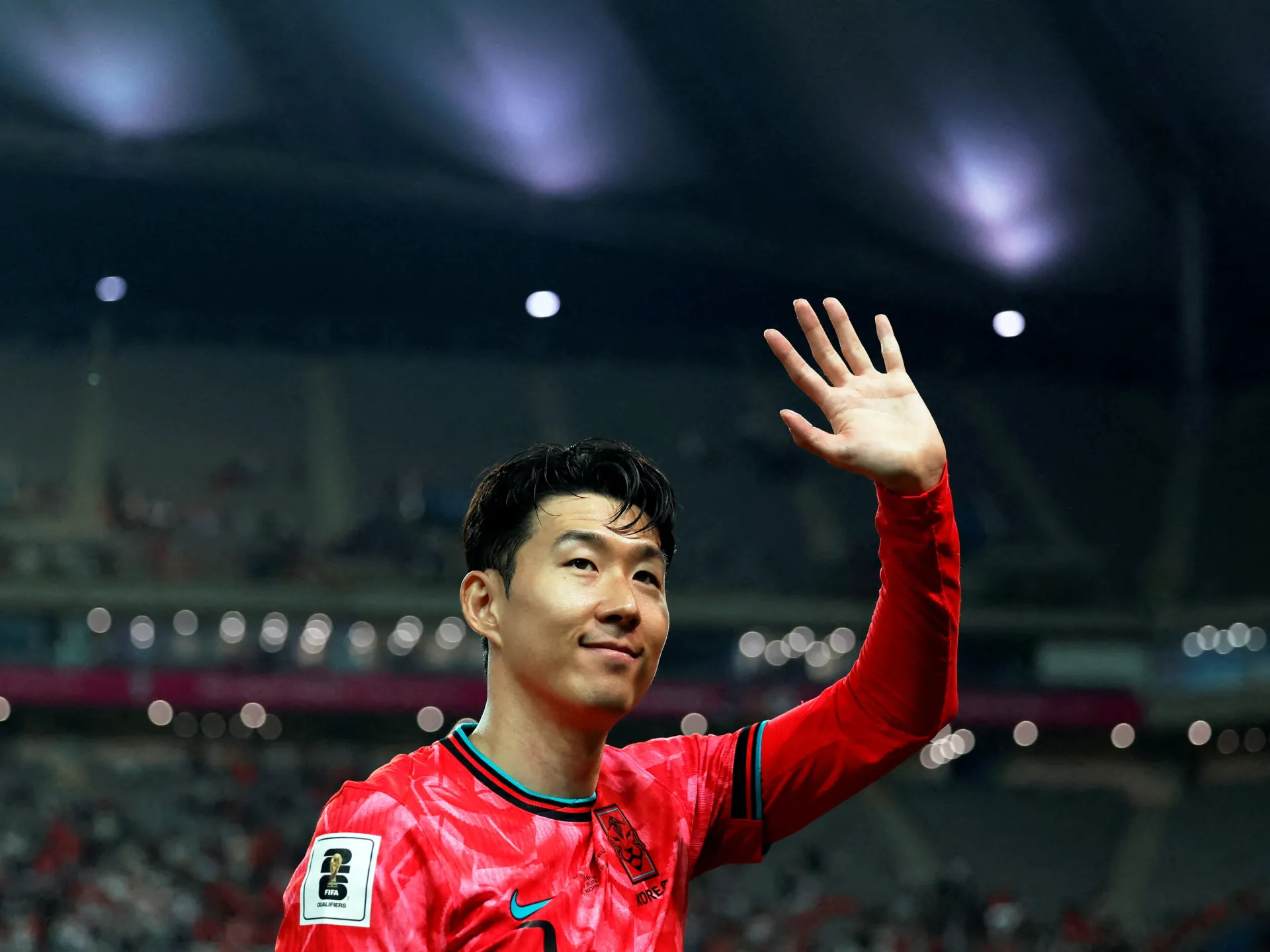
World Cup 2026: South Korea Set to Clash with Czechia in Group A Opener
 sport
sport