
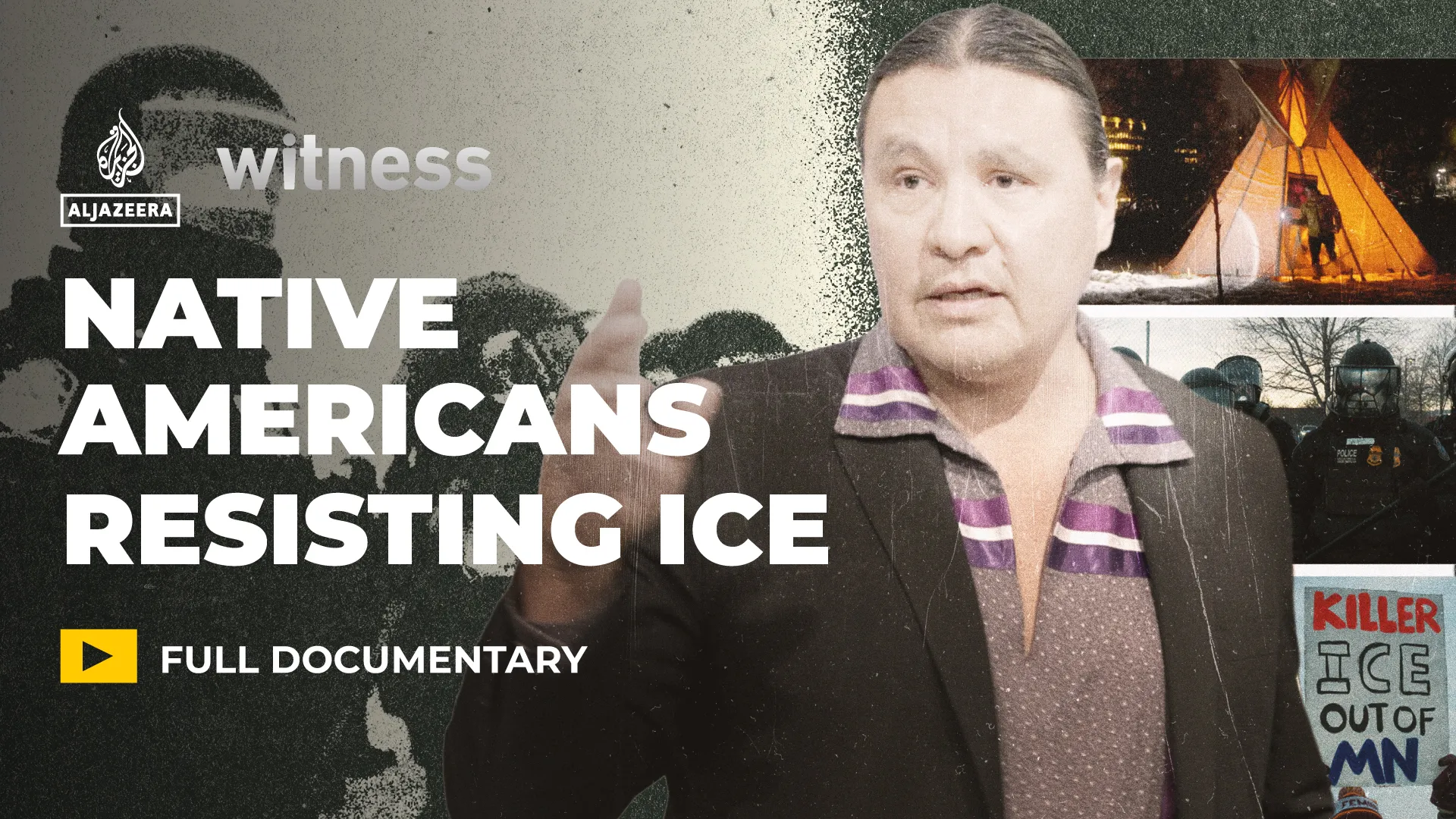
Context of Federal Enforcement in Minneapolis
In the Minneapolis-Saint Paul metropolitan area, federal immigration enforcement operations, specifically 'Operation Metro Surge,' have involved the deployment of approximately 3,000 agents. These operations have led to increased scrutiny and action by Immigration and Customs Enforcement (ICE) within the community. The presence and activities of ICE have prompted various responses from local residents, particularly within indigenous communities.
The impact of these operations became a focal point following a specific incident involving Renee Good. This event catalyzed a series of protests and legal actions, drawing attention to the broader implications of federal enforcement on local populations. The response from indigenous communities is rooted in a long history of interactions with governmental authorities, shaping their approach to contemporary challenges.
Legal and Community Resistance Efforts
Chase Iron Eyes, a lawyer and resident of the Pine Ridge reservation, has emerged as a prominent figure in the community's response to ICE operations. His involvement intensified after the incident concerning Renee Good, leading him to participate in street protests in Minneapolis. Iron Eyes's work is informed by a generational legacy of Native American resistance, which provides a framework for understanding and addressing current issues of justice and sovereignty.
As ICE activities began to specifically target Native Americans in Minnesota, Iron Eyes shifted his focus from street-level activism to legal strategies. Collaborating with other human rights lawyers, he initiated legal challenges against ICE and the Department of Homeland Security. These efforts include pursuing class-action lawsuits, aiming to address the systemic impact of federal enforcement on indigenous populations through the judicial system.
Historical Perspective on Indigenous Resistance
The resistance demonstrated by Native American communities against contemporary federal actions is not an isolated phenomenon but rather an continuation of historical struggles. Indigenous peoples in the United States have a long and documented history of defending their rights, lands, and sovereignty against various forms of governmental encroachment. This historical context informs the current strategies and motivations of activists and legal professionals like Chase Iron Eyes.
Generational resistance refers to the transmission of knowledge, strategies, and resilience across generations within indigenous communities. This includes an understanding of treaty rights, tribal sovereignty, and the historical injustices faced. This deep-rooted perspective often frames how current issues, such as immigration enforcement, are perceived and responded to by Native American individuals and groups.
Implications for Human Rights and Civil Liberties
The legal challenges mounted by Iron Eyes and his colleagues highlight concerns regarding human rights and civil liberties in the context of immigration enforcement. The targeting of specific communities, including Native Americans, by federal agents raises questions about due process, equal protection under the law, and the potential for disproportionate impact on marginalized groups.
Class-action lawsuits are a legal mechanism that allows a large group of people with common grievances to sue as a single entity. In this context, such lawsuits aim to address widespread issues resulting from ICE operations, potentially seeking remedies for multiple individuals who may have been affected. These legal battles often seek to establish precedents that could influence future enforcement policies and practices.
The Role of Documentation and Advocacy
The events in Minneapolis and the efforts of individuals like Chase Iron Eyes have also drawn attention from documentary filmmakers and journalists. The documentary film 'Native Americans Resisting ICE,' created by Joi Lee and Ed Ou, serves to document and disseminate the experiences and perspectives of those directly affected by these operations. Such media plays a crucial role in raising public awareness and informing broader discussions about immigration policy, indigenous rights, and federal overreach.
Advocacy, both through legal channels and public engagement, remains a key component of the response to federal enforcement actions. By bringing these issues into courtrooms and public discourse, communities aim to ensure accountability and advocate for policies that respect the rights and sovereignty of all individuals, particularly those from historically marginalized groups.
Source: Original Article
Related Articles
 news
news
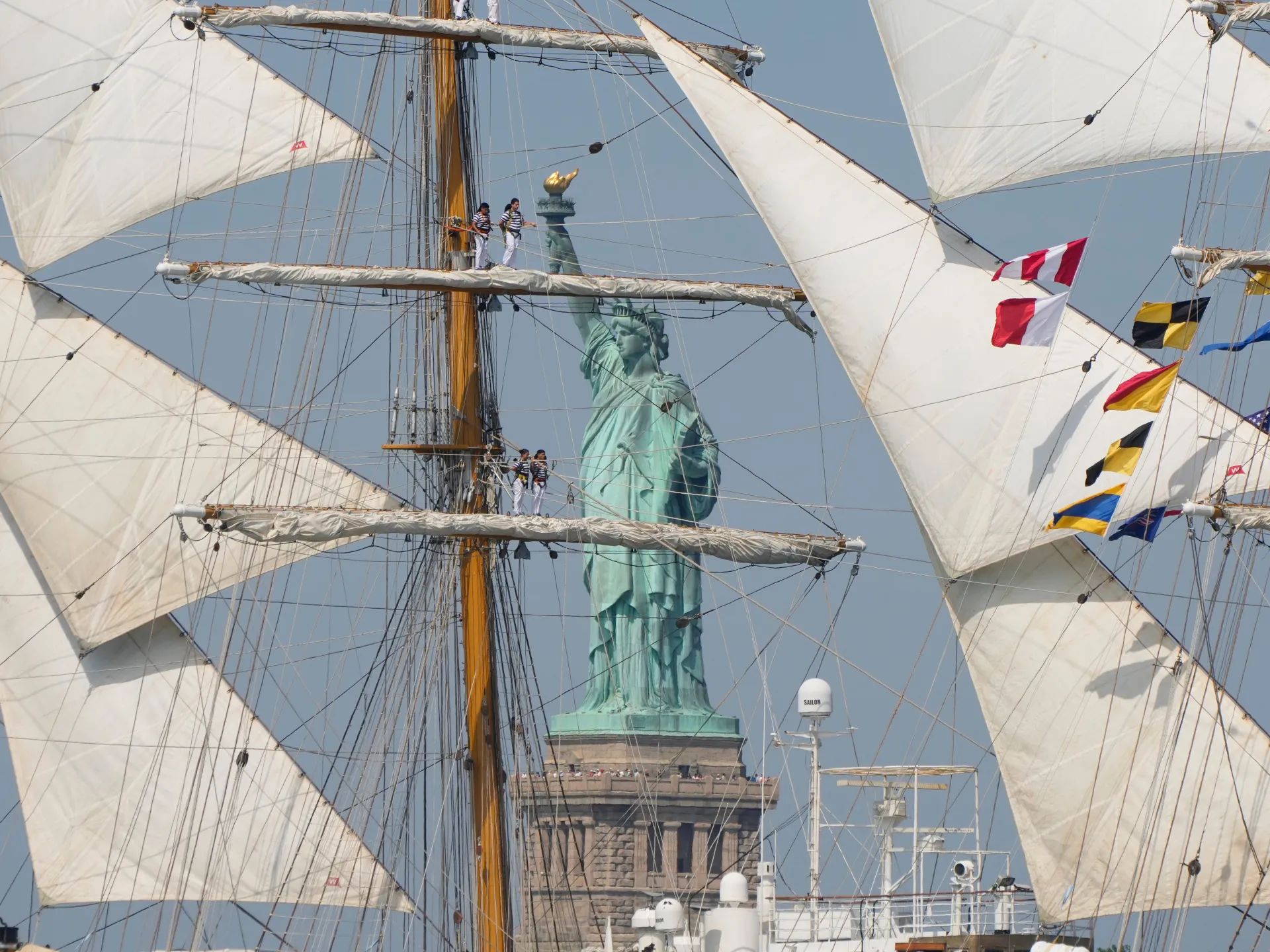
United States Marks 250th Anniversary Amidst Political Tensions
 news
news
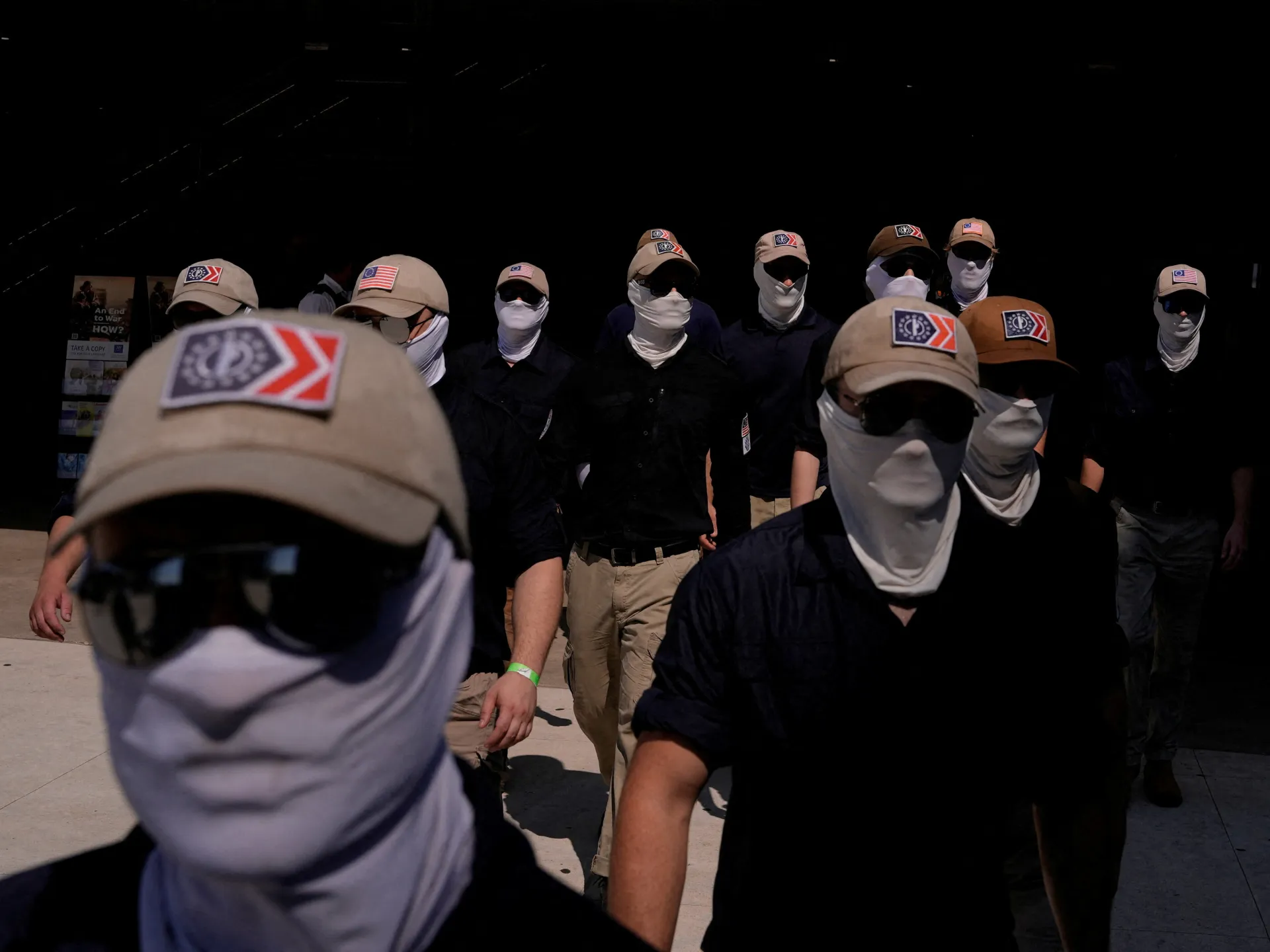
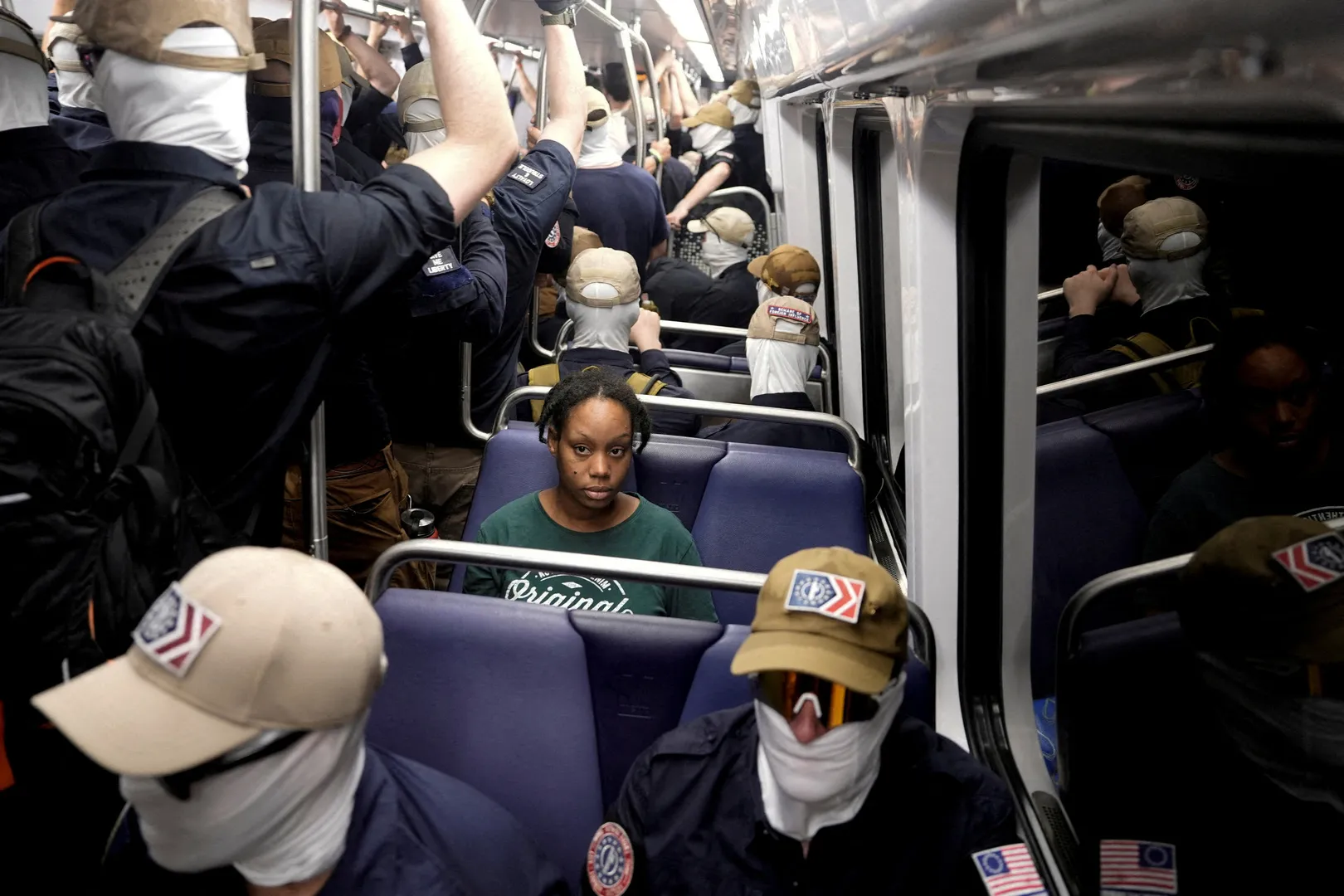
White Nationalist Demonstration Coincides with US Independence Day Celebrations Near Capital
 news
news
White Nationalist Demonstration Held in Washington D.C. Prior to National Anniversary
 news
news