Overview of Recent Educational Challenges in India
The Central Board of Secondary Education (CBSE), India's prominent school board, has recently encountered significant challenges that have drawn widespread attention and criticism. These issues primarily revolve around alleged irregularities within the examination system, which have ignited considerable debate among students, parents, and political figures.
Allegations and Public Reaction
Reports of inconsistencies and potential compromises in the examination process have fueled public discontent. These concerns have manifested in various forms, including student protests and calls for a thorough investigation into the CBSE's operational procedures. The integrity of high-stakes examinations is paramount for students' academic and professional futures, making any perceived lapse a matter of serious public concern.
Calls for Accountability
In response to the escalating situation, there have been vocal demands for accountability from various quarters. These calls have specifically targeted the leadership within the education ministry, with some advocating for the resignation of the incumbent minister. Critics argue that the ministry, as the overseeing body, bears responsibility for ensuring the robustness and fairness of the national examination system.
Impact on Student Morale and Trust
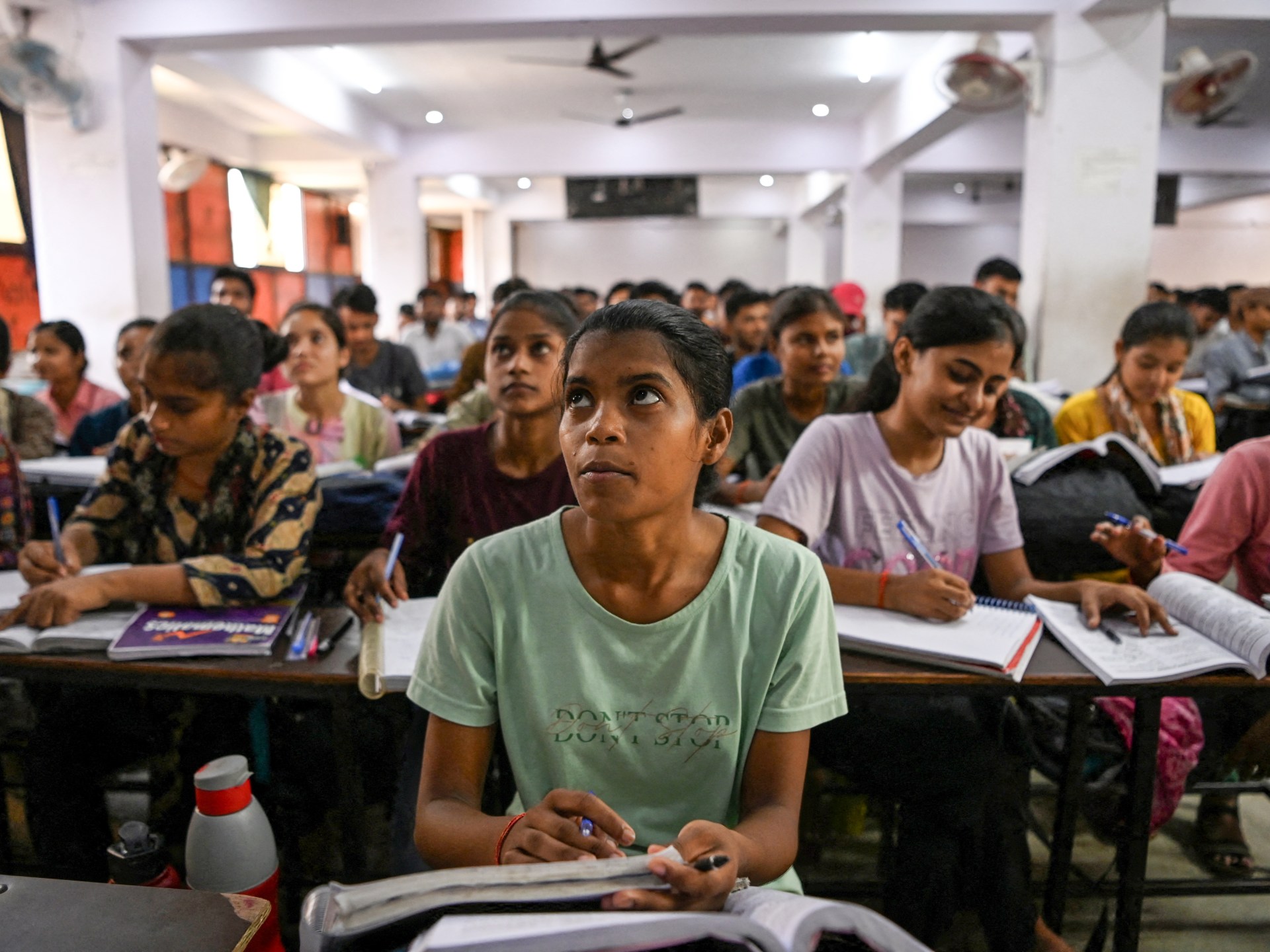
The controversies have reportedly had a detrimental impact on student morale. Many students invest years of effort in preparing for these crucial exams, and any doubt cast on the fairness of the assessment process can lead to feelings of frustration and disillusionment. Furthermore, such incidents can erode public trust in the institutions responsible for upholding educational standards.
Government's Response and Future Steps
The government's response to these allegations has become a focal point of public discourse. Stakeholders are keenly observing what measures will be implemented to address the immediate concerns and to prevent similar incidents from recurring. The situation underscores the need for continuous vigilance and reform within large-scale educational systems to maintain their credibility.
Addressing the root causes of these alleged irregularities, whether they stem from administrative oversights, security vulnerabilities, or other factors, will be crucial for restoring confidence in the CBSE and the broader Indian education framework. The outcome of these discussions and any subsequent actions will likely shape public perception of educational governance in the country for the foreseeable future.
Source: Original Article