
The Unifying Power of the World Cup
The FIFA World Cup, a quadrennial international football tournament, consistently demonstrates its profound ability to transcend geographical and cultural barriers, bringing together people from every corner of the globe. From bustling urban centers to quiet rural communities, the tournament transforms ordinary settings into vibrant arenas of shared emotion, where millions collectively experience the highs and lows of the beautiful game. This global spectacle highlights not only the intense rivalries inherent in competitive sport but also the remarkable unity and collective spirit it fosters among diverse populations.
Diverse Viewing Experiences Across Continents
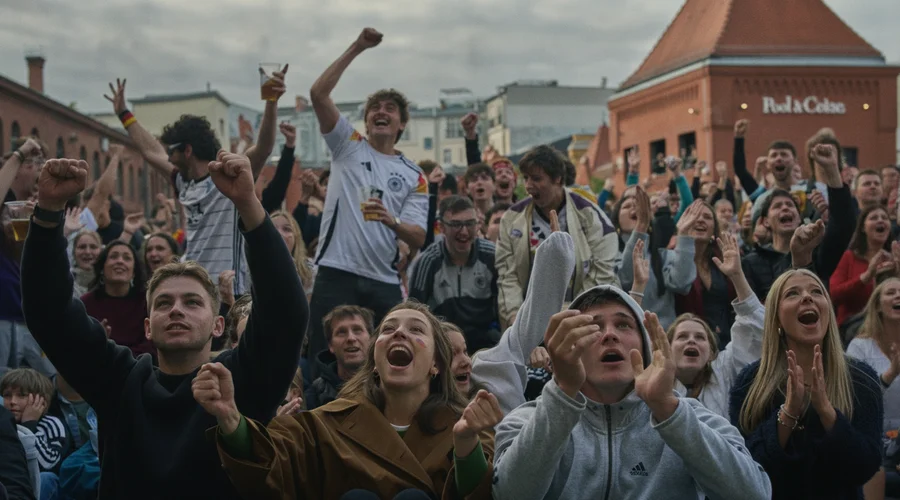
The manner in which fans engage with the World Cup is as varied as the global population itself. In metropolitan hubs like Berlin, Germany, supporters clad in team jerseys and sporting painted faces gather in large public spaces, such as the Kulturbrauerei courtyard, to watch matches on giant screens. These gatherings become impromptu festivals, pulsating with the energy of thousands of co-celebrants. Similarly, in Istanbul, Türkiye, fans convene at historical landmarks like the Yedikule fortress, where immense screens project the live action, turning ancient backdrops into modern-day coliseums of sport.
Across the Atlantic, the enthusiasm is equally palpable. In New York City's Central Park, Brazilian fans sing passionately during public watch parties, their voices echoing through the urban oasis. On the West Coast, in California, Mexican and Qatari supporters celebrate goals and victories with an infectious fervor, whether at the Los Angeles Memorial Coliseum or near San Francisco. The tournament's reach extends even to unexpected locales, with Saudi Arabian fans cheering loudly in pedestrian zones in Vancouver, British Columbia, and Swedish supporters celebrating in Guadalupe, Mexico, near Monterrey.
From Public Squares to Private Living Rooms
The communal experience of watching the World Cup is a significant aspect of its appeal. City squares, stadium plazas, cafes, and specially designated fan zones become temporary melting pots where strangers bond over shared allegiance to a team. In Seoul, South Korea, public viewing venues fill with enthusiastic crowds, while in Mindelo, Cape Verde, fans gather at viewing centers, their cheers punctuating the tropical air. Even in challenging circumstances, the spirit of the World Cup shines through; in Port-au-Prince, Haiti, fans watch their team's matches from rooftops and even trees, demonstrating an unwavering dedication.
Beyond these large-scale public gatherings, the World Cup also permeates the intimate spaces of everyday life. Many fans choose to watch quietly at home, transforming their living rooms into personal stadiums shared with family and friends. In Vereeniging, South Africa, a family gathers to watch the opening match, creating a microcosm of the global event within their own home. Similarly, in Cairo, Egypt, families and friends watch the tournament opener, turning a simple viewing into a memorable occasion. These personal moments, though less visible, are just as integral to the tournament's widespread impact.
Bridging Time Zones and Cultures
The global nature of the World Cup often requires fans to adjust their schedules significantly. Many stay up late into the night or wake before dawn to catch matches broadcast across various time zones. This dedication is evident in places like Aden, Yemen, where fans gather at coffee shops early in the day to watch opening matches. In Tehran, Iran, spectators congregate at venues like the Tehran Book Garden to follow their national team's journey. Even in Washington, D.C., fans assemble on the National Mall to witness the tournament's commencement, demonstrating how the event transcends typical daily routines.
The tournament provides brief but powerful moments of escape, celebration, and hope. In Sarajevo, Bosnia and Herzegovina, fans at a festival erupt in cheers for their team's opening goal, while in Sao Paulo, Brazil, residents of a housing occupation celebrate a Brazilian goal with unbridled joy. These instances underscore the World Cup's capacity to unite strangers, amplify local rivalries, and offer collective moments of exhilaration. Whether through a shared cheer in a packed fan zone or a quiet gasp in a living room, the World Cup weaves itself into the fabric of daily life, creating a tapestry of global connection and shared human experience.
Source: Original Article
Related Articles
 sport
sport
England Set to Kick Off World Cup 2026 Campaign Against Croatia in Dallas Showdown
 sport
sport
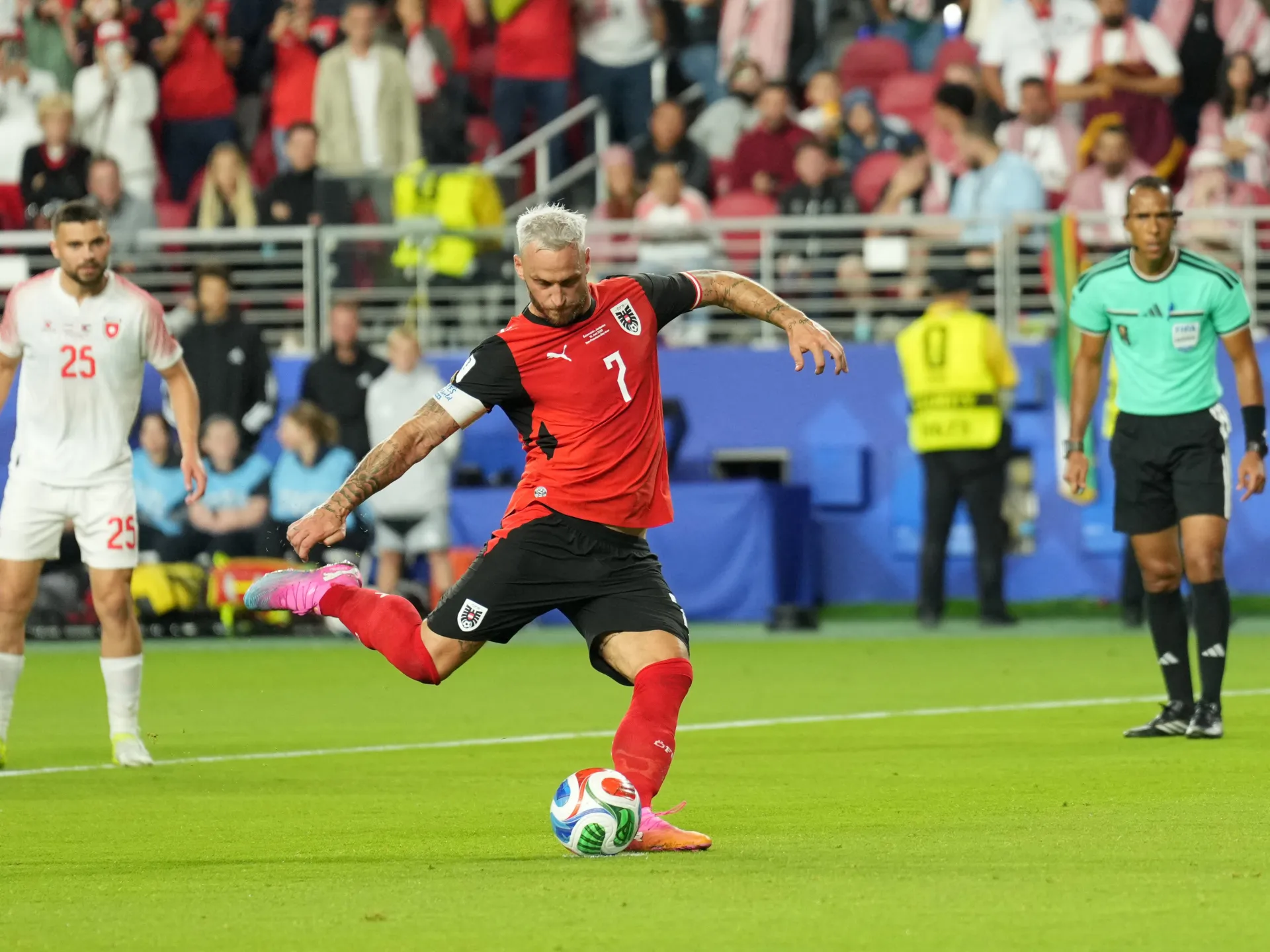
Austria Secures Tense Victory Over Jordan in World Cup Opener
 sport
sport
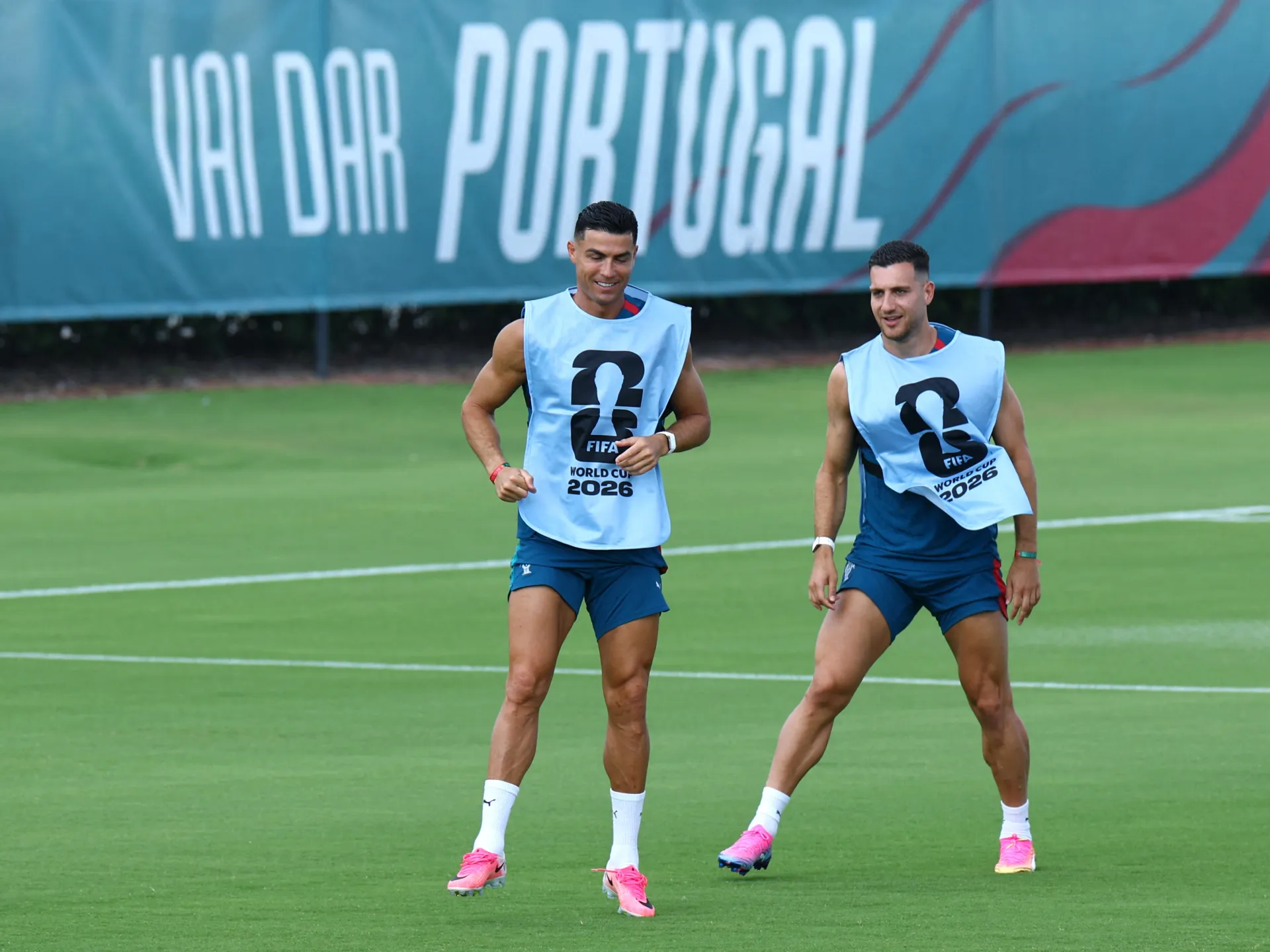
World Cup 2026: Anticipated Matches, Record Chases, and Global Viewing Challenges
 sport
sport