
The Significance of Hajj
The annual Hajj pilgrimage to Mecca, Saudi Arabia, represents a cornerstone of the Islamic faith, drawing millions of Muslims from across the globe. This sacred journey is one of the Five Pillars of Islam, a set of religious duties that are obligatory for all able-bodied Muslims who can afford the trip. The pilgrimage is a profound spiritual experience, symbolizing unity, devotion, and submission to God.
The Ritual of Tawaf
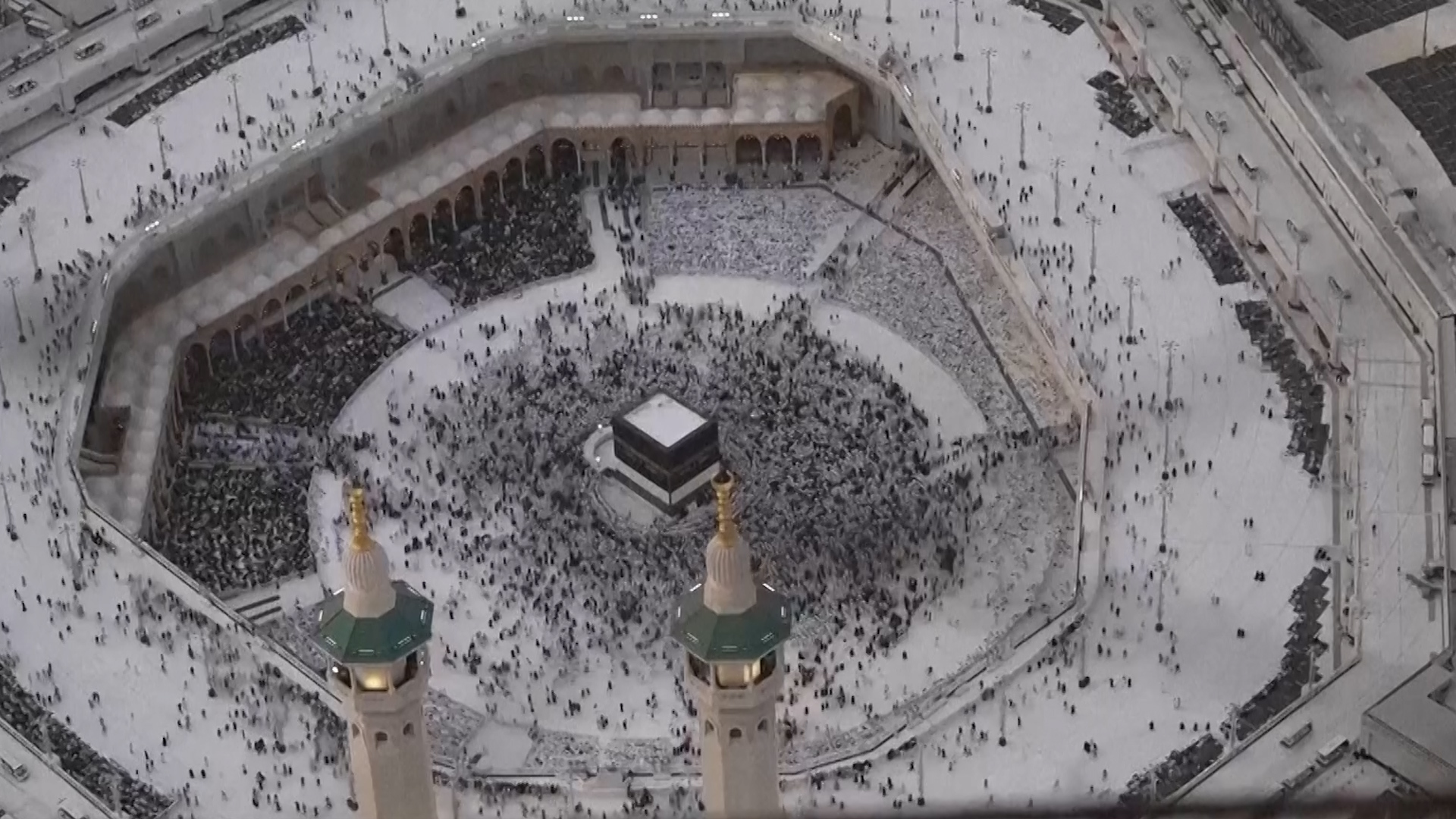
A central ritual of the Hajj is the Tawaf, which involves pilgrims circumambulating the Kaaba seven times in a counter-clockwise direction. The Kaaba, a cube-shaped building located within the Grand Mosque in Mecca, is considered the most sacred site in Islam. This act of circumambulation is a powerful demonstration of faith, reflecting the cosmic orbit and the continuous devotion of believers around a central point of worship. The sheer scale of pilgrims performing Tawaf simultaneously creates a mesmerizing and deeply moving spectacle, often captured in time-lapse photography to illustrate the immense human flow.
A Global Gathering
The Hajj is more than just a series of rituals; it is a unique global gathering that transcends national, ethnic, and social boundaries. Pilgrims, dressed in simple white garments known as 'ihram,' shed worldly distinctions, emphasizing equality and brotherhood among all Muslims. This shared experience fosters a deep sense of community and solidarity, as individuals from diverse backgrounds unite in their common purpose of seeking spiritual purification and closeness to God.
Historical and Spiritual Roots
The origins of the Hajj trace back to the time of Prophet Ibrahim (Abraham) and his son Ismail (Ishmael), who are believed to have built the Kaaba. The pilgrimage also commemorates events in the life of Prophet Muhammad. For Muslims, performing Hajj is seen as a profound act of worship that can lead to the forgiveness of sins and a renewed spiritual outlook. Many pilgrims save for years, even decades, to undertake this journey, viewing it as a once-in-a-lifetime opportunity and a pinnacle of their spiritual life.
Logistical Challenges and Preparations
Organizing an event that hosts millions of people in a relatively confined area presents immense logistical and infrastructural challenges. The Saudi Arabian authorities invest significant resources annually to ensure the safety, well-being, and smooth movement of pilgrims. This includes managing accommodation, transportation, health services, and crowd control. Despite these efforts, the sheer volume of participants means that pilgrims must often endure demanding conditions, reinforcing the spiritual discipline inherent in the Hajj.
The Hajj is a journey of a lifetime, not just physically, but spiritually. It's an opportunity for profound introspection and connection with the divine, shared with millions of brothers and sisters in faith.
As pilgrims continue to arrive in Mecca, the atmosphere is charged with anticipation and devotion. The culmination of their journey will see them engage in a series of sacred rites, all aimed at fulfilling this fundamental religious obligation and drawing closer to their faith.
Source: Al Jazeera
Related Articles
 world
world
China Provides Rice Aid to Cuba Amidst Humanitarian Challenges
 world
world
Iran and US Negotiations: Agreement Not Imminent Despite Reported Progress
 world
world
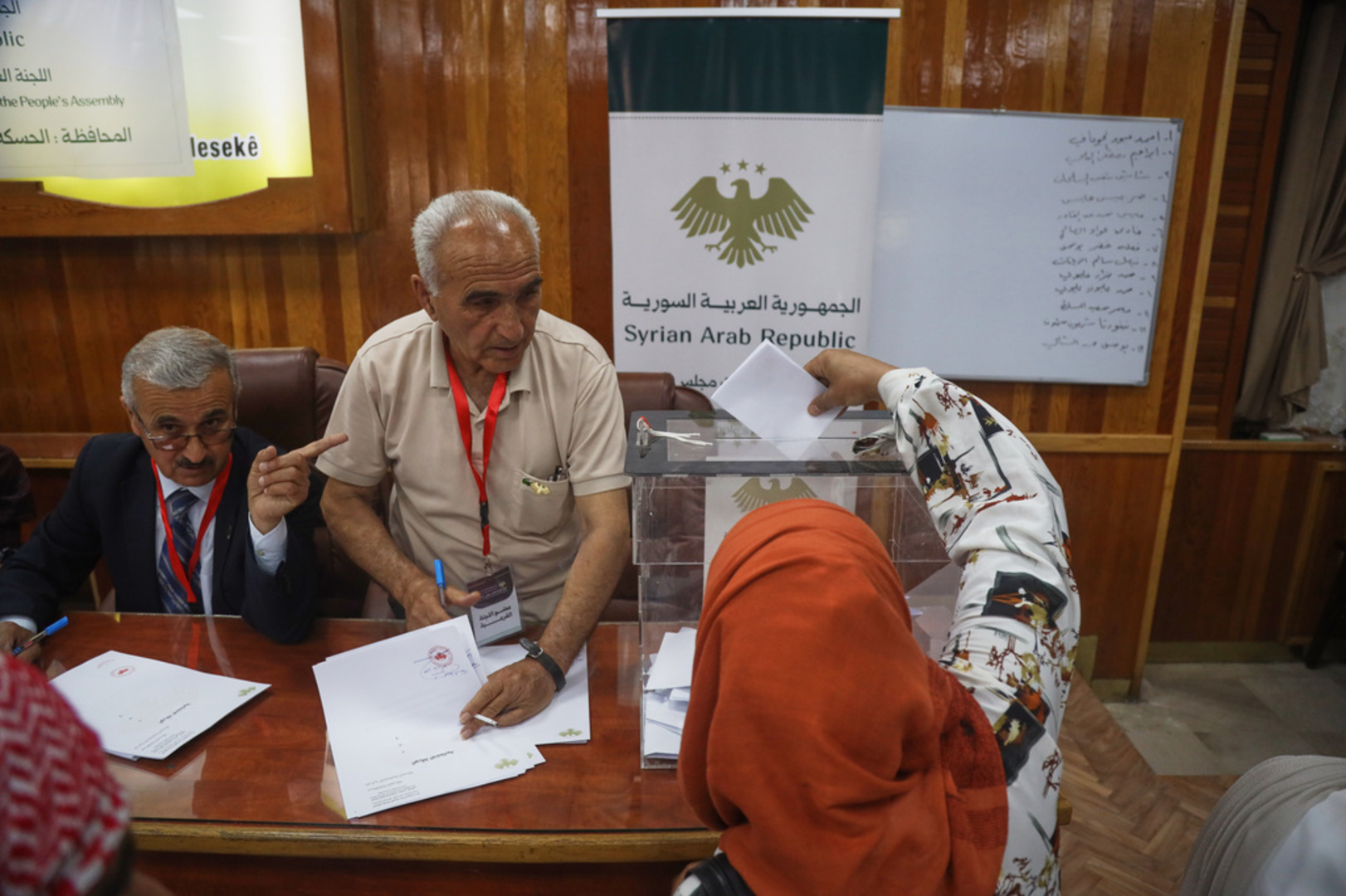
Syrian Legislative Elections Extend to Formerly Kurdish-Held Regions
 world
world