Shifting Sands of Global Influence
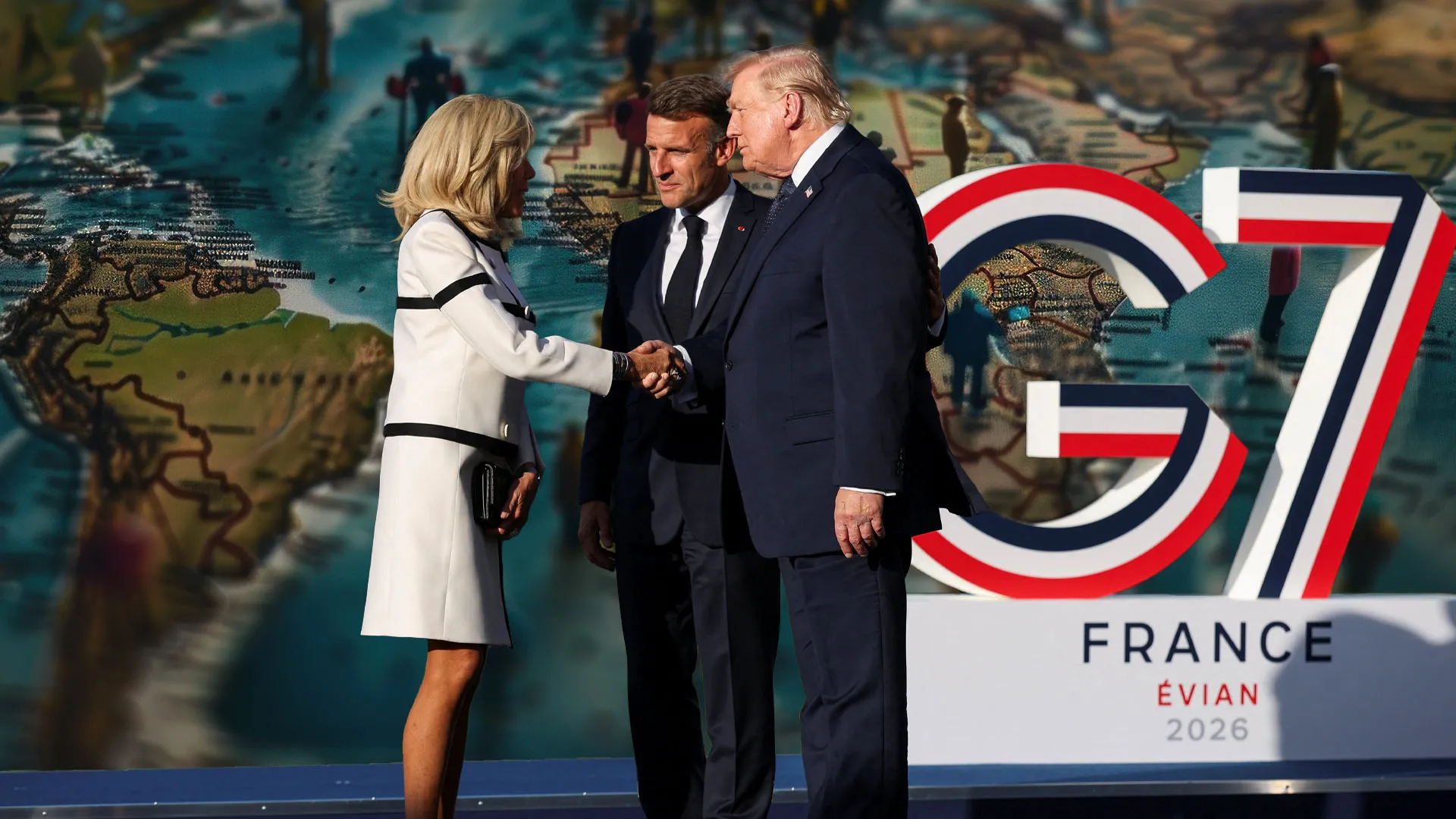
For decades, a select group of affluent Western democracies, collectively known as the Group of Seven (G7), largely dictated the norms and regulations of the international economic landscape. Their decisions held considerable sway over global finance, trade, and development. However, the dawn of the 21st century has brought about a palpable transformation in this established order. The global stage is becoming increasingly multifaceted, with new actors and alliances emerging to assert their presence and advocate for their interests.
While the G7 undoubtedly retains substantial influence as one of the world's most prominent economic forums, its once near-uncontested authority is now facing significant challenges. A primary contender in this evolving scenario is the BRICS bloc. Initially comprising Brazil, Russia, India, China, and South Africa, this group has recently undergone an expansion, broadening its membership and, consequently, its collective voice. The stated objective of BRICS is to champion greater representation and influence for the nations of the Global South, a term that encompasses developing and emerging economies primarily located in Africa, Latin America, and parts of Asia.
BRICS: A Growing Force
The expansion of BRICS is not merely a symbolic gesture; it represents a substantial aggregation of demographic and economic power. The member nations of BRICS collectively account for nearly half of the world's total population. This demographic weight translates into significant human capital and consumer markets. Furthermore, the bloc contributes an increasingly larger share to global economic output, demonstrating its growing importance in international commerce and production. Its members are also critical players in the supply of global energy resources and various essential raw materials, giving them considerable leverage in international markets.
The emergence of BRICS as a formidable economic and political entity reflects a broader desire among non-Western nations to have a more equitable say in global governance. These countries often argue that the existing international institutions and economic frameworks, largely designed and implemented by Western powers, do not adequately address their specific needs and developmental priorities. By coalescing into a unified bloc, BRICS aims to present a stronger, more coherent front in international negotiations and to push for reforms that better reflect the diversity of the global economy.
The Rise of Middle Powers
Adding another layer of complexity to this evolving global dynamic is the ascendance of what are often referred to as 'middle powers.' These nations, while perhaps not possessing the same economic or military might as the G7 or the largest BRICS members, are nonetheless too significant to be overlooked. They are characterized by their growing economic capacities, strategic geographical locations, and often, their active roles in regional and international diplomacy. Crucially, many of these middle powers exhibit a reluctance to align themselves exclusively with either the traditional Western-led G7 bloc or the emerging BRICS alliance.
Instead, these nations often pursue independent foreign policies, seeking to maximize their national interests by engaging with various partners on a case-by-case basis. They might collaborate with G7 members on certain issues, while simultaneously forging partnerships with BRICS nations on others. This strategic flexibility allows them to navigate the increasingly complex geopolitical landscape without being constrained by rigid allegiances. Their presence further fragments the traditional bipolar or unipolar models of global power, creating a more multipolar world where influence is distributed among a greater number of actors.
Implications for the Global Order
The competition for influence between the G7 and BRICS, coupled with the growing assertiveness of middle powers, signals a profound reordering of the global economic and political system. This shift has several significant implications. Firstly, it suggests that the future of global governance will likely be more consultative and less dominated by a single group of nations. Decisions on critical global issues, from climate change to trade regulations, will increasingly require broader consensus among a more diverse set of stakeholders.
Secondly, it highlights a potential redistribution of economic power and wealth. As emerging economies continue to grow and develop, their collective weight in the global economy will only increase, potentially leading to a more balanced distribution of economic opportunities and challenges. Lastly, this evolving landscape presents both opportunities and challenges for international cooperation. While greater diversity of voices can lead to more inclusive and representative solutions, it can also complicate decision-making processes and potentially lead to increased competition and friction among different blocs and nations.
Ultimately, the current global order is in a state of flux, moving away from a traditional hierarchy towards a more networked and distributed model of influence. The G7's traditional role is being re-evaluated in light of these changes, as the world grapples with the implications of a truly multi-polar economic and political environment.
Source: Al Jazeera
Related Articles
 economy
Global Markets React Positively to US-Iran Peace Framework, Oil Prices Decline
 economy
US Fuel Prices Not Expected to Decline Significantly Until 2027, Analysts Suggest
 economy
Global Oil Prices Decline Amid Hopes for Strait of Hormuz Reopening and Peace Deal
 economy