DFB Seeks Focus on Sport Ahead of 2026 Tournament
The German Football Association (DFB) has reportedly communicated to its national team players a preference for them to avoid making political statements or engaging in similar gestures during the 2026 FIFA World Cup. This guidance comes as the association seeks to ensure that the team's participation in the global tournament is primarily centered on athletic performance and competition.
Background to the Recommendation
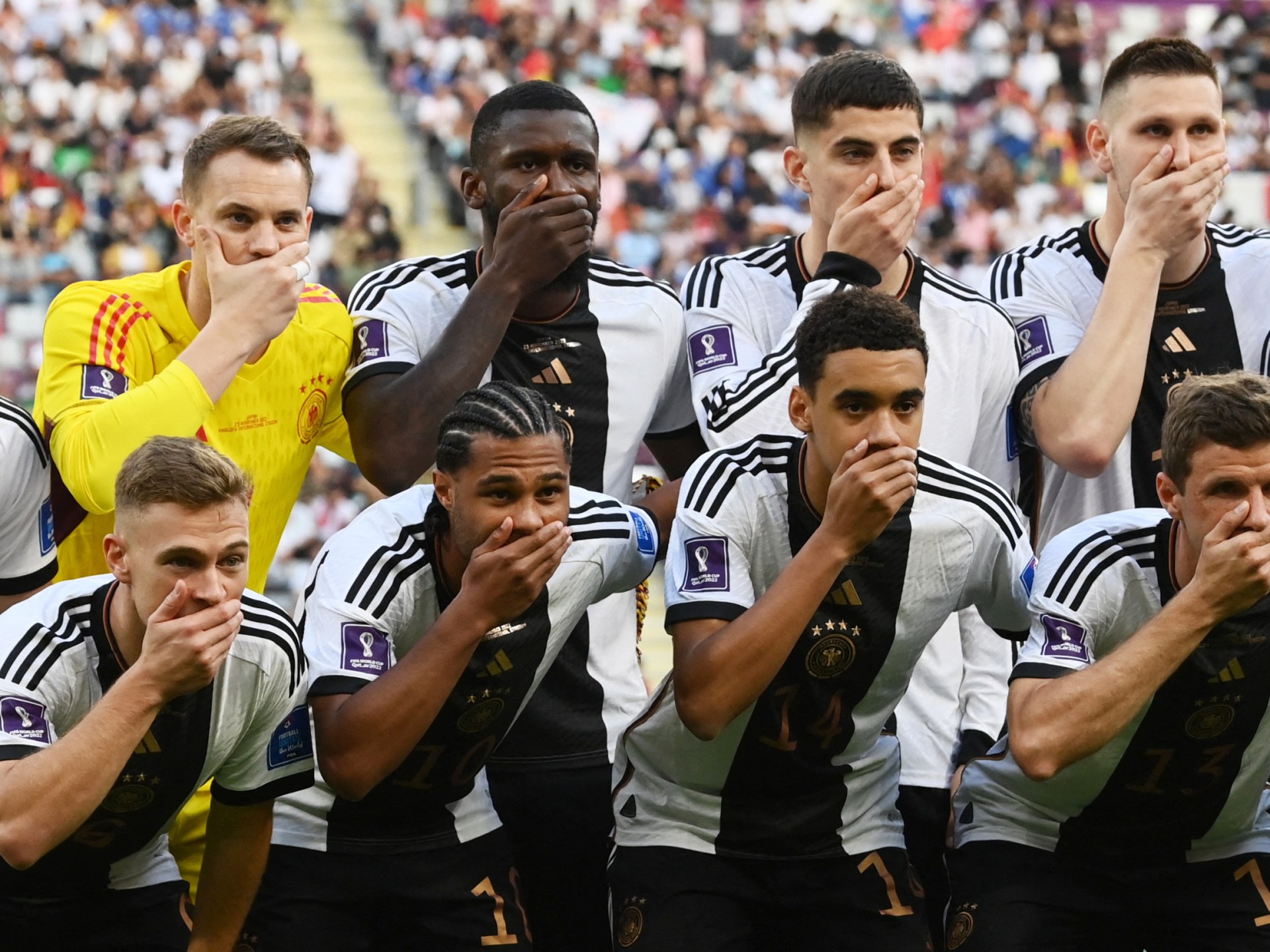
This advisory follows previous instances where German national team members utilized international platforms to express their views on various social and political issues. One notable example occurred during the 2022 World Cup in Qatar, where the team collectively covered their mouths in a pre-match photograph. This gesture was widely interpreted as a protest against FIFA's decision to prohibit the 'OneLove' armband, which was intended to promote diversity and inclusion, and against human rights concerns in the host nation.
While the DFB has historically supported its players' rights to free expression, the current stance appears to reflect a desire to mitigate potential distractions and controversies that could overshadow the team's sporting objectives. The association's leadership is reportedly keen on ensuring that the players' energy and public attention remain focused on their performance on the field, rather than on off-field political discourse.
Balancing Expression and Sporting Focus
The question of athletes using their platforms for political or social advocacy is a recurring one in international sports. Supporters argue that athletes, like all public figures, have a right and sometimes a responsibility to speak out on issues they believe in, especially given their significant reach and influence. They contend that major sporting events offer unparalleled visibility for such messages.
Conversely, those who advocate for a 'sport-only' approach often argue that political statements can detract from the spirit of competition, alienate segments of the audience, and potentially create diplomatic complications for national sporting bodies and governments. There is also the argument that a focus on sport allows for a universal shared experience, transcending political divides.
The DFB's position reflects a complex balancing act between supporting individual expression and maintaining a unified, performance-oriented team image on a global stage. The intention seems to be to ensure that the team's presence at the World Cup is defined by footballing excellence.
The 2026 FIFA World Cup, set to be co-hosted by the United States, Canada, and Mexico, will be a significant event. The DFB's guidance to its players suggests an effort to navigate the event with a clear focus on football, attempting to avoid a repeat of the discussions and debates that accompanied their actions in Qatar.
Ultimately, the effectiveness of this advice will depend on how players interpret and adhere to it, and how the international sporting community responds to any actions, or inactions, from the German squad. The conversation around sports and politics remains a dynamic and evolving aspect of modern international competitions.
Source: Germany’s Voeller urges players to avoid political statements at World Cup
Related Articles
 sport
sport
Vaibhav Sooryavanshi's IPL Playoff Performance Draws Widespread Acclaim
 sport
sport
DR Congo Assures Compliance with US Ebola Protocols for World Cup Delegation
 sport
sport
South Africa Unveils Provisional Squad for 2026 World Cup Qualifiers
 sport
sport