
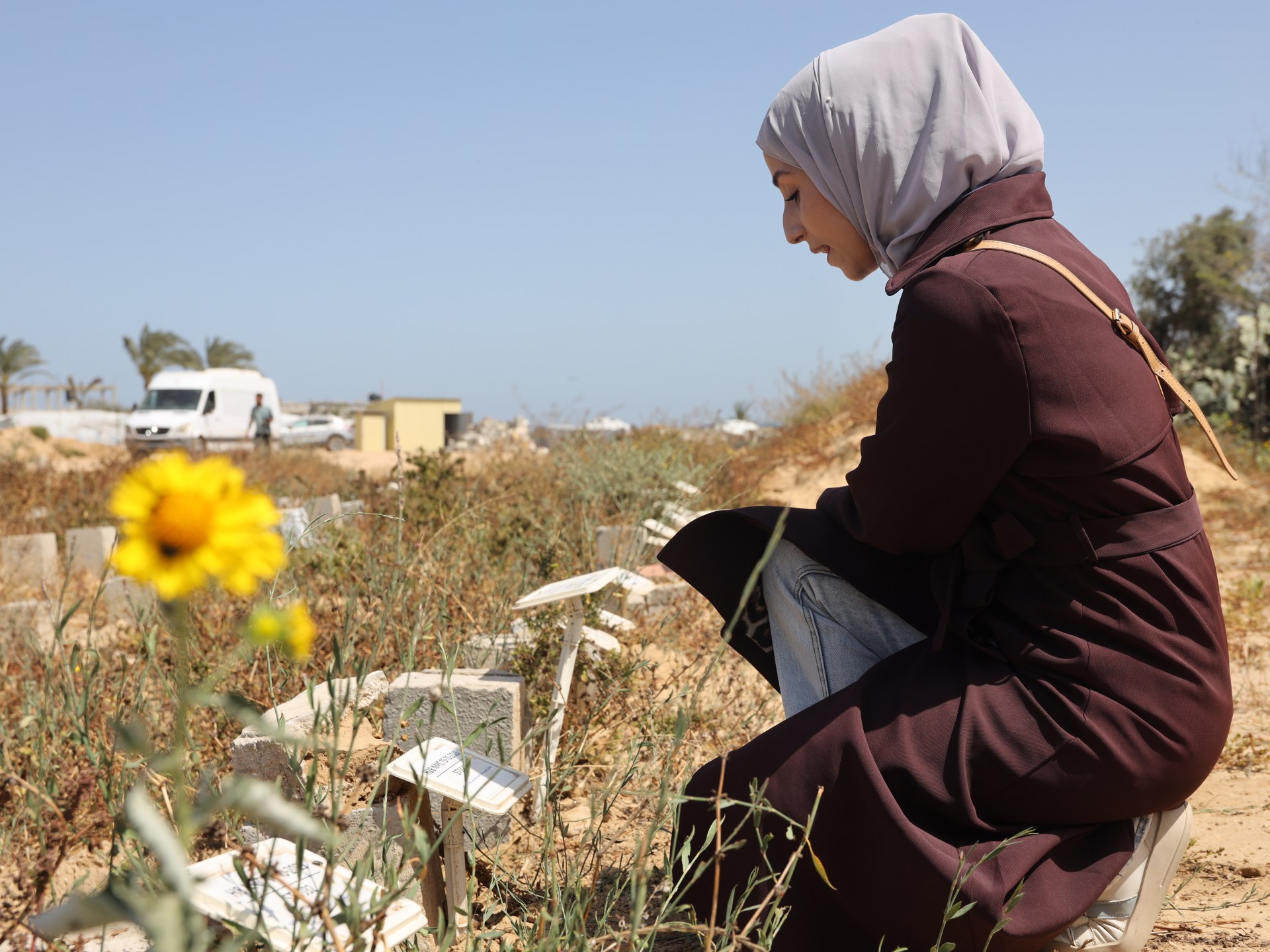
The Unseen Victims of Conflict in Gaza
In the Gaza Strip, a unique cemetery known as the ‘Cemetery of the Unidentified’ stands as a stark reminder of the devastating human toll of prolonged conflict. This burial ground is dedicated to individuals whose identities remain unknown, their lives cut short by the persistent violence that has plagued the region. For countless families, this cemetery represents a painful focal point in their desperate search for missing loved ones, a quest often fraught with uncertainty and sorrow.
A Place of Lingering Questions
The existence of such a cemetery underscores one of the most agonizing aspects of armed conflict: the disappearance of individuals without a trace. While the immediate casualties of war are often counted, those who vanish leave behind a void filled with unanswered questions for their families. The ‘Cemetery of the Unidentified’ attempts to provide a dignified resting place for these individuals, even if their names remain unknown. Each grave represents a life lost, and potentially a family left in perpetual limbo.
“The search for a missing family member is an agony that never truly ends. This cemetery, while offering a place for the unknown, also amplifies the pain of those still searching.”
Local authorities and humanitarian organizations face immense challenges in identifying the bodies brought to this cemetery. The nature of conflict often means that remains are fragmented, or evidence that could lead to identification is destroyed. Forensic capabilities can be limited, further complicating efforts to connect the deceased with their families. This situation highlights the broader humanitarian crisis unfolding in the region, where the infrastructure and resources necessary for such sensitive work are often stretched thin.
Families' Endless Search
For the families of the missing, the ‘Cemetery of the Unidentified’ is a place of both dread and faint hope. They visit, scrutinize new graves, and engage with officials, holding onto the possibility that they might finally find their loved ones, even if it means confronting the most painful truth. The process is emotionally draining, often involving DNA testing, examination of personal effects, and comparison of physical characteristics, all in the hope of a match. The emotional toll on these families is immeasurable, as they navigate a landscape of grief, uncertainty, and the relentless desire for closure.
The stories of those searching are often heartbreaking. Parents look for their children, spouses for their partners, and siblings for their brothers and sisters, all caught in a relentless cycle of hoping against hope. The inability to bury a loved one with a known identity according to cultural and religious traditions adds another layer of suffering to their already profound grief.
The Broader Context of Conflict
The establishment and continued expansion of the ‘Cemetery of the Unidentified’ is a direct consequence of the prolonged conflict in the Gaza Strip. The intensity and frequency of military operations, coupled with the dense population, inevitably lead to civilian casualties and instances where identification becomes impossible. This cemetery serves as a tangible, if grim, record of the conflict's persistent impact on civilian lives, extending beyond the immediate violence to the enduring pain of loss and uncertainty.
International humanitarian law mandates the identification of the deceased and the notification of their families. However, in conflict zones, adherence to these principles can be incredibly difficult due to operational constraints, security concerns, and the sheer volume of casualties. The situation in Gaza underscores the critical need for all parties to a conflict to prioritize efforts to identify the dead, protect forensic evidence, and facilitate the work of humanitarian organizations dedicated to this solemn task.
Ultimately, the ‘Cemetery of the Unidentified’ is more than just a burial ground; it is a profound symbol of the unresolved human tragedy in Gaza. It stands as a silent witness to the lives cut short, the identities lost, and the families left to grapple with an unending quest for answers, all against the backdrop of an enduring conflict.
Source: Al Jazeera
Related Articles
 world
world
Escalating Tensions Threaten US-Iran Diplomatic Efforts Amid Drone Incident
 world
world
Bolivia Sees Heightened Tensions as Protests Converge on Presidential Palace
 world
world
Canadian Official Criticizes Treatment of Gaza Flotilla Activists
 world
world