
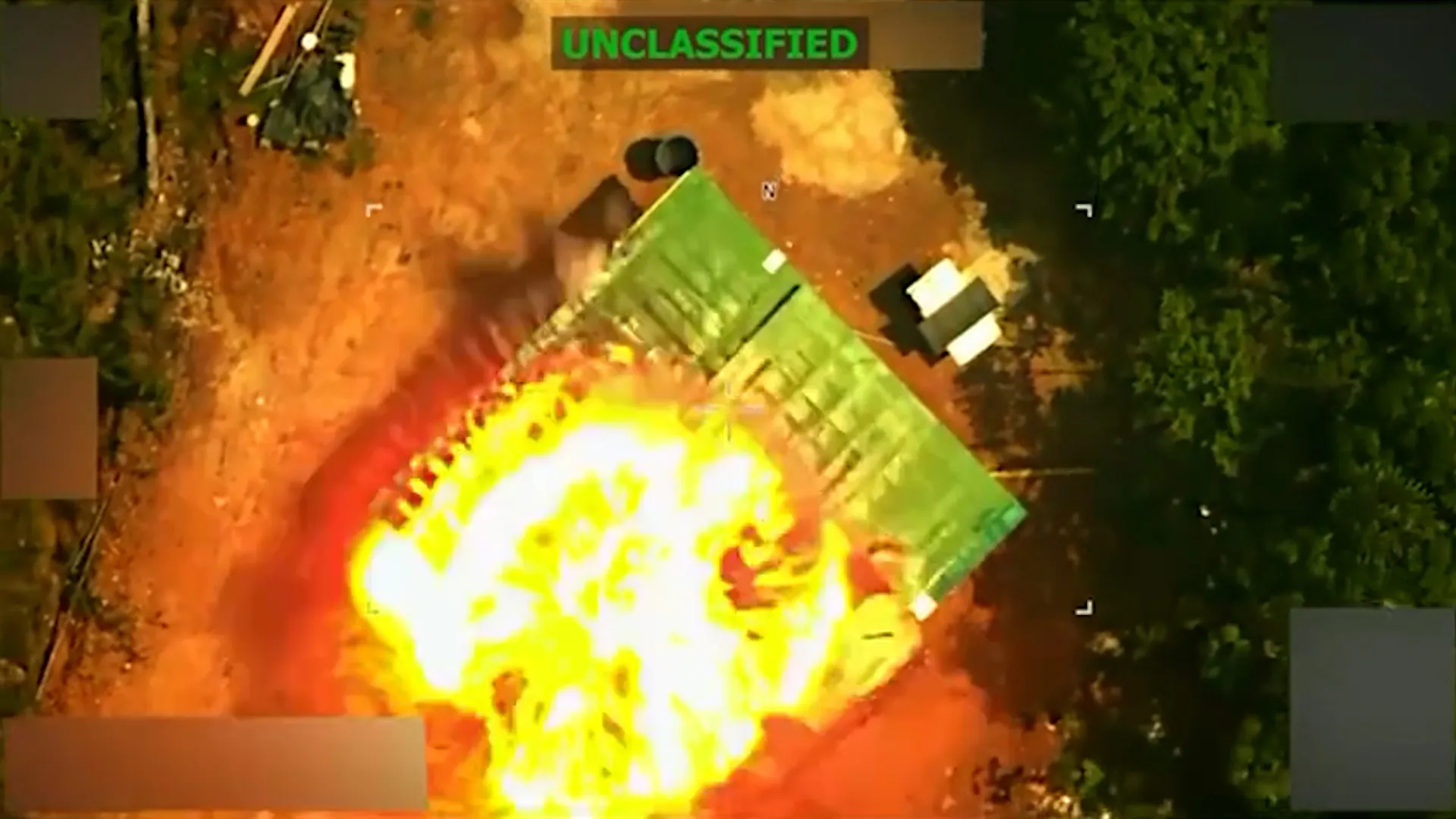
Allegations of a Targeted Operation
In a recent development that has drawn significant attention, former President Donald Trump has publicly claimed that a United States military action successfully eliminated the leader of Venezuela's notorious Tren de Aragua criminal organization. The assertion, made through a video shared by Trump, described the operation as 'swift and lethal,' suggesting a decisive strike against a high-profile target.
According to Trump's statement, the individual targeted and purportedly killed was Hector Rusthenford Guerrero Flores, widely identified as the head of the Tren de Aragua gang. This group has gained notoriety for its extensive criminal activities, which reportedly span across several countries in Latin America, making its alleged leader a significant figure in regional organized crime.
Venezuela's Alleged Role
Adding another layer to his claims, former President Trump further stated that Venezuela provided assistance to the United States in carrying out this alleged strike. The nature and extent of this purported cooperation were not detailed in his public remarks, leaving room for speculation regarding the specifics of any such collaboration between the two nations.
The idea of Venezuela aiding a US operation, particularly one targeting a figure within its own borders, presents a complex geopolitical scenario. Relations between the United States and Venezuela have often been strained, characterized by diplomatic tensions and differing political ideologies. Any verifiable cooperation on security matters of this magnitude would represent a notable shift or a highly discreet arrangement.
Context of the Tren de Aragua Gang
The Tren de Aragua originated in Venezuela, reportedly evolving from a prison gang to a sophisticated transnational criminal enterprise. Its activities are said to include drug trafficking, human trafficking, extortion, kidnapping, and illegal mining, among others. The gang's expansion beyond Venezuela's borders has been a growing concern for several South American nations, as well as for international law enforcement agencies.
The group's organizational structure and operational methods have allowed it to establish a significant presence in countries like Colombia, Peru, Ecuador, Chile, and Bolivia. This expansion has contributed to increased insecurity and challenges for local authorities struggling to contain its influence and criminal networks. The alleged neutralization of its leader, if confirmed, could have considerable implications for the gang's future operations and its regional footprint.
Implications and Verification Challenges
The claims made by former President Trump regarding the death of Hector Guerrero Flores and Venezuela's involvement introduce several critical questions. Foremost among these is the independent verification of these assertions. Official confirmation from either the current US administration or Venezuelan authorities would be crucial for substantiating the former president's statements.
As of now, neither the current US government nor Venezuelan officials have publicly confirmed or denied the details of Trump's claims. The absence of immediate official corroboration leaves the public relying solely on the former president's social media post. This situation underscores the challenges in verifying information, particularly when it pertains to sensitive military operations and international relations, and originates from sources outside current government channels.
Should the claims prove accurate, the ramifications could be far-reaching. For the United States, it would signify a successful targeted operation against a major transnational criminal figure. For Venezuela, it could suggest a willingness to engage in covert security cooperation despite public political disagreements, or it might be interpreted as an internal effort to address a significant criminal threat with external support. For the Tren de Aragua, the loss of its alleged leader could potentially disrupt its command structure and operations, though criminal organizations often adapt to such losses by appointing new leadership.
The situation remains fluid, pending further information and official statements from relevant governmental bodies. The international community will likely be watching closely for any developments that could shed more light on these significant claims and their potential impact on regional security and diplomatic relations.
Source: Original Article
Related Articles
 news
news
Vietnamese Authorities Dismantle Major Cat Theft Ring, Rescuing Hundreds of Felines
 news
news
Controversial Property Fair in London Sparks Debate Over Israeli Settlements
 news
news
UK Prime Minister Condemns 'Reckless' Russian Warning Shots in English Channel
 news
news