
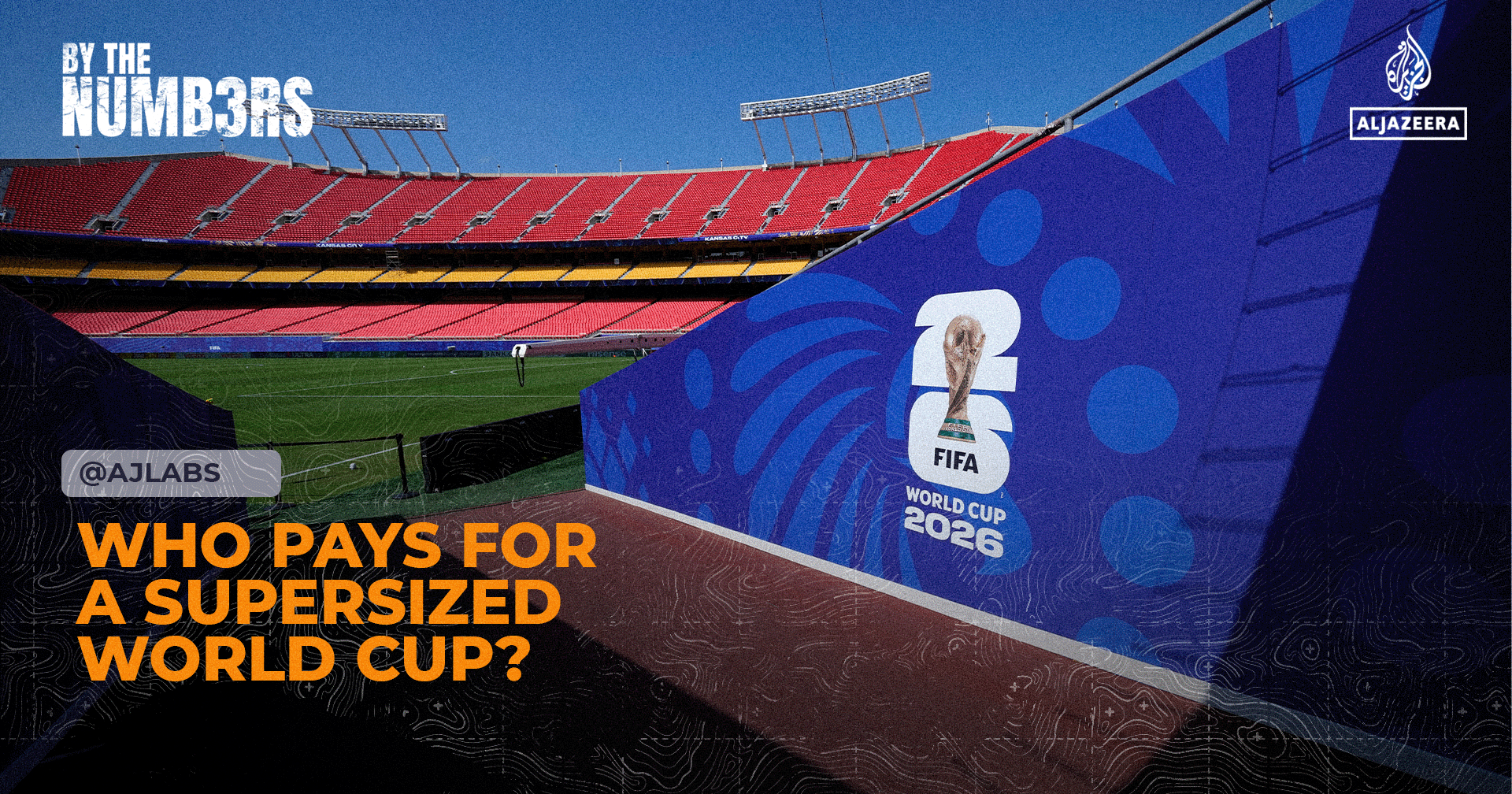
Introduction to an Expanded Tournament
The 2026 FIFA World Cup is poised to redefine the scale and financial landscape of international football tournaments. With an unprecedented expansion to 48 participating nations and a total of 104 matches, this iteration of the global spectacle is projected to generate record-breaking revenues for FIFA, the sport's governing body. The significant increase in teams and games naturally leads to complex questions regarding the financial implications, including the distribution of costs and benefits among various stakeholders.
Increased Scale and Revenue Projections
The decision to expand the World Cup from 32 to 48 teams represents a monumental shift in the tournament's structure. This expansion translates directly into a greater number of matches, which in turn boosts opportunities for revenue generation through broadcasting rights, sponsorship deals, ticket sales, and hospitality packages. FIFA has publicly stated ambitious financial targets, with projections indicating a substantial increase in income compared to previous tournaments. This financial uplift is largely attributed to the enhanced global appeal and extended duration of the event, drawing in more viewers and commercial partners worldwide.
Historically, the World Cup has been a significant financial engine for FIFA, enabling the organization to fund its various football development programs across member associations. The 2026 tournament is expected to solidify this role, providing an even larger financial base. The increased number of participating teams also means a broader geographical spread of interest, potentially opening new markets for FIFA and its commercial partners.
Hosting Responsibilities and Infrastructure Costs
The hosting of such a large-scale event inevitably comes with substantial financial outlays. For the 2026 World Cup, which will be co-hosted by the United States, Canada, and Mexico, the financial responsibilities are distributed among multiple cities and national governments. These costs encompass a wide range of expenditures, including the construction or renovation of stadiums, development of transportation infrastructure, enhancement of security measures, and establishment of training facilities.
Each host city is typically responsible for ensuring that its venues and surrounding infrastructure meet FIFA's stringent standards. This often involves significant investment in public works projects, which local authorities hope will yield long-term benefits beyond the tournament itself, such as improved public transport networks and enhanced tourism capabilities. However, the immediate financial burden can be considerable, requiring careful planning and substantial public and private sector investment.
Operational Expenses and Logistics
Beyond the fixed infrastructure costs, the operational expenses for a tournament of this magnitude are immense. These include logistics for team travel, accommodation for players and officials, staffing for match days, media operations, and the overall management of 104 games across multiple time zones and borders. FIFA covers many of these operational costs, often leveraging its commercial partnerships to streamline services and reduce expenditures where possible.
The complexity of coordinating an event across three different countries adds another layer of logistical challenge and potential cost. Cross-border travel, customs procedures, and varying national regulations all need to be meticulously managed to ensure a smooth tournament flow. While the host nations bear the primary responsibility for local operational readiness, FIFA plays a central role in orchestrating the broader tournament logistics.
Economic Impact on Host Nations
While the direct costs to host nations can be substantial, the World Cup also promises significant economic benefits. These typically include a surge in tourism, leading to increased revenue for hotels, restaurants, retail businesses, and local transportation services. The influx of international visitors and media attention can also boost the host countries' global profile, potentially attracting future investment and tourism.
However, the actual economic benefits can vary and are often subject to debate. Some economic analyses suggest that while there is a short-term boost, the long-term economic impact might be less pronounced than initially projected. The key often lies in how effectively host cities and nations can leverage the infrastructure investments and increased visibility to create lasting economic advantages.
Distribution of Revenue and Financial Model
FIFA's projected record revenue of $13 billion for the 2026 World Cup is a gross figure. A significant portion of this income is allocated to prize money for participating teams, operational expenses, and investments in football development programs globally. The financial model ensures that a portion of the tournament's success is reinvested into the sport, from grassroots initiatives to professional leagues in various member associations.
The distribution of revenue also includes payments to the host national associations for their role in organizing the event, though the specific financial arrangements are typically subject to confidential agreements between FIFA and the host countries. The overall financial structure aims to balance the commercial success of the tournament with its mission to develop and promote football worldwide.
Future Implications for Global Football
The financial success and organizational execution of the 2026 World Cup will undoubtedly set a precedent for future mega-events. The expanded format, while presenting challenges, also offers opportunities for more nations to participate in football's premier tournament, fostering greater global inclusivity. The financial model, if successful, could provide a blueprint for how major sporting events can generate significant revenue while also contributing to the sustainable development of the sport.
Ultimately, the financial burden and benefits of a supersized World Cup are multifaceted, involving a complex interplay between FIFA, host nations, commercial partners, and the global football community. The 2026 tournament stands as a testament to the sport's growing global appeal and its capacity to generate substantial economic activity.
Source: Al Jazeera
Related Articles
 sport
sport
Haiti's World Cup Kit Altered Following FIFA Review of Historical Imagery
 sport
sport
FIFA World Cup 2026: Comprehensive Guide to Teams, Schedule, and Host Cities
 sport
sport
World Cup 2026: South Korea Set to Clash with Czechia in Group A Opener
 sport
sport