
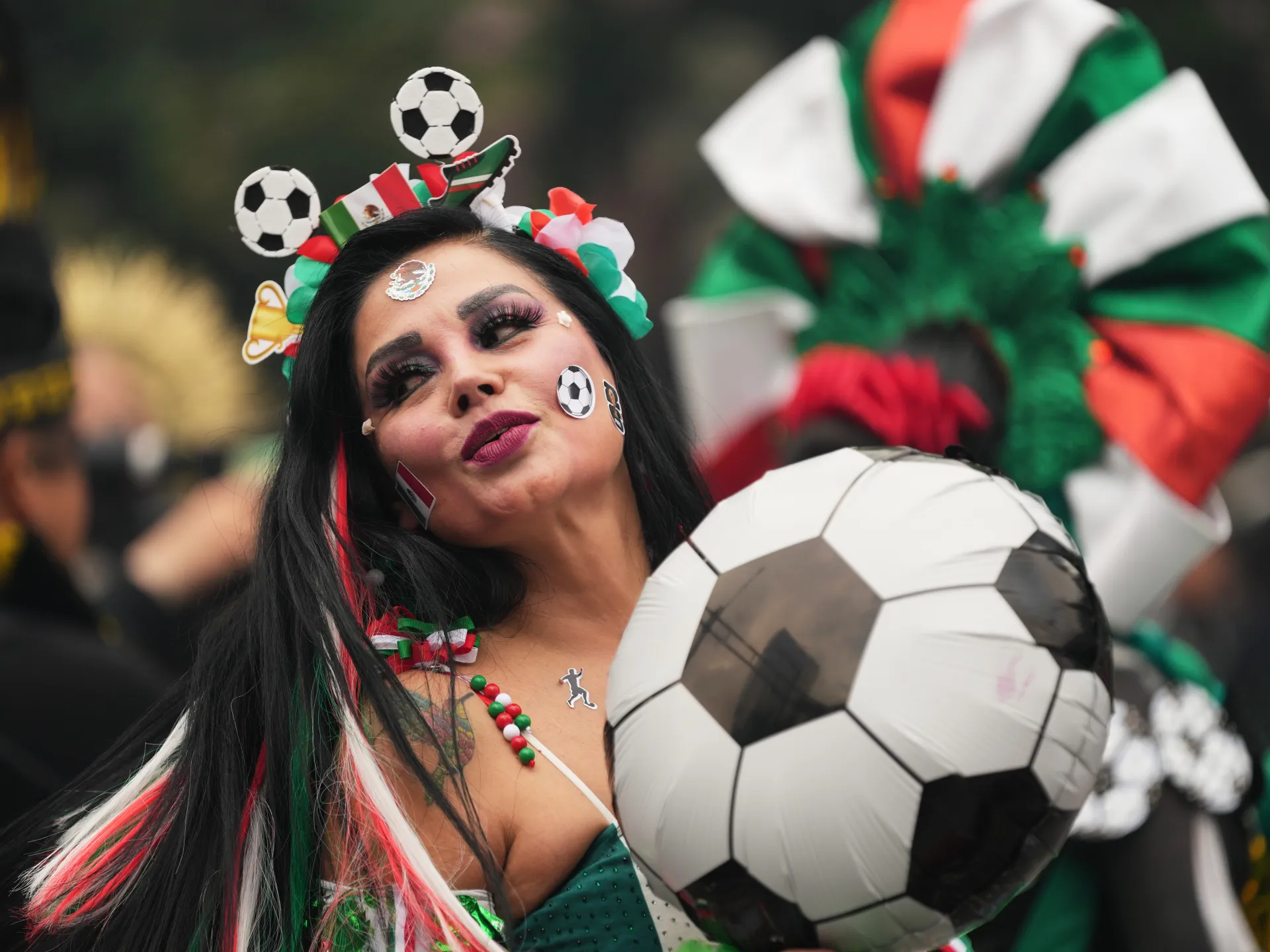
Historic FIFA World Cup Commences Across North America
The 2026 FIFA World Cup has officially begun, marking the largest iteration of the prestigious football tournament to date. Spanning across the United States, Canada, and Mexico, this edition features an unprecedented 48 teams competing in 104 matches over approximately six weeks. Millions of fans worldwide are anticipated to tune in for the opening ceremonies, the initial fixtures, and the various narratives expected to unfold throughout the competition.
Day One Schedule and Opening Festivities
The tournament commenced on Thursday, June 11, with the spotlight on Mexico, one of the three host nations. The opening ceremony took place at Mexico City Stadium, beginning at 11:00 AM local time (17:00 GMT). This grand event was a vibrant celebration of Mexican and Latin music and culture. Renowned Mexican singer Alejandro Fernandez performed the national anthem, joined by an array of artists including Mana, Los Angeles Azules, Lila Downs, and Belinda. International stars such as Colombia’s J Balvin and Venezuela’s Danny Ocean also made appearances. The ceremony was headlined by Shakira and Nigeria’s Burna Boy, who delivered the debut performance of “Dai Dai,” the official song of the tournament.
Following the ceremony, the host nation Mexico faced South Africa in the opening match at the same venue, with kickoff at 1:00 PM local time (19:00 GMT). Later in the day, South Korea took on Czechia at Estadio Guadalajara (Estadio Akron) in Guadalajara, with their match scheduled for 8:00 PM local time (02:00 GMT on June 12).
Match Predictions for the Opening Fixtures
According to the Opta supercomputer, which conducted 10,000 pre-match simulations, Mexico was heavily favored to win their opening game against South Africa, with a 66.3 percent chance of victory. South Africa’s probability of winning stood at 14.3 percent, while a draw was predicted in 19.4 percent of the simulations. Beyond the first match, Opta projected Mexico to top Group A, ahead of South Korea, Czechia, and South Africa.
Mexico's squad features veteran striker Raul Jimenez and 17-year-old midfielder Gilberto Mora, with goalkeeper Guillermo Ochoa set to make history by participating in a record sixth World Cup. South Africa is making its fourth World Cup appearance, and its first since hosting the event in 2010. Notably, some of the venues in Mexico, including Mexico City Stadium (approximately 7,300 feet or 2,225 meters above sea level) and Guadalajara (roughly 5,138 feet or 1,566 meters), are situated at high altitudes, which could present a challenge for some teams.
For the second match, South Korea was considered a slight favorite against Czechia, with Opta assigning them a 42.9 percent chance of winning compared to Czechia’s 31.1 percent. The likelihood of a draw was 26.0 percent, indicating a potentially close contest. In the broader Group A context, South Korea had a 70 percent chance of advancing to the knockout stages and a 21.3 percent chance of winning the group. Czechia was given a 64.3 percent chance of progressing and a 17.9 percent chance of topping the standings.
Beyond the Pitch: Key Narratives Shaping the Tournament
While the on-field action and opening spectacles draw significant attention, several other stories are influencing the narrative of this World Cup. These include various controversies, technological innovations, and unforeseen challenges.
Controversy Surrounding Somali Referee
Somali referee Omar Artan received a significant public welcome in Mogadishu after being denied entry to the U.S. prior to the tournament. Artan, who was poised to become the first Somali official to officiate at a World Cup, was stopped at Miami International Airport due to unspecified “vetting concerns” by U.S. authorities. FIFA subsequently removed him from the referees’ roster. Artan reported being questioned for 11 hours before being sent back but expressed optimism for future opportunities.
Escalating Ticket Prices and Fan Concerns
The 2026 World Cup is emerging as potentially the most expensive in the tournament's history. Soaring ticket prices, coupled with high costs for transport and accommodation, as well as concerns over U.S. immigration policies, have led some fans to reconsider attending. FIFA's implementation of dynamic pricing, which allows ticket costs to increase with demand, has seen some seats reach exceptionally high prices. Initial ticket prices ranged from $140 to $8,680 for the final, but by April, the top price had escalated to $10,990, significantly exceeding the maximum outlined in North America’s original bid. This has generated considerable frustration among fans.
New Technological Implementations and Rule Changes
FIFA and the International Football Association Board (IFAB) have introduced several changes aimed at enhancing gameplay and refining decision-making. These include advanced semi-automated offside technology and a smart match ball embedded with sensors that transmit real-time data to VAR. Other innovations include visible five-second countdowns for throw-ins and goal kicks to mitigate time-wasting, stricter substitution regulations, and expanded VAR capabilities to review clear errors related to second yellow cards, mistaken identity, and incorrectly awarded corner kicks.
Injury Setbacks for Competing Nations
Several teams have faced significant injury setbacks before the tournament. The Netherlands will be without Arsenal defender Jurrien Timber, who failed to recover from a groin injury. Brazil also lost key defender Wesley from AS Roma due to a left thigh injury sustained in a friendly; he has been replaced by Atalanta midfielder Ederson.
Debate Over Hydration Breaks
FIFA has mandated three-minute hydration breaks midway through each half of all 104 World Cup matches. This measure is intended to protect players from extreme heat, a concern raised during the previous Club World Cup in the United States. However, critics argue that the rule is applied too broadly, even in cooler conditions, and accuse FIFA of commercializing these stoppages by allowing broadcasters to air advertisements.
Presidential Attendance and Political Context
Reports suggest that U.S. President Donald Trump is not currently expected to attend the United States’ opening World Cup match against Paraguay, though his plans could change. However, the U.S. government will still be represented by Secretary of State Marco Rubio, Transportation Secretary Sean Duffy, and Homeland Security Secretary Markwayne Mullin. Similarly, Mexican President Claudia Sheinbaum will not use her allocated ticket for the opening match; instead, it was awarded to Yolett Cervantes Cuaquehua, a 21-year-old from Veracruz, who won a contest showcasing her football juggling skills.
Protests Amidst Celebrations in Mexico City
As Mexico prepared to host the opening match, protests unfolded across the capital. Teachers from the CNTE union, along with transport workers, farmers, and families of missing persons, demonstrated to demand improved pay, pension reforms, and action on various long-standing issues. Some demonstrations impacted World Cup preparations, with protesters blocking roads leading to the Estadio Azteca and dismantling some tournament installations.
The Intersection of Sport and Politics
The 2026 World Cup arrives with a notable political dimension. Beyond the sporting excitement, discussions continue regarding immigration crackdowns, travel restrictions, geopolitical conflicts, and the relationship between FIFA President Gianni Infantino and U.S. President Donald Trump. Journalist Ashish Malhotra noted that Trump has positioned himself centrally to the tournament, potentially using it as a diversion from other crises. Malhotra also criticized FIFA, asserting its long-standing role as a political actor. Despite these complexities, billions are still expected to engage with the tournament, underscoring the enduring appeal of football.
Source: Original Article
Related Articles
 sport
sport
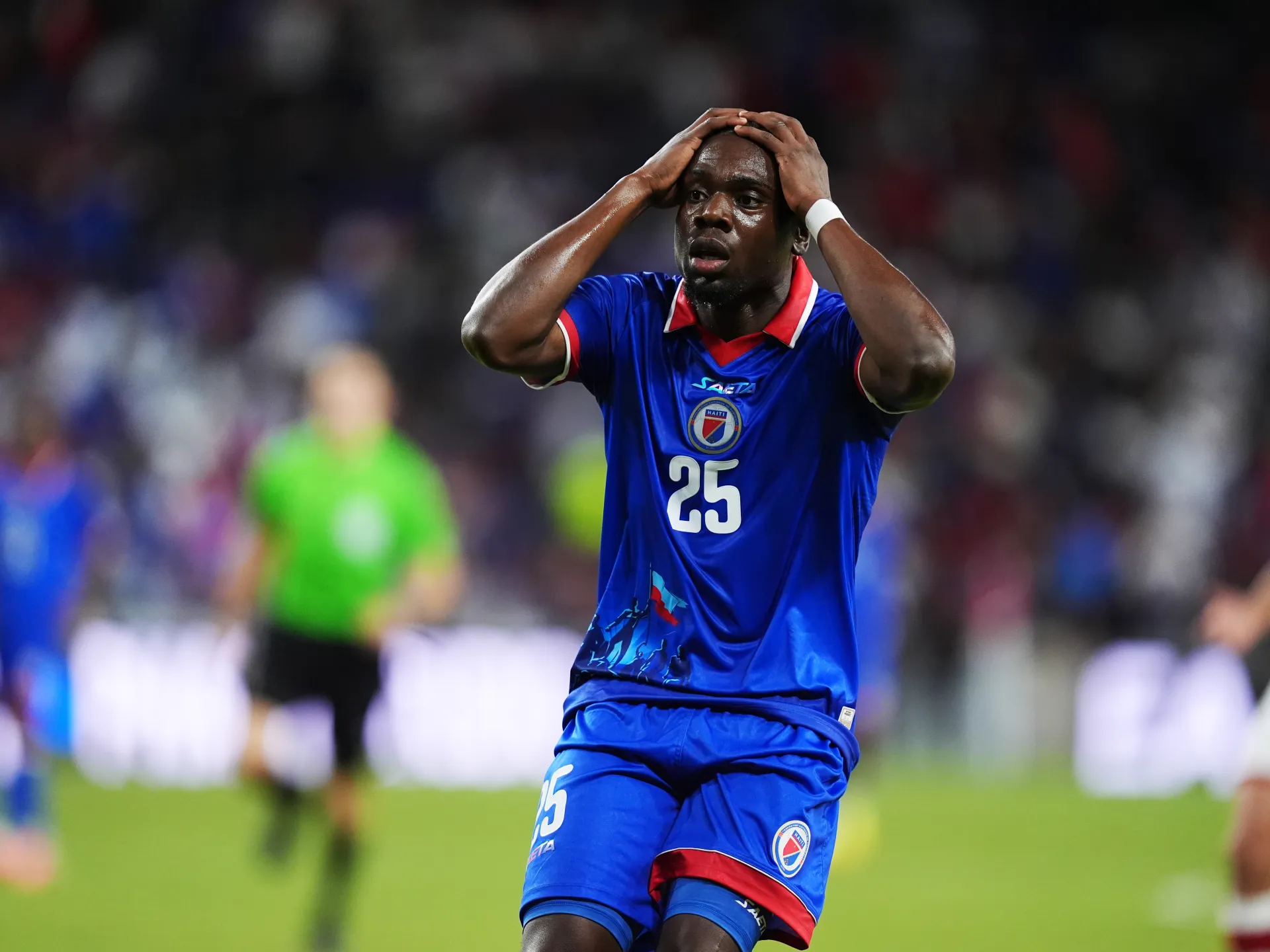
Haiti's World Cup Kit Altered Following FIFA Review of Historical Imagery
 sport
sport
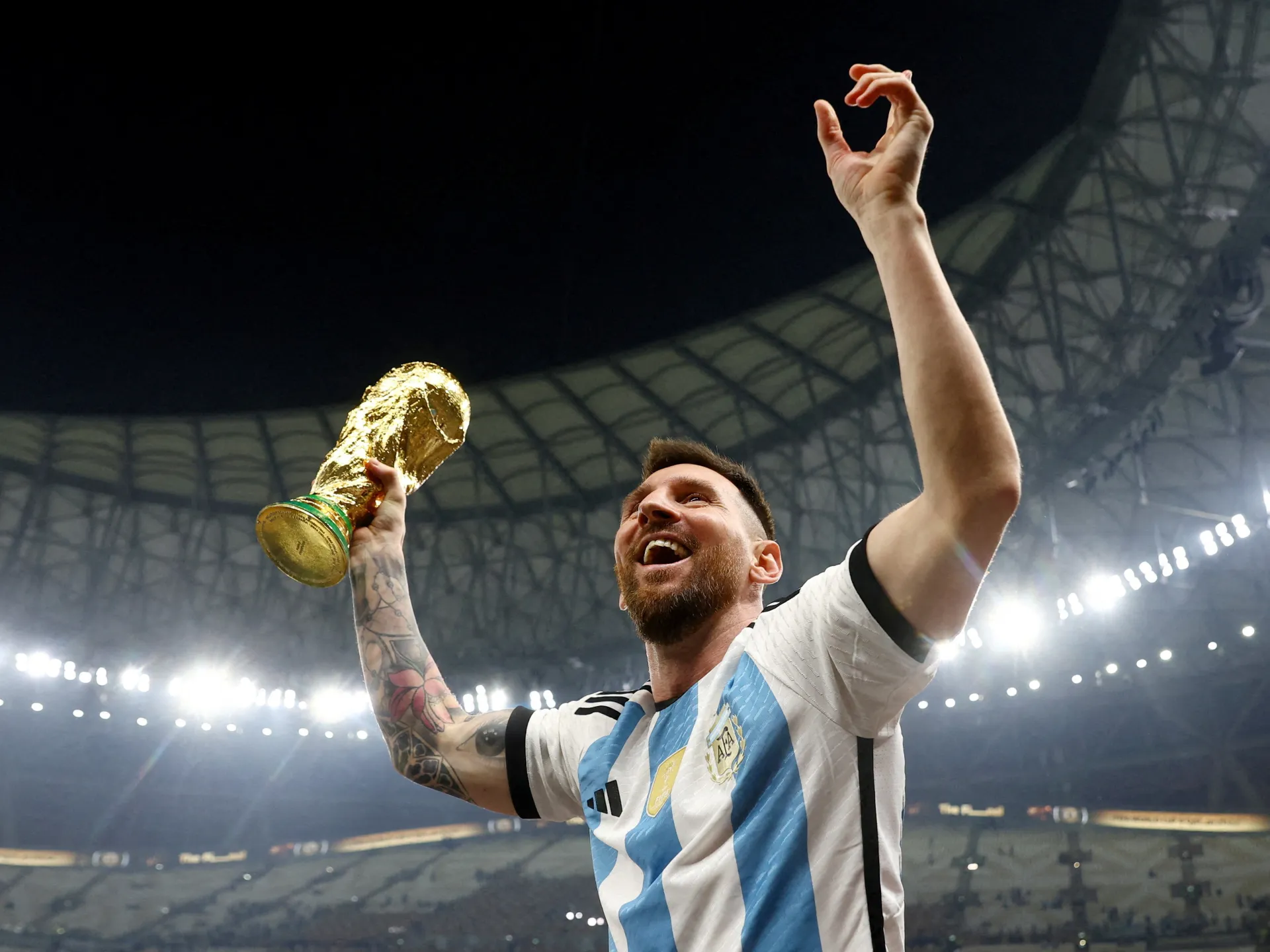
FIFA World Cup 2026: Comprehensive Guide to Teams, Schedule, and Host Cities
 sport
sport
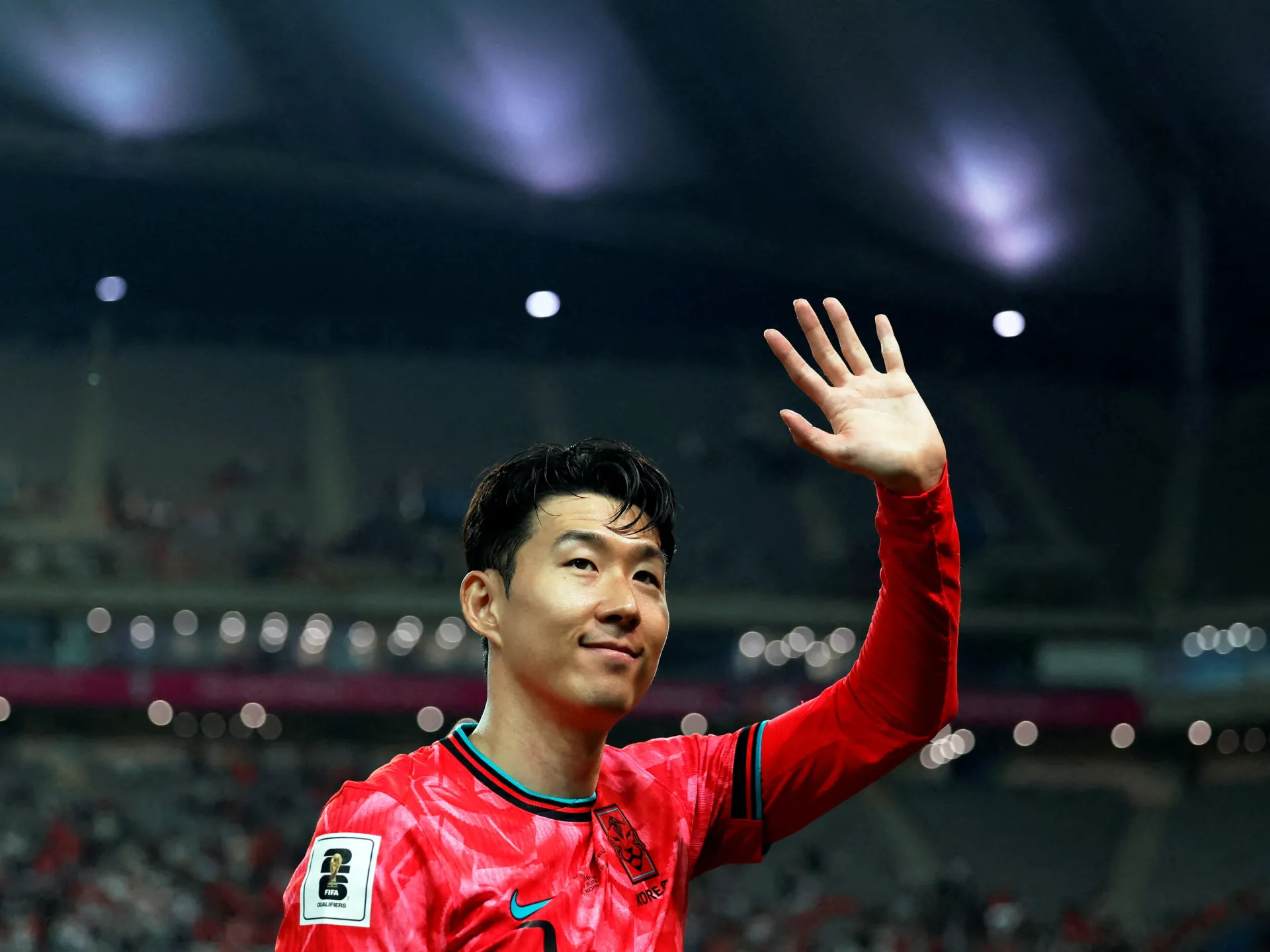
World Cup 2026: South Korea Set to Clash with Czechia in Group A Opener
 sport
sport