
Revolutionizing the World Cup Experience
With the FIFA World Cup 2026 drawing closer, football enthusiasts and analysts are turning their attention to a range of innovations and potential adjustments that could redefine the tournament. Beyond the expanded format and increased number of host cities, several key elements are generating considerable discussion, from entertainment spectacles to player attire and fan engagement strategies.
The Spectacle of a Half-Time Show
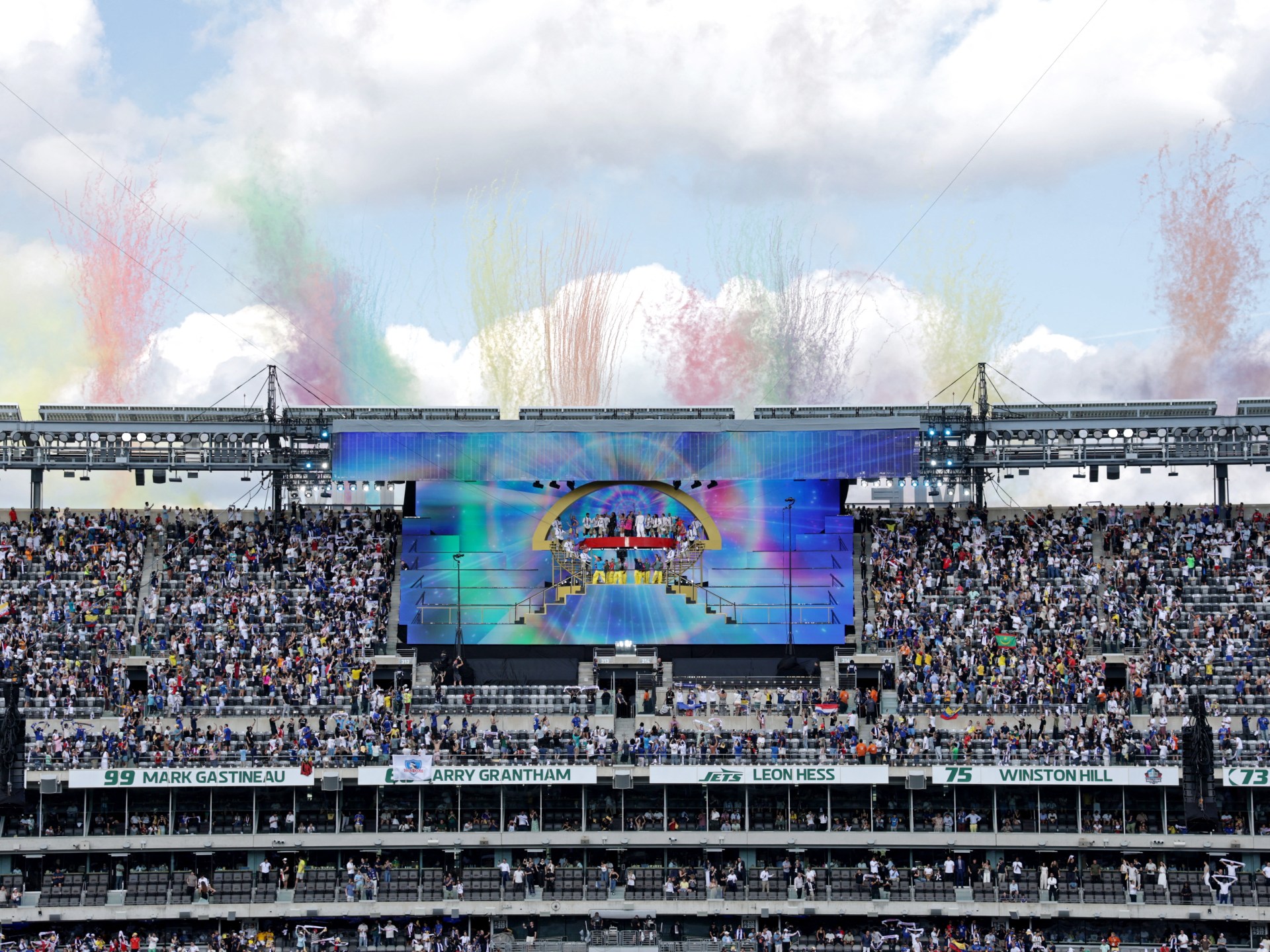
One of the most talked-about proposals for the 2026 World Cup is the potential introduction of an NFL-style half-time show. This concept, drawing inspiration from the highly popular and often elaborate performances seen during American football's Super Bowl, aims to elevate the entertainment value of the matches. Proponents suggest that a star-studded musical or cultural performance could captivate a global audience during the intermission, adding a new dimension to the match-day experience. While traditional football fans might prioritize the on-field action, the move could attract a broader demographic, blending sport with high-profile entertainment. However, questions remain regarding the logistics, costs, and how such a spectacle would integrate with the existing football culture without overshadowing the sport itself.
Evolution of Team Kits and Fan Merchandise
Another area of focus is the evolution of team kits and the broader merchandise landscape. Discussions often revolve around the intersection of tradition, performance, and commercial appeal. Modern football kits are not merely uniforms; they are designed with advanced materials to enhance player performance, manage sweat, and provide optimal comfort. For the 2026 tournament, there's an expectation of further technological advancements in fabric and design, potentially incorporating sustainable materials or innovative features. Beyond the technical aspects, kits are also a powerful symbol of national identity and a significant revenue stream through replica sales. The balance between maintaining iconic designs and introducing fresh aesthetics, while also addressing fan demand for unique and high-quality merchandise, will be a key consideration for national federations and kit manufacturers.
Logistical Challenges and Fan Accessibility
The 2026 World Cup will be unprecedented in its scale, being co-hosted by three nations—the United States, Canada, and Mexico—and featuring an expanded 48-team format. This expansion brings with it significant logistical challenges, particularly concerning travel for teams and fans across vast geographical distances. Planning for transportation, accommodation, and security across multiple time zones and borders will be a monumental undertaking. For fans, this means navigating complex travel itineraries and potentially higher costs. Organizers are expected to implement robust strategies to ensure smooth operations and enhance the fan experience, including digital solutions for ticketing, information dissemination, and inter-city travel guidance. Accessibility for fans with disabilities and ensuring a welcoming environment in all host cities will also be paramount.
Player Welfare and Performance in an Expanded Tournament
The expanded format also raises questions about player welfare and performance. With more matches and potentially longer travel distances between venues, managing player fatigue and ensuring optimal conditions for elite performance will be crucial. National teams will need to carefully consider squad rotation, recovery protocols, and acclimatization to different climates and conditions. The increased number of teams also means more players will experience the pinnacle of international football, potentially raising the overall competitive standard and providing opportunities for emerging footballing nations to make their mark on the world stage.
The Broader Impact on Host Nations
Beyond the immediate tournament, the FIFA World Cup 2026 is anticipated to have a profound and lasting impact on the host nations. The event will drive significant economic activity through tourism, infrastructure development, and job creation. It also presents a unique opportunity for cultural exchange and showcasing the diversity of the host countries to a global audience. The legacy of the tournament, including upgraded stadiums, improved transportation networks, and increased participation in football at grassroots levels, will be a critical measure of its long-term success.
As the countdown continues, the FIFA World Cup 2026 promises to be a landmark event, not only for its scale but also for the innovative approaches being considered to enhance the global football spectacle.
Source: Al Jazeera
Related Articles
 sport
sport
Cobolli Advances to French Open Final After Arnaldi's Viral Withdrawal
 sport
sport
Iranian Football Team Secures US Visas for World Cup Amid Geopolitical Tensions
 sport
sport
Cristiano Ronaldo Prepares for Historic Sixth World Cup with Portugal Squad
 sport
sport