
Overview of the FIFA World Cup 2026
The upcoming FIFA World Cup in 2026 is poised to be an event of unprecedented scale, setting new benchmarks in the tournament's long history. Scheduled to take place from June 11 to July 19, 2026, this edition will be uniquely spread across three North American nations: the United States, Canada, and Mexico. A significant change for this tournament is the expansion of participating teams from 32 to 48, promising more matches, more teams, and a broader global reach.
Expanded Format: 48 Teams and New Group Structure
For the first time since its inception, the FIFA World Cup will feature 48 national teams, a substantial increase from the 32-team format that has been in place since the 1998 tournament in France. This expansion is part of FIFA's ongoing effort to include more nations in the pinnacle of international football. The three host countries—the United States, Mexico, and Canada—have automatically secured their places in the tournament. The remaining 45 spots were contested through a rigorous two-year qualification process involving national teams across FIFA's six continental confederations.
The tournament structure has also undergone a significant revision to accommodate the increased number of teams. Instead of the traditional eight groups, the 2026 World Cup will feature 12 groups, each comprising four teams. This new format will see the top two teams from each group automatically advancing to the knockout stage. Additionally, the eight best third-placed teams across all groups will also progress, leading to a Round of 32. This means that 32 of the 48 participating teams will move past the group stage, intensifying the competition from the outset.
Match Schedule and Venues
The expansion to 48 teams naturally translates into a greater number of matches. The 2026 World Cup will feature a total of 104 matches, a considerable increase from the 64 games played at the Qatar 2022 tournament. The group stage alone will account for 72 matches, followed by 32 in the knockout rounds. Football enthusiasts will have ample opportunities to follow their favorite teams and witness historic moments throughout the tournament.
Host Cities and Stadiums
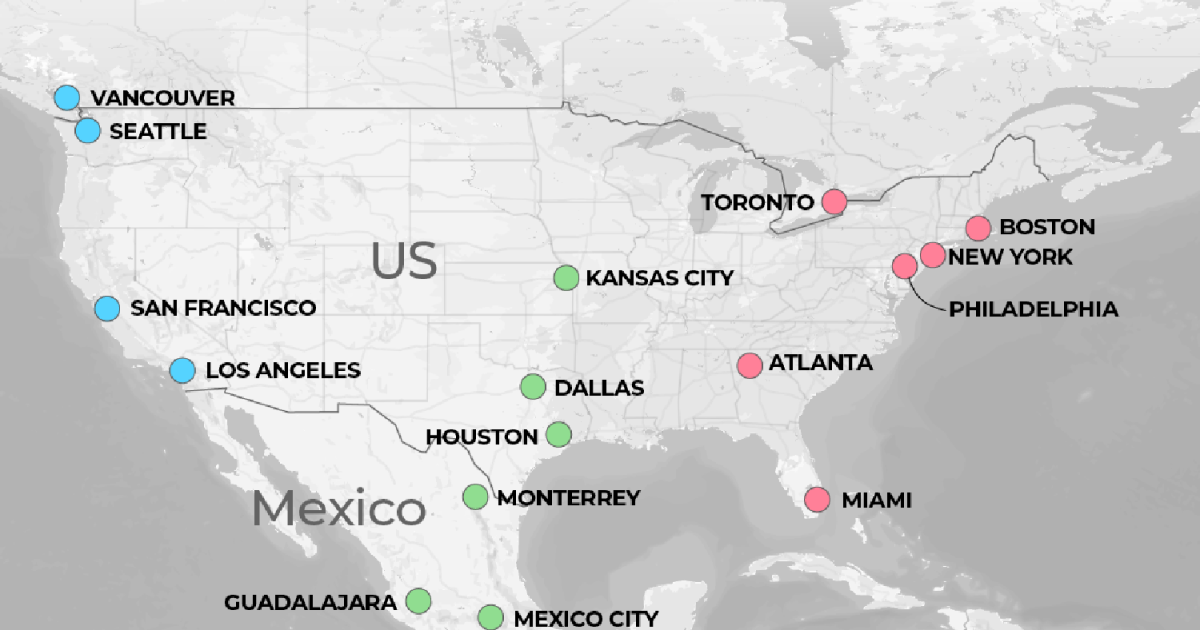
Matches will be distributed across 16 cities in the three host nations. The United States will bear the largest share of the hosting duties, with 11 stadiums staging a total of 78 matches. Mexico, a country with a rich World Cup history, will host 13 matches across three stadiums. Canada, participating as a co-host for the first time, will also host 13 matches in two of its stadiums. This multi-national hosting arrangement is a unique aspect of the 2026 tournament, requiring extensive logistical coordination.
Key Matches: Opening and Final
- Opening Match: The inaugural match of the FIFA World Cup 2026 is scheduled for June 11, kicking off at 13:00 local time (19:00 GMT) at the iconic Mexico City Stadium. Host nation Mexico will face South Africa, a replay of their 2010 World Cup opener.
- Final Match: The grand finale will take place on Sunday, July 19, at the New York New Jersey Stadium. The highly anticipated match will commence at 15:00 local time (19:00 GMT) and is expected to draw a capacity crowd of 82,500 spectators.
Historical Context and Prize Money
Mexico has a proud history of hosting the World Cup, having previously done so in 1970 and 1986. The United States also hosted the tournament in 1994, which remains the most attended World Cup in history. For Canada, 2026 marks its debut as a co-host, signifying a new chapter in its footballing history.
Since the first tournament in 1930, eight different national teams have lifted the coveted men's FIFA World Cup trophy. Brazil leads the pack with five titles, secured in 1958, 1962, 1970, 1994, and 2002, cementing its status as one of football's most dominant nations.
Record Prize Money
The 2026 FIFA World Cup will also set a new record for prize money. The victorious team will not only claim the prestigious 18-carat gold-plated trophy but also a staggering $50 million in prize money. This represents a substantial increase from the $42 million awarded to the winner of Qatar 2022, highlighting the growing commercial scale and financial stakes involved in the tournament. The evolution of prize money reflects the global growth of football, with the winner's purse increasing significantly from just $2.2 million in 1982 to the current record sum.
As the FIFA World Cup 2026 approaches, the expanded format, multi-national hosting, and increased prize money underscore its significance as a landmark event in the world of sports. The tournament promises to deliver an unforgettable experience for teams and fans alike, setting new standards for global football competitions.
Source: Original Article
Related Articles
 sport
sport
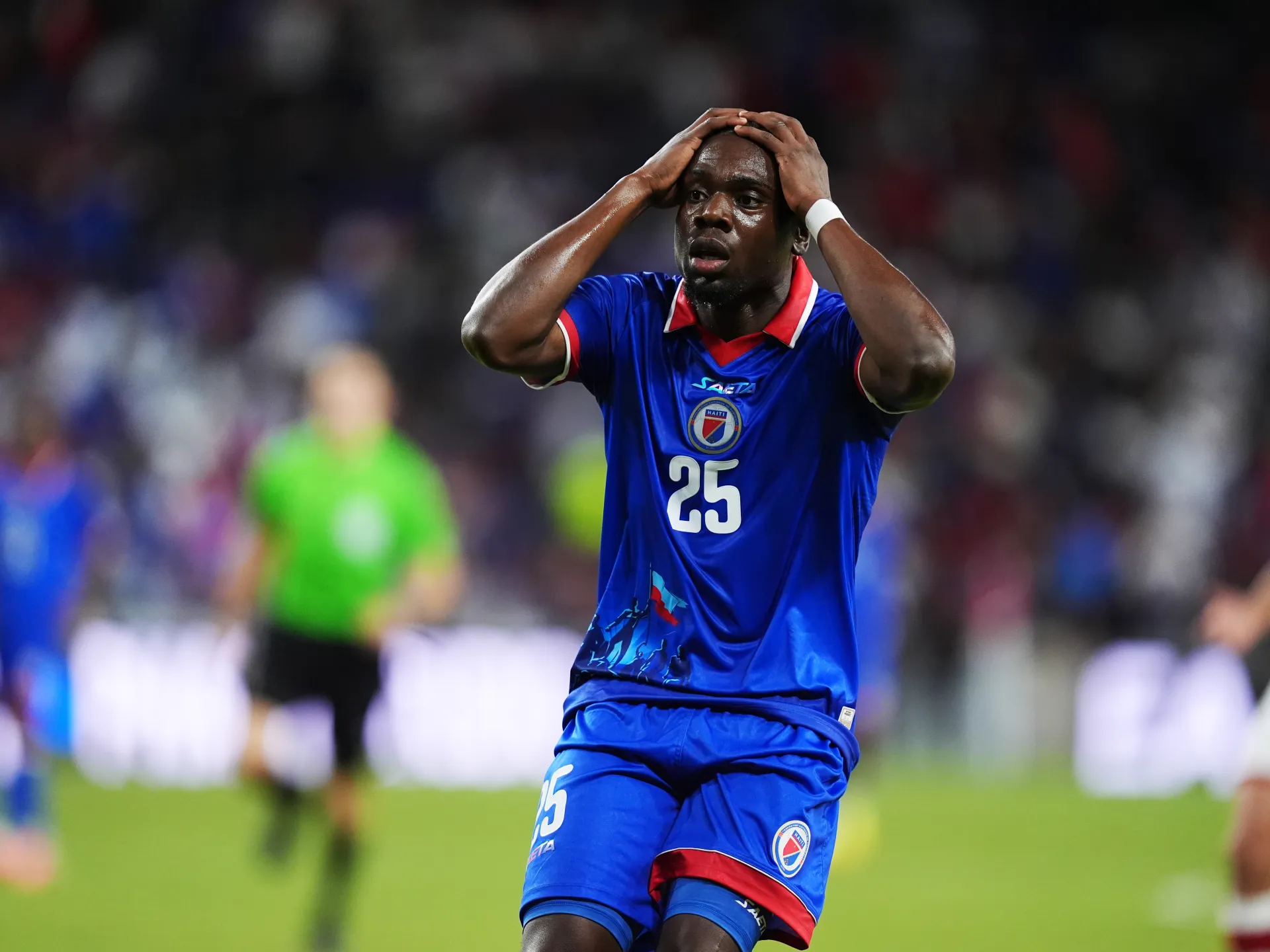
Haiti's World Cup Kit Altered Following FIFA Review of Historical Imagery
 sport
sport
FIFA World Cup 2026: Comprehensive Guide to Teams, Schedule, and Host Cities
 sport
sport
World Cup 2026: South Korea Set to Clash with Czechia in Group A Opener
 sport
sport