
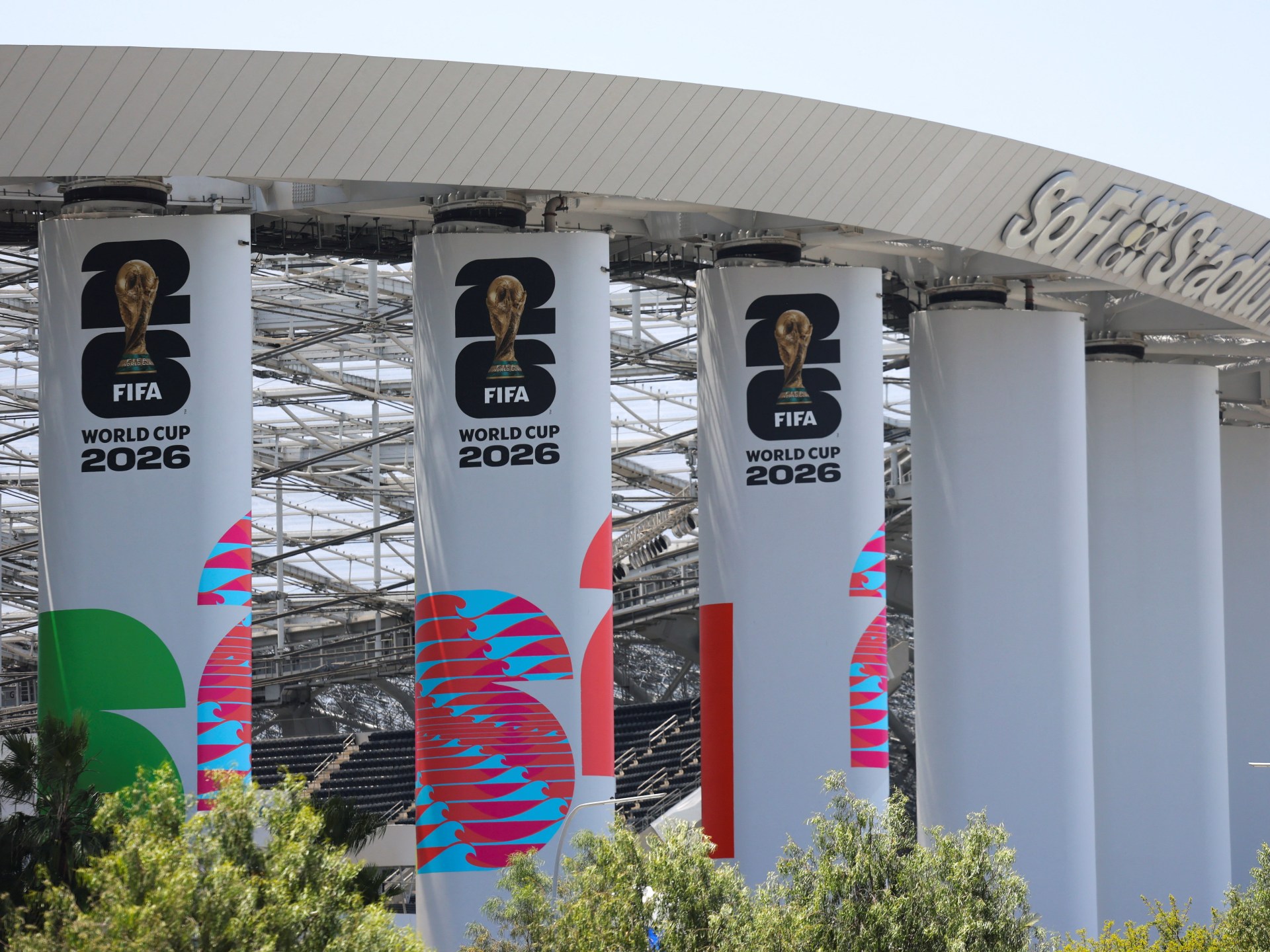
FIFA's Policy Shift for World Cup 2026
Football's global governing body, FIFA, has implemented a significant alteration to its stadium code of conduct for the upcoming 2026 World Cup. This last-minute decision prohibits spectators from bringing reusable water bottles into any of the tournament venues.
Initial Expectations and Environmental Concerns
Previously, it was widely anticipated that FIFA would encourage or at least permit the use of reusable bottles as part of a broader commitment to sustainability. Many environmental organizations and fan groups have advocated for such policies, viewing them as a crucial step in reducing plastic waste at large-scale sporting events. The initial understanding was that the 2026 World Cup, co-hosted by the United States, Canada, and Mexico, would integrate eco-friendly practices to minimize its environmental footprint, aligning with contemporary global efforts towards sustainability.
Rationale Behind the Ban
While FIFA has not yet provided an elaborate public explanation for this sudden policy reversal, such decisions at major international events often stem from a confluence of factors. Primary among these are security considerations. Event organizers frequently implement stringent controls over items brought into stadiums to prevent prohibited substances or objects from entering the premises. Reusable bottles, particularly those made of hard materials, could potentially be perceived as security risks, either as projectiles or as containers for illicit liquids.
Another potential factor could be commercial agreements with official sponsors. Beverage companies often hold exclusive pouring rights and branding opportunities within tournament venues, making the sale of their products a significant revenue stream. Allowing external beverages, even in reusable containers, could potentially undermine these commercial partnerships.
Impact on Fans and Sustainability Goals
The ban is likely to have several implications. For fans, it means an adjustment to their match-day preparations, requiring them to purchase beverages inside the stadiums, potentially at higher prices. It also represents a setback for those who prioritize environmental responsibility, as it may lead to an increased reliance on single-use plastic bottles sold within the venues.
The decision also raises questions about FIFA's overarching sustainability pledges. Major sporting events face increasing pressure to demonstrate environmental stewardship. Policies that appear to contradict sustainability efforts can draw criticism from environmental advocates and the public alike. Future communications from FIFA might shed more light on how they intend to balance security and commercial imperatives with their stated environmental objectives for the 2026 tournament.
Looking Ahead to 2026
As the 2026 World Cup draws closer, further details regarding stadium policies, fan experience, and sustainability initiatives are expected to emerge. This particular change underscores the dynamic nature of event planning for global spectacles, where logistical, security, and commercial considerations often lead to evolving guidelines for attendees.
Source: Al Jazeera
Related Articles
 sport
sport
Cobolli Advances to French Open Final After Arnaldi's Viral Withdrawal
 sport
sport
Iranian Football Team Secures US Visas for World Cup Amid Geopolitical Tensions
 sport
sport
Cristiano Ronaldo Prepares for Historic Sixth World Cup with Portugal Squad
 sport
sport