
Introduction to Media Scrutiny
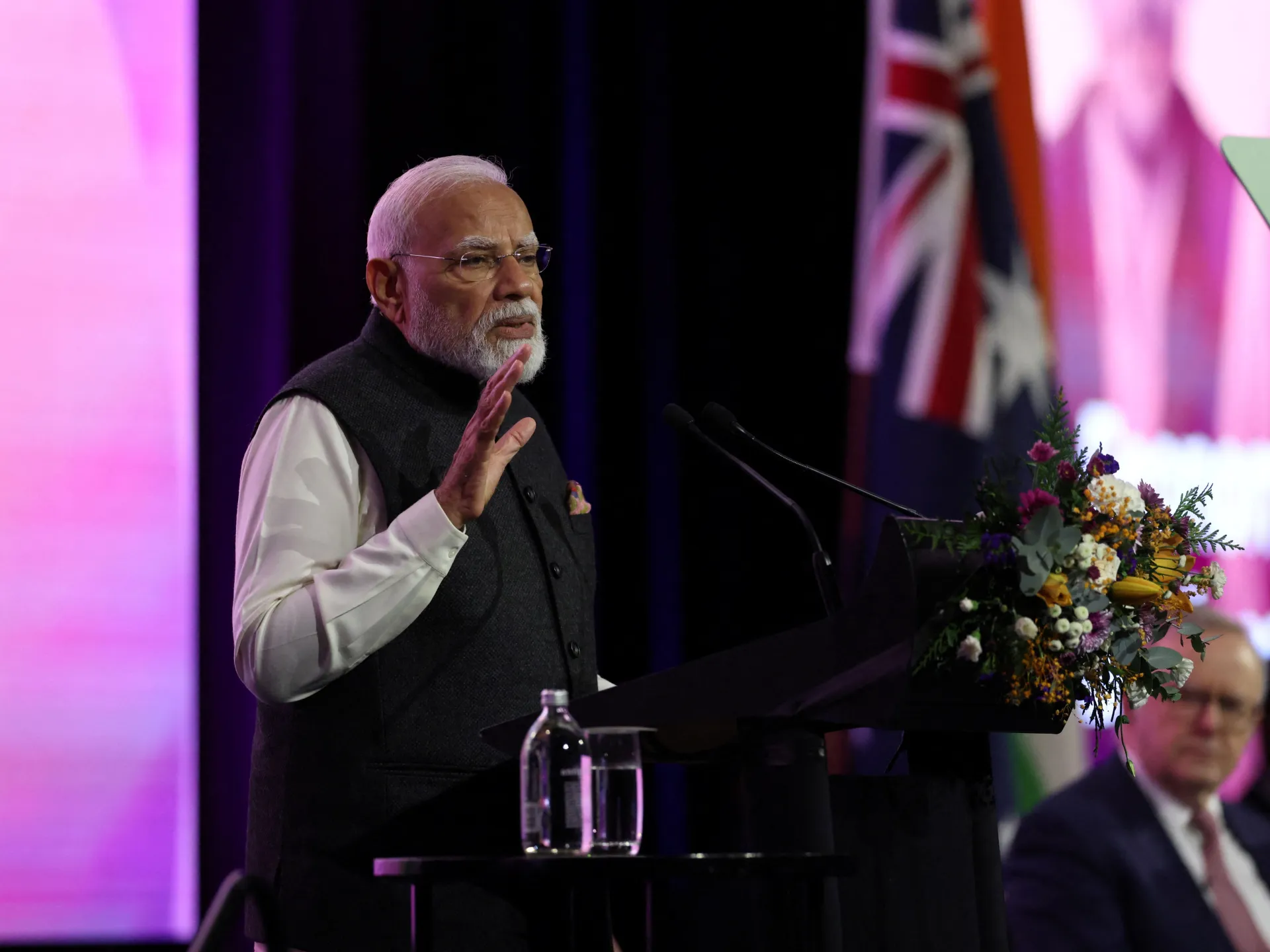
The media interaction practices of Indian Prime Minister Narendra Modi have recently garnered international attention, particularly concerning his infrequent participation in unscripted press conferences. This issue has resurfaced following inquiries from foreign journalists during official state visits, highlighting a consistent pattern of limited direct engagement with the press.
Recent Incidents Sparking Discussion
A notable instance occurred when a New Zealand reporter directly questioned Prime Minister Modi's avoidance of unscripted media sessions during a state visit. This particular event was not isolated; it represented the third such incident within a span of two months where the Prime Minister's approach to media engagement was brought into focus. Such occurrences have led to broader discussions within journalistic and political circles regarding the nature of communication from the Indian government.
The Role of Press Conferences in Democratic Governance
In many democratic systems, regular and unscripted press conferences are considered a cornerstone of transparent governance. They offer a direct channel for the public, through journalists, to question leaders on policy, decisions, and current events. This mechanism is often seen as vital for accountability, allowing for immediate clarification and scrutiny that prepared statements or structured interviews might not provide.
Arguments for Unscripted Engagements
- Accountability: Direct questioning can hold leaders accountable for their actions and policies.
- Transparency: Unscripted sessions can foster a sense of openness and honesty between the government and the public.
- Public Information: They provide an opportunity for comprehensive information dissemination on pressing national and international issues.
- Credibility: Engaging with diverse media without pre-screening questions can enhance a leader's credibility and public trust.
Government's Stance and Communication Strategy
The Indian government has consistently defended Prime Minister Modi's communication strategy. Official spokespersons and government representatives often point to other forms of media engagement, such as interviews, public addresses, and social media interactions, as ample avenues for the Prime Minister to communicate with the electorate and the global community. These platforms allow for a more controlled environment for conveying messages, ensuring that the government's narrative is presented clearly and without immediate interruption.
Alternative Communication Channels Utilized
Prime Minister Modi frequently uses various alternative channels to communicate his messages and government policies. These include:
- Mann Ki Baat: A monthly radio program where the Prime Minister addresses the nation on various topics.
- Structured Interviews: Occasional interviews with selected media outlets, often with pre-agreed topics.
- Public Rallies and Speeches: Direct addresses to large audiences, often broadcast live.
- Social Media: Active use of platforms like X (formerly Twitter) and Facebook for immediate updates and policy announcements.
- Government Press Releases and Briefings: Official statements and briefings conducted by ministers and bureaucrats.
These methods, while effective in disseminating information, differ significantly from the dynamic and often unpredictable nature of unscripted press conferences. Critics argue that while these channels provide information, they do not offer the same level of direct accountability and spontaneous scrutiny that unscripted press conferences facilitate.
International Perspectives and Comparisons
The global media landscape often compares the communication styles of world leaders. In many Western democracies, leaders regularly engage in press conferences where journalists are free to ask questions without prior submission. This tradition is deeply embedded in the journalistic ethos of these nations, where the media views itself as a crucial check on power.
Varying Norms in Media Engagement
It is important to acknowledge that norms for media engagement can vary significantly across different political systems and cultural contexts. What might be considered standard practice in one country may not be in another. However, the increasing interconnectedness of global media means that the practices of leaders are often subjected to international scrutiny and comparison, irrespective of local traditions.
Conclusion: An Ongoing Discussion
The debate surrounding Prime Minister Modi's approach to unscripted press conferences reflects broader discussions about media freedom, government transparency, and the role of journalism in a democratic society. While the Indian government maintains that its current communication strategy is effective and comprehensive, the recurring questions from international journalists underscore a persistent interest in, and perhaps an expectation of, more direct and unscripted engagements from one of the world's most prominent leaders. This ongoing discourse highlights the diverse expectations placed on political leaders concerning their interaction with the media and the public.
Source: Original Article
Related Articles
 politics
Senator Lindsey Graham, Staunch Ally of Israel and Key Republican Figure, Passes Away at 71
 politics
Venezuela's Diplomatic Shift: Pragmatism Over Ideology in Rapprochement with Israel
 politics
Gaza's Governance: Administration Without Sovereignty Questions Palestinian Self-Determination
 politics