
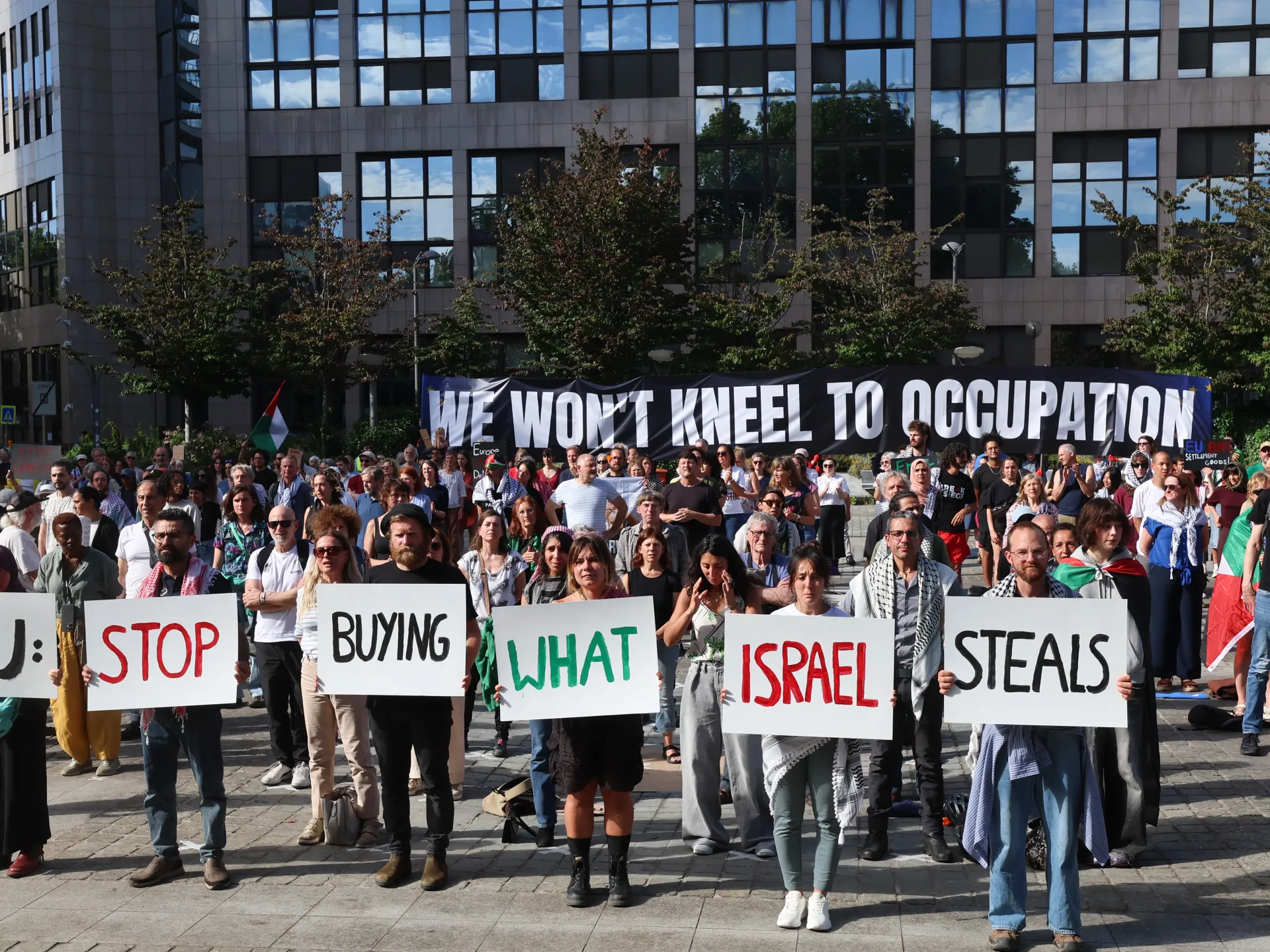
Upcoming EU Foreign Affairs Council Meeting on Israel-Palestine
On July 13, the European Union's foreign ministers are set to convene in Brussels during the Foreign Affairs Council meeting. The agenda includes discussions about Gaza and the West Bank, covering topics such as settlement trade, the EU-Israel Association Agreement, potential sanctions on Israel's National Security Minister Itamar Ben-Gvir, and proposals for restricting, but not banning, goods from illegal Israeli settlements.
Historical Inaction and the Role of Consensus
Historically, EU meetings on this issue have been marked by hesitance and a failure to take decisive action, often citing a "lack of consensus" as the reason. This consensus requirement has often been used to justify inaction, particularly with countries like Germany and Italy, backed by several Eastern European states, blocking significant measures against Israel's actions.
Despite the EU's invocation of international law, it has been criticized for not applying it consistently in Israel's case. The gap between rhetoric and action has become increasingly apparent, as shown by a leaked 2017 legal memo advising the suspension of the EU-Israel Association Agreement due to legal grounds. Additionally, reports indicate that Israel has caused over 150 million euros ($172 million) in damage to EU-funded infrastructure in Gaza and the West Bank, yet faces no accountability.
International Legal Obligations
According to human rights bodies, serious violations continue, with a June 2026 UN report labeling the targeting of Palestinian children as genocide, alongside other crimes against humanity and war crimes. The International Court of Justice (ICJ) ruled in July 2024 that Israel's occupation of Palestinian territories is unlawful and violates Palestinians' right to self-determination, calling for an end to settlement activity and policies akin to apartheid.
The ICJ also emphasized that all states are legally obligated not to recognize the occupation as lawful, nor to assist in its perpetuation, and to cooperate to end it.
Member States' Independent Actions
EU member states are not only legally obligated to act; they have tools that do not necessitate EU-wide consensus. Nations can suspend bilateral cooperation with Israel, including visa facilitation and cultural or scientific exchanges, apply national export-control regimes to halt arms and military equipment transfers, and ban trade with illegal settlements. Targeted sanctions, such as travel bans and asset freezes on individuals involved in serious international law violations, can also be considered.
Moreover, member states might press the EU to activate the Blocking Statute against US sanctions targeting those seeking accountability at the International Criminal Court (ICC) while continuing to support Palestinian civil society financially. They can pursue accountability through domestic courts, support ICC arrest warrants, and contribute to implementing ICJ rulings and advisory opinions. Additionally, they might intervene in South Africa's genocide case before the ICJ.
Future Prospects
The EU and its member states have spent years finding reasons not to act decisively. The upcoming Council meeting, particularly with Ireland presiding over the EU's rotating presidency from July 1 to December 31, 2026, could be a turning point. Ireland has the institutional capacity to potentially convert its advocacy into action.
The issue is no longer about whether the EU has the legal tools to act—it does. The pressing question is whether member states will continue deferring responsibility to Brussels or finally utilize their own capacities to address the situation.
Source: Original Article
Related Articles
 world
world
Iranian Provinces Report Strikes Amid US Denial of Involvement
 world
world
Ukraine to Accelerate Patriot Missile Production Following US Approval
 world
world
US Strategy on Iran: A Complex Web of Pressures
 world
world