
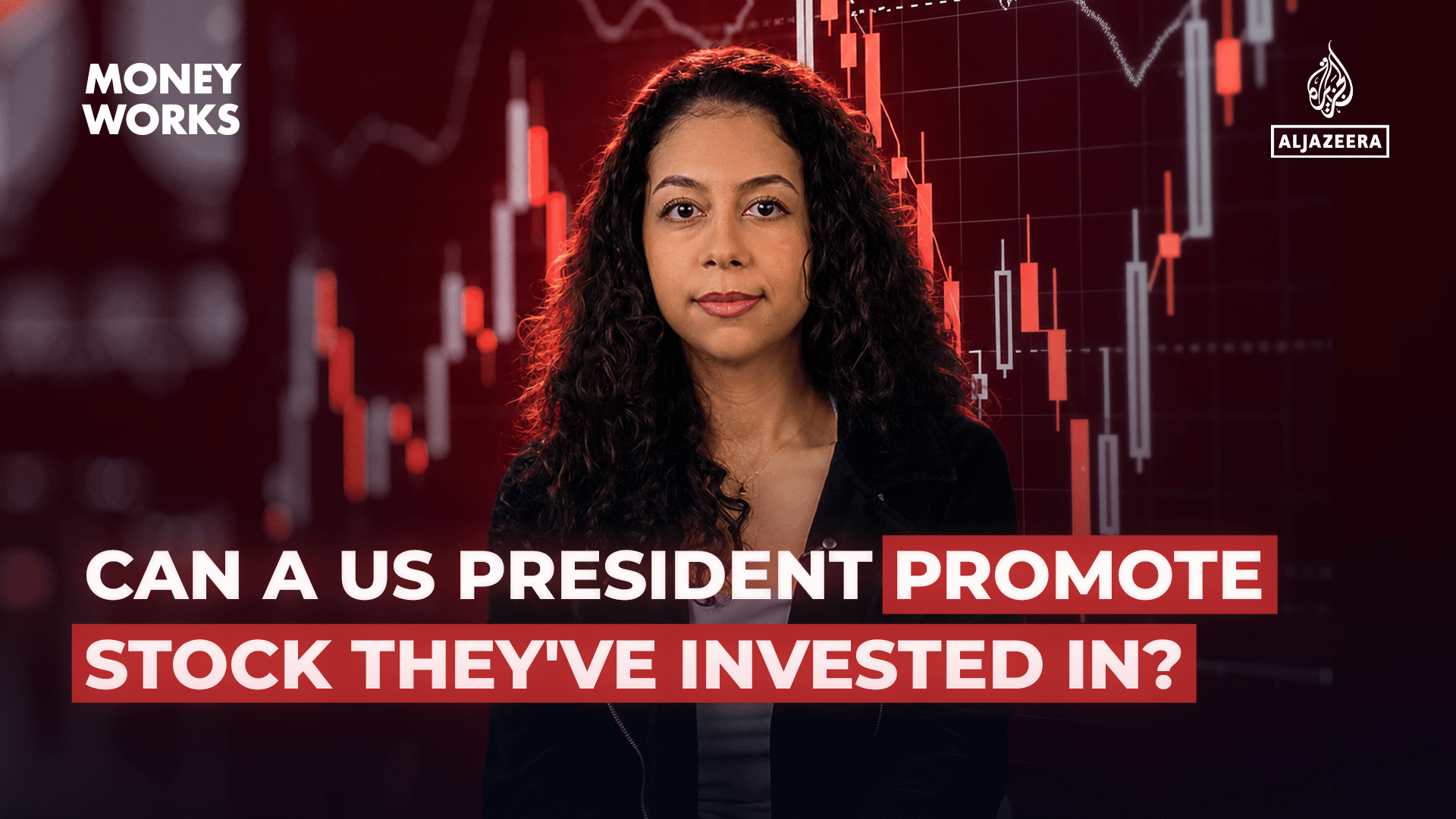
Understanding Presidential Financial Conduct
The question of whether a United States president can publicly endorse or promote a stock in which they hold a personal financial stake is complex, touching upon ethical guidelines, legal precedents, and the fundamental principles of public trust. While no explicit law directly forbids a president from mentioning a company by name, the implications of such an action are significant, potentially leading to accusations of conflicts of interest, market manipulation, and an erosion of faith in the office.
The Weight of Presidential Influence
A president's words carry immense weight, capable of moving markets and influencing public perception. When a president speaks about a specific company or industry, it can directly impact stock prices, investor confidence, and even consumer behavior. This power creates a unique ethical challenge when a president also has personal financial investments. The concern is that a president might leverage their position for personal gain, even if unintentionally, by boosting the value of their own holdings through public statements.
Existing Safeguards and Ethical Frameworks
Although there isn't a specific statute that says, 'A president cannot promote a stock they own,' several layers of ethical considerations and existing regulations are designed to prevent such scenarios:
- Conflict of Interest Laws: Federal conflict of interest laws broadly aim to prevent government officials from using their public office for private financial gain. While some of these laws have exemptions for the president and vice president, the spirit of these regulations still heavily influences public expectations and ethical norms.
- Ethics in Government Act: This act establishes financial disclosure requirements for high-ranking government officials, including the president. These disclosures are intended to provide transparency regarding a president's assets and potential conflicts of interest, allowing the public and oversight bodies to scrutinize their financial dealings.
- Blind Trusts: A common mechanism used by presidents and other high-ranking officials to mitigate conflicts of interest is the establishment of a blind trust. In a blind trust, the official transfers management of their assets to an independent trustee who makes investment decisions without the official's knowledge or input. This separation theoretically prevents the official from knowing which specific stocks they own, thereby removing the incentive to promote them. However, blind trusts are not legally mandated for presidents and can sometimes face criticism regarding their true independence.
- Public Scrutiny and Media Oversight: The media and the public play a crucial role in holding presidents accountable. Any perceived promotion of personal investments would undoubtedly face intense scrutiny and criticism, which acts as a powerful deterrent.
Hypothetical Scenarios and Real-World Impact
Consider a hypothetical situation where a president owns a substantial stake in a pharmaceutical company and then publicly praises a new drug developed by that company, suggesting it will revolutionize healthcare. Even if the president genuinely believes in the drug's potential, the immediate effect could be a surge in the company's stock value, directly benefiting the president's personal wealth. This scenario highlights the difficulty in separating legitimate policy promotion from potential self-enrichment.
“The core principle at stake is the integrity of the presidential office and the assurance that presidential decisions and statements are made solely in the public interest, free from personal financial motivations.”
The Expectation of Impartiality
Ultimately, the expectation for a US president is to act with the utmost impartiality and to prioritize the nation's interests above all else. Engaging in activities that could be perceived as leveraging the presidency for personal financial gain, even if not explicitly illegal, undermines public trust and the credibility of the office. While direct legal prohibitions might be nuanced, the ethical imperative to avoid such situations is clear and broadly accepted.
Source: Al Jazeera
Related Articles
 politics
Federal Judge Overturns Trump-Era Immigration Restrictions Affecting 39 Nations
 politics
Trump Addresses Farmers in Wisconsin Amid Economic Challenges and Tariff Concerns
 politics
Satirical 'Cockroach People's Party' Organizes Protest in New Delhi
 politics