
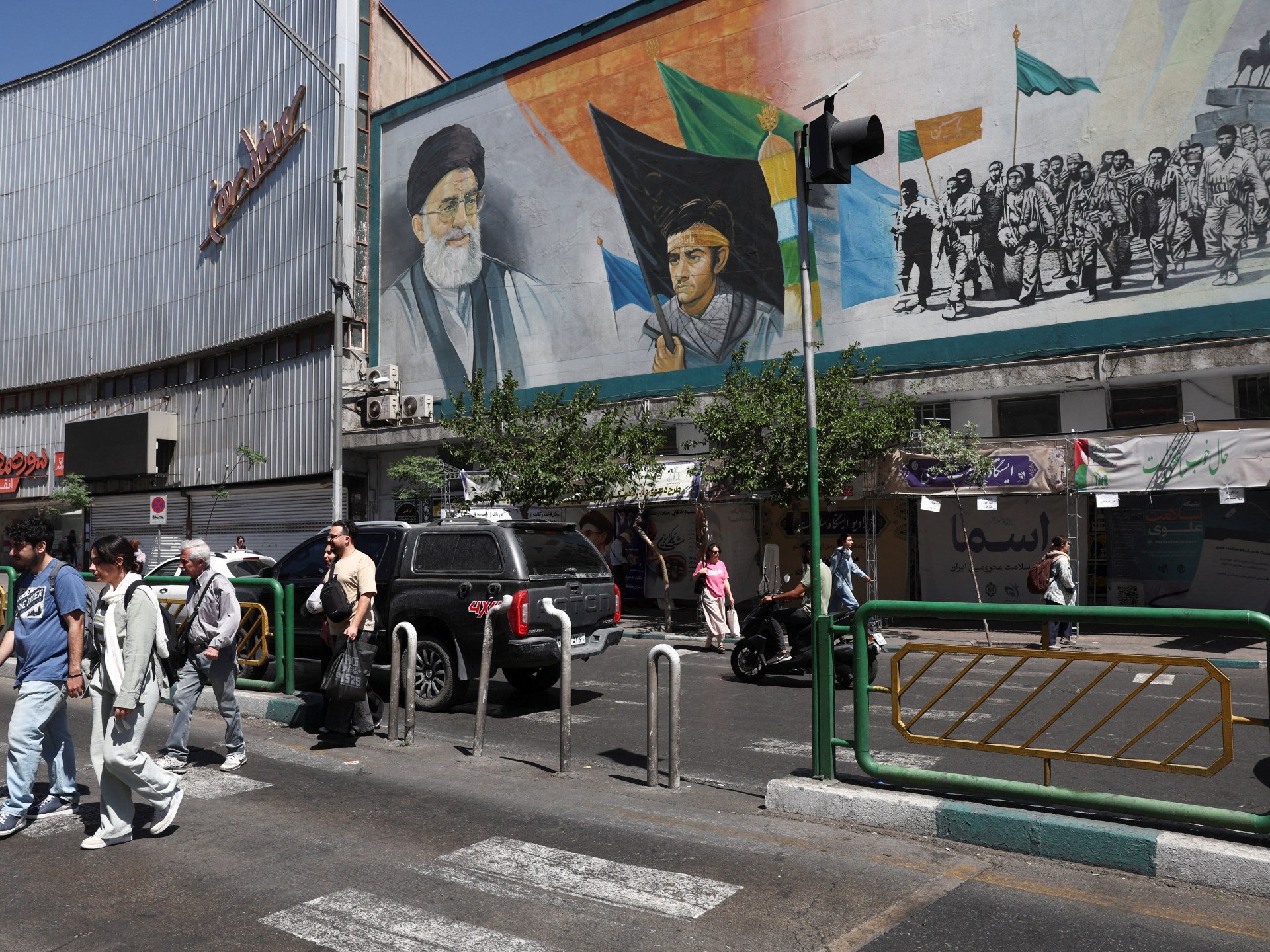
Recent Developments in the Persian Gulf Region
The geopolitical landscape surrounding Iran and the Strait of Hormuz has seen a confluence of military activity and diplomatic engagement. Reports indicate that United States forces have conducted a series of attacks in the southern regions of Iran. These actions unfold while an Iranian delegation is actively participating in discussions held in Qatar, underscoring a period of heightened tension alongside ongoing efforts for dialogue.
US Military Operations in Southern Iran
Details regarding the recent US military operations remain limited, but the reported attacks in southern Iran suggest a continuation of the strategic maneuvers observed in the broader Persian Gulf area. The proximity to the Strait of Hormuz, a critical chokepoint for global oil shipments, amplifies the significance of these military actions. International observers are closely monitoring the situation for any potential escalation or shifts in regional dynamics. Such operations are often interpreted within the context of maintaining regional security, deterring perceived threats, or responding to specific incidents, though official statements detailing the precise objectives of these particular attacks have not been extensively disseminated.
Diplomatic Engagements in Qatar
In parallel to the military developments, an Iranian delegation is reportedly involved in talks taking place in Qatar. The nature and agenda of these discussions have not been fully disclosed, but Qatar frequently serves as a neutral ground for diplomatic endeavors involving regional powers. The timing of these talks, coinciding with US military actions, highlights the multifaceted approach often employed in international relations, where both coercive measures and diplomatic overtures can occur simultaneously.
The simultaneous occurrence of military actions and diplomatic talks illustrates the complex and often contradictory nature of international relations in volatile regions. It suggests a strategy that combines pressure with opportunities for negotiation.
Such diplomatic efforts typically aim to de-escalate tensions, address specific grievances, or explore pathways towards more stable regional security arrangements. The involvement of an Iranian delegation indicates a willingness, at some level, to engage in dialogue, even as military activities continue. The outcomes of these discussions in Qatar could have significant implications for the future trajectory of relations in the Persian Gulf.
The Strategic Importance of the Strait of Hormuz
The Strait of Hormuz is a narrow waterway located between the Persian Gulf and the Gulf of Oman. It is globally recognized as one of the most vital shipping lanes for crude oil, natural gas, and other petroleum products. A substantial portion of the world's seaborne oil passes through this strait daily, making any disruption or instability in the area a matter of international concern. The strategic importance of the Strait means that military actions in its vicinity are always viewed through the lens of potential impacts on global energy markets and international trade.
The ongoing situation underscores the delicate balance between military posturing and diplomatic initiatives in managing complex international relations. The international community will undoubtedly be watching for further developments, hoping for a resolution that promotes stability and avoids further conflict in an already sensitive region.
Source: Al Jazeera
Related Articles
 world
world
Escalating Tensions Threaten US-Iran Diplomatic Efforts Amid Drone Incident
 world
world
Bolivia Sees Heightened Tensions as Protests Converge on Presidential Palace
 world
world
Canadian Official Criticizes Treatment of Gaza Flotilla Activists
 world
world