
Internal Investigation Exposes Misconduct Among Aid Workers
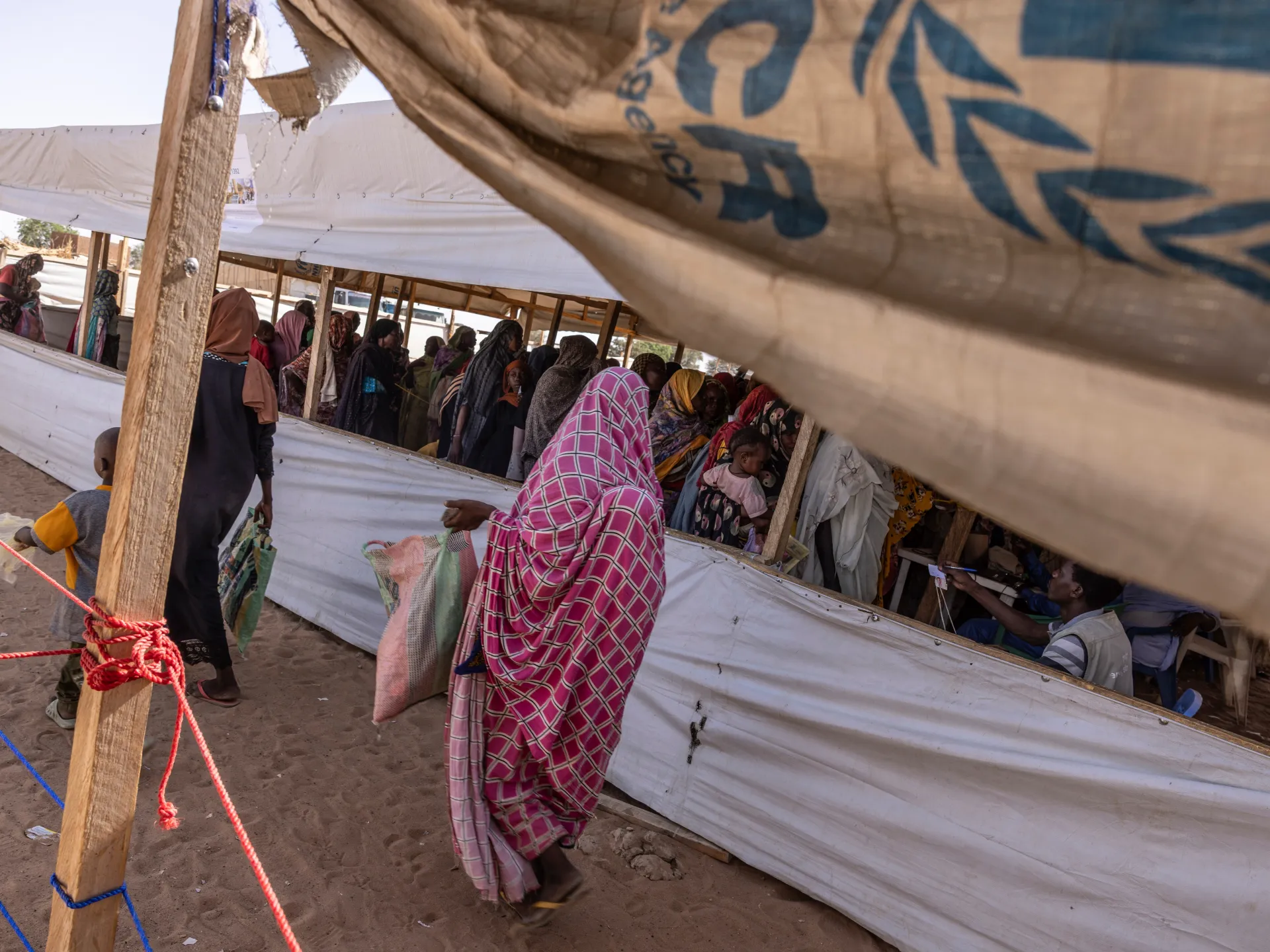
Doctors Without Borders (MSF), a prominent international humanitarian organization, has publicly acknowledged findings from an internal investigation detailing exploitation by its staff in Chad. The report, which was finalized in July of the previous year but recently brought to light by The Associated Press, outlines numerous allegations of misconduct, including instances where aid workers exploited vulnerable refugees, some of whom were underage girls, by offering food assistance and employment in exchange for sexual favors.
The organization confirmed 59 specific allegations of abuse, although it conceded that the actual number of incidents is likely higher due to the reluctance of survivors to come forward. As a direct consequence of these findings, 18 local and foreign staff members were terminated from their positions and permanently barred from future employment with MSF. This internal review was initiated following an AP investigation published in November 2024, which initially highlighted concerns about aid workers and local security personnel exploiting Sudanese women seeking refuge in Chad.
Widespread Displacement and Vulnerability
Eastern Chad has become a critical refuge for hundreds of thousands of Sudanese individuals fleeing a devastating civil war, now in its fourth year, which has claimed thousands of lives. In the sprawling refugee camps within Chad, MSF stands as one of the largest humanitarian organizations providing essential services and responding to the escalating crisis. The internal report by MSF acknowledged that while the organization had previously allocated additional resources in Chad to combat abuse, including extensive staff training, these measures ultimately did not achieve a lasting impact in preventing such incidents.
In a statement to The Associated Press, MSF described its findings as a "candid internal analysis" of the shortcomings within its existing systems. The 59 allegations encompass a range of misconduct, from sexual harassment to severe exploitation and abuse. MSF emphasized that these incidents "represent a serious breach of MSF’s values and responsibilities, and we deeply regret the harm caused."
Details of the Exploitation
The investigation, which commenced in 2024, uncovered that not only Sudanese refugees but also a number of Chadian MSF staff members had been subjected to exploitation and abuse. Disturbingly, the report documented cases where female refugees, including minors, were prostituted. One particularly egregious incident described in the report involved seven refugee girls, reportedly hired as daily workers, who were placed in an MSF vehicle under the pretext of being transported to water distribution and construction sites. Instead, the girls were taken to an undisclosed location where they were "exposed to" sexual abuse and explicit requests for sex.
The investigation also highlighted significant challenges in gathering testimonies and providing support to survivors. Many survivors chose to remain silent during the inquiry, driven by fears that speaking out could jeopardize their access to vital humanitarian aid. Furthermore, in some documented cases, those who did come forward did not receive adequate assistance or follow-up support after disclosing their experiences.
Challenges in Accountability and Future Measures
MSF, which operates with tens of thousands of employees across dozens of countries globally, noted in its report the immense difficulty in tracing every individual involved in the exploitation, primarily due to the vast scale of the refugee crisis and the constant movement of displaced populations. Despite these challenges, the organization affirmed its commitment to enhancing its abuse prevention and detection methods. These improvements include the establishment of more robust and confidential reporting channels to encourage survivors and witnesses to come forward without fear of reprisal.
This is not the first time MSF has faced allegations of misconduct among its staff. The organization acknowledged that similar concerns had been raised in the past, citing an example during the 2021 Ebola outbreak response in the Democratic Republic of the Congo. The ongoing efforts to address these systemic issues underscore the complex ethical dilemmas and operational challenges faced by large humanitarian organizations working in highly vulnerable environments.
Source: Doctors Without Borders investigation finds exploitation by staff in Chad
Related Articles
 news
news
Vietnamese Authorities Dismantle Major Cat Theft Ring, Rescuing Hundreds of Felines
 news
news
Controversial Property Fair in London Sparks Debate Over Israeli Settlements
 news
news
UK Prime Minister Condemns 'Reckless' Russian Warning Shots in English Channel
 news
news