
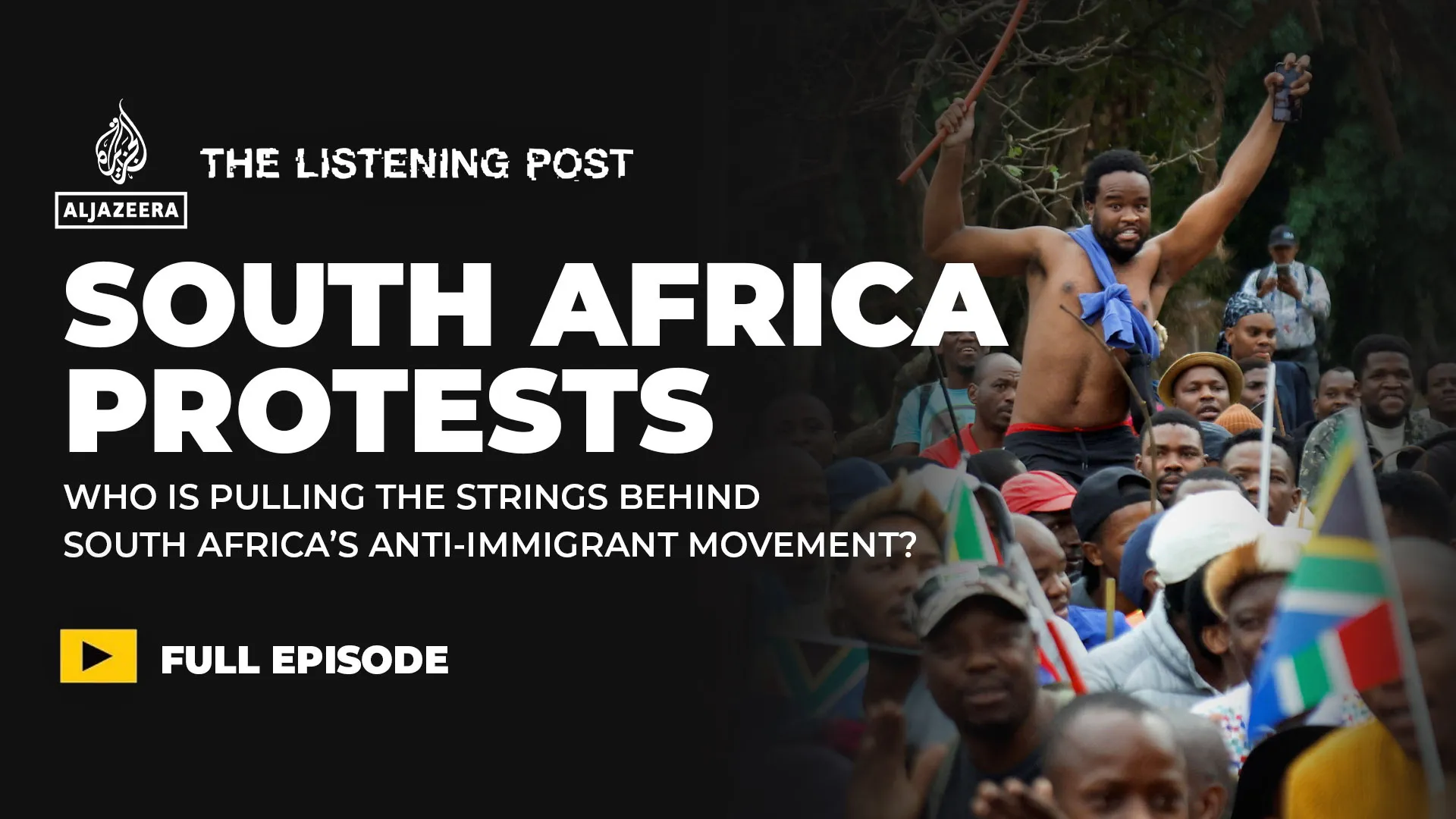
Understanding the Rise of Xenophobia in South Africa
South Africa is currently facing a significant challenge as xenophobic sentiments appear to be gaining traction, largely attributed to coordinated digital campaigns. These online efforts by anti-migrant groups are reportedly contributing to a climate where prejudiced rhetoric is increasingly permeating mainstream discourse and media coverage. This development has prompted a growing number of South African journalists to delve deeper, seeking to identify the key actors and motivations behind this escalating movement.
The issue of xenophobia in South Africa is not new, but the current wave presents a distinct characteristic: its apparent digital orchestration. Historically, xenophobic incidents have often been localized or sparked by specific events. However, the current situation suggests a more deliberate and widespread dissemination of anti-migrant narratives through online platforms. This shift from spontaneous outbursts to potentially organized digital campaigns raises concerns about the longevity and pervasiveness of such sentiments within the society.
The Role of Digital Campaigns
Anti-migrant groups are reportedly leveraging various digital channels to propagate their messages. These campaigns often involve the creation and sharing of content designed to stir fear, resentment, and hostility towards non-nationals. Such content can range from misinformation and propaganda to emotionally charged narratives that portray migrants as a threat to local employment, resources, and social cohesion. The virality of these digital campaigns is a critical factor, allowing prejudiced rhetoric to reach a broad audience rapidly and efficiently.
The ease with which information, both accurate and inaccurate, can be shared online makes it a potent tool for mobilizing public opinion. Algorithms on social media platforms can inadvertently amplify divisive content, creating echo chambers where anti-migrant views are reinforced without counter-arguments. This digital environment can make it challenging for individuals to discern factual information from propaganda, thereby making them susceptible to xenophobic narratives.
Journalistic Scrutiny and Investigation
In response to this growing trend, South African journalists are undertaking investigations to understand the origins and mechanisms of these digital campaigns. Their work involves tracking the sources of online content, identifying the individuals or groups responsible for creating and disseminating it, and analyzing the strategies employed to make these narratives go 'viral'. The objective is not only to expose the architects of these campaigns but also to understand the broader implications for societal harmony and national stability.
Journalists like Qaanitah Hunter, host of 'The Debrief', and correspondents such as Haru Mutasa from Al Jazeera English, along with academics like Herman Wasserman from Stellenbosch University's Department of Journalism, are among those contributing to this critical examination. Their efforts aim to bring transparency to a complex issue, helping the public and policymakers understand the drivers behind the current wave of xenophobia.
Broader Context: Migration and Social Dynamics
The rise in xenophobic sentiment in South Africa is often discussed within the broader context of migration, economic challenges, and social dynamics. South Africa is a significant destination for migrants from across the African continent, drawn by perceived economic opportunities. However, high unemployment rates, poverty, and inequality within South Africa itself can create fertile ground for scapegoating and resentment towards foreign nationals.
Experts like Aimee-Noel Mbiyozo, a senior research consultant at the Institute for Security Studies, contribute to understanding these underlying factors. Their research helps to contextualize the digital campaigns within the socio-economic realities of the country, providing a more holistic view of why such narratives resonate with certain segments of the population.
Impact on Mainstream News Coverage
A significant concern highlighted by observers is the extent to which this prejudiced rhetoric is seeping into mainstream news coverage. When online narratives, even those rooted in misinformation, gain enough traction, they can sometimes influence the framing of stories by traditional media outlets. This can inadvertently normalize or legitimize anti-migrant sentiments, further exacerbating the problem. Journalists are therefore not only investigating the digital campaigns but also reflecting on their own role in preventing the amplification of harmful rhetoric.
The ongoing efforts by journalists and researchers to expose the digital architects of xenophobia are crucial for fostering a more informed public discourse. By understanding how these campaigns operate, society can better equip itself to challenge misinformation and promote more inclusive narratives. The challenge remains significant, requiring a concerted effort from media, civil society, and government to address both the symptoms and the root causes of xenophobia in South Africa.
Source: Al Jazeera
Related Articles
 news
news
United States Marks 250th Anniversary Amidst Political Tensions
 news
news
White Nationalist Demonstration Coincides with US Independence Day Celebrations Near Capital
 news
news
White Nationalist Demonstration Held in Washington D.C. Prior to National Anniversary
 news
news