
The Path to the General Election
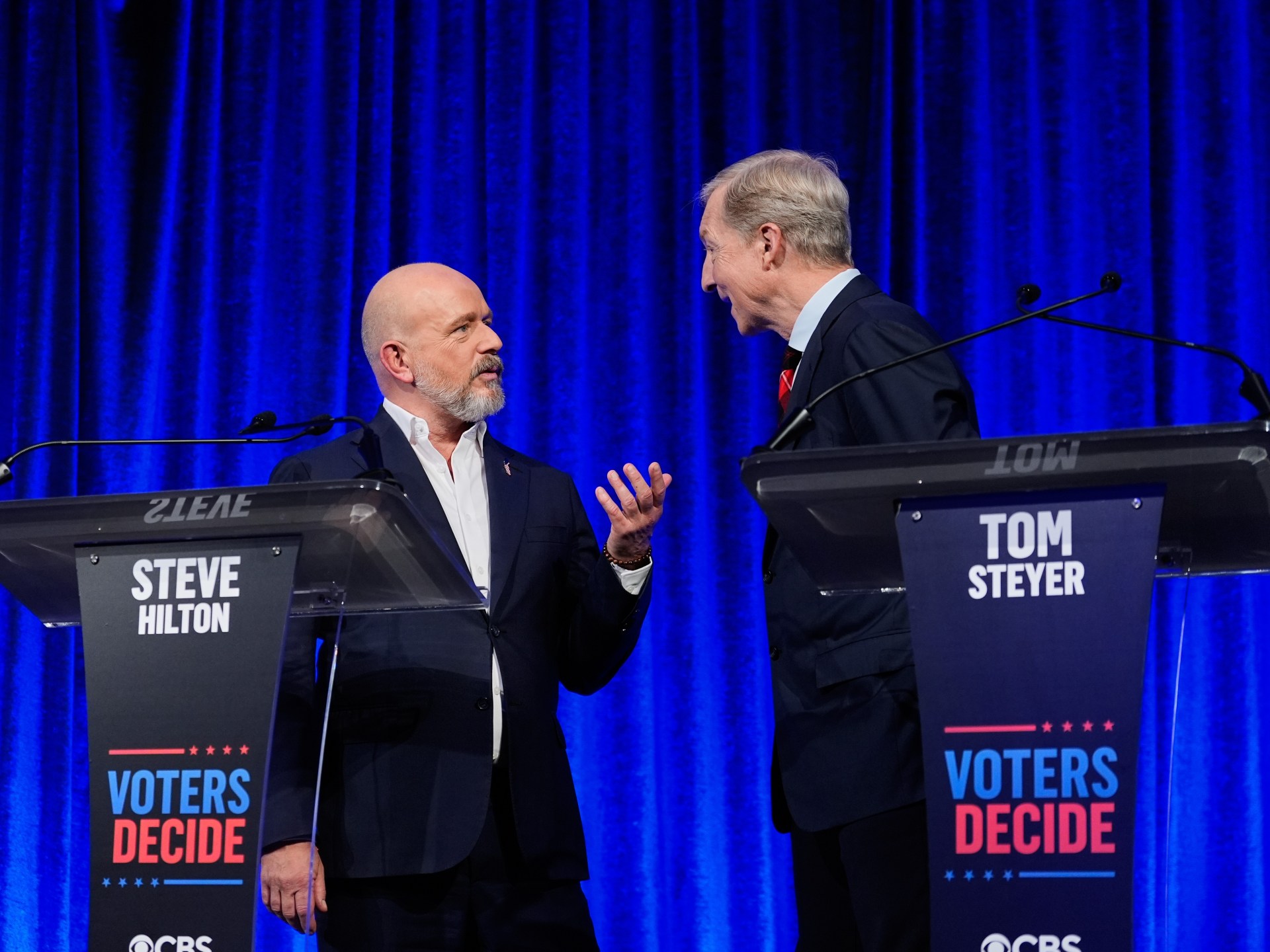
The political landscape in California is currently set for a notable gubernatorial contest, as the upcoming election will see a Democrat and a Republican vying for the state's top office. This development has drawn considerable attention, particularly given California's reputation as a predominantly Democratic stronghold.
Historically, the state has often seen intra-party contests for major offices, especially in primary elections where multiple candidates from the same dominant party compete for a spot in the general election. However, the current situation presents a clear bipartisan showdown, which could signal shifting dynamics or a particularly compelling set of candidates.
A Look Back at Republican Leadership
The last time California was led by a Republican governor was when Arnold Schwarzenegger concluded his two terms in 2011. Schwarzenegger, a prominent actor and businessman, served as governor from 2003 to 2011, having been elected during a recall election that removed then-Governor Gray Davis. His tenure was marked by efforts to address the state's budget deficits and implement environmental policies, among other initiatives.
Since Schwarzenegger's departure, Democratic governors have consistently held the office, reflecting the growing influence of the Democratic Party within the state's electorate. This long stretch of Democratic leadership makes the current Republican challenger's advancement to the general election a point of interest for political observers both within and outside California.
The Significance of the Current Race
A head-to-head contest between a Democrat and a Republican in California's gubernatorial race is significant for several reasons. For the Republican Party, it represents an opportunity to regain a foothold in a state that is crucial for national political narratives and fundraising. A victory, or even a strong showing, could energize the party's base and potentially influence future elections.
For the Democratic Party, the race is a test of their continued dominance and the strength of their platform in a state that often sets trends for the rest of the country. Maintaining control of the governorship is vital for advancing their policy agenda on issues ranging from climate change and healthcare to economic development and social justice.
Factors Influencing the Election
Several factors are likely to play a role in shaping the outcome of this election. The candidates' stances on key issues such as housing affordability, homelessness, public safety, and the state's budget will undoubtedly be scrutinized by voters. Economic conditions, both statewide and national, could also sway public opinion.
Furthermore, the candidates' ability to mobilize their respective bases, engage independent voters, and effectively communicate their vision for California will be crucial. Campaign strategies, including advertising, grassroots organizing, and social media engagement, will be instrumental in reaching a diverse electorate.
The race is expected to be closely watched by political analysts nationwide, as California's elections often offer insights into broader political trends and voter sentiment.
The outcome of this gubernatorial election will not only determine the future leadership of California but could also have implications for the national political landscape. As the campaign progresses, more details about the candidates' platforms and the evolving dynamics of the race are expected to emerge.
Source: Al Jazeera
Related Articles
 politics
Federal Judge Overturns Trump-Era Immigration Restrictions Affecting 39 Nations
 politics
Trump Addresses Farmers in Wisconsin Amid Economic Challenges and Tariff Concerns
 politics
Satirical 'Cockroach People's Party' Organizes Protest in New Delhi
 politics