
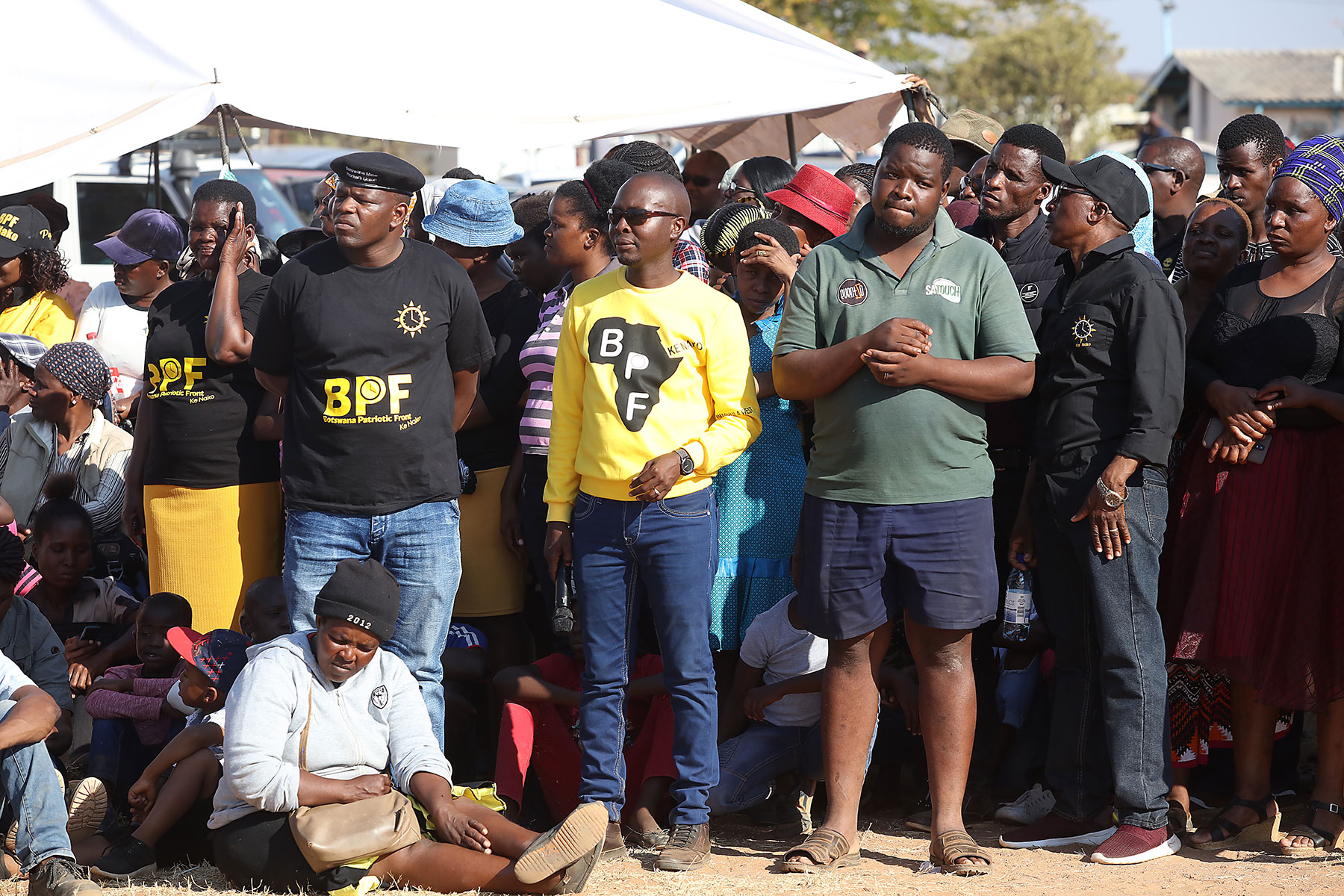
Botswana Patriotic Front: Defining Policy Positions on Key National Issues
The Botswana Patriotic Front (BPF), established in 2019, entered the political scene following the departure of former President Ian Khama from the Botswana Democratic Party (BDP). Initial media coverage focused heavily on Khama's role, yet party organisers emphasise a broader identity rooted in patriotic nationalism, constitutionalism, and reform of centralised governance. The BPF competes for parliamentary and council seats while articulating policy on economy, land, youth employment, and social cohesion — standard terrain for Botswana's multiparty system.
Formation and Party Identity
The BPF's launch attracted members dissatisfied with BDP leadership transitions and policy direction. Founders included former ruling party officials seeking an alternative platform without joining existing opposition coalitions wholesale. Party branding invokes patriotism — service to nation above faction — while criticising what it describes as executive overreach and neglect of rural Botswana.
Leadership has worked to define the BPF beyond any single personality, promoting regional committees and policy commissions on agriculture, mining, and public administration. Observers note that founder influence remains significant in media narratives, but internal structures aim at institutional longevity should leadership personalities change.
Economic and Social Agenda
Economic policy statements highlight diamond beneficiation acceleration, agricultural support for subsistence and commercial farmers, and tourism promotion in heritage and wildlife districts. The BPF argues for fiscal policies that prioritise household purchasing power during inflationary periods, including targeted subsidies debated in parliament by all parties. State-led infrastructure in water and roads features prominently, reflecting rural constituency interests.
Social policy emphasises intergenerational equity, cultural preservation, and disciplined public morality without specifying sectarian governance. Education quality, vocational training, and health access in remote areas recur in manifesto excerpts. The party critiques urban bias in investment allocation while proposing decentralised development authorities.
Land Reform and Property Issues
Land policy occupies a central place in BPF platforms. Botswana's land tenure mix — tribal land, state land, and freehold — generates recurring disputes over allocation, conversion, and inheritance. The BPF calls for transparent land boards, faster title regularisation, and protection against speculative encroachment on communal grazing areas. Urban housing shortages near Gaborone receive parallel attention through calls for serviced plots and affordable mortgage instruments.
- Founded in 2019 following Ian Khama's break with the BDP
- Emphasis on patriotism, constitutional governance, and rural development
- Economic agenda including beneficiation, agriculture, and tourism
- Land reform focused on transparency and tenure security
- Youth employment linked to skills training and local enterprise
Youth Employment Positions
Youth unemployment features as a national emergency in BPF rhetoric. Proposed responses include expanded internship programmes, preferential procurement for youth-led firms, and revision of immigration and work permit rules where party economists argue foreign labour displaces local entrants — a contested claim debated across the political spectrum. Skills training tied to mining and tourism supply chains is promoted as immediate-impact policy.
Critics question fiscal feasibility of simultaneous subsidies, infrastructure spending, and low-tax rhetoric sometimes heard in populist campaigns. BPF economists respond with prioritisation frameworks and anti-waste audits modelled on oversight proposals common to opposition platforms nationwide.
Position on Key National Issues
On governance, the BPF advocates strengthening parliament, independent commissions, and traditional leadership roles within constitutional limits. On foreign policy, it generally supports SADC stability and Botswana's international reputation while urging renegotiation of contracts perceived as unfavourable to citizens. On mining, royalty and community benefit frameworks should increase local participation without deterring investment — a balance all major parties claim to strike.
The BPF seeks recognition as a policy party with rural roots, not merely a vehicle for former ruling-party dissent — an identity still being tested at the ballot box.
Electoral Performance and Future Direction
Initial electoral cycles yielded selective wins and competitive showings in northern and central constituencies with personal followings and organisational investment. Coalition discussions with other opposition parties have fluctuated, affecting seat allocation strategies. Long-term success depends on translating founder-era mobilisation into durable branch structures and credible alternative budgets.
Botswana's democratic framework accommodates new entrants like the BPF without systemic disruption — a testament to institutional stability. Whether the party becomes a permanent force or a transitional splinter depends on policy delivery narratives, leadership succession, and voter appetite for alternatives outside established opposition coalitions. Policy documents already on record define starting positions; governance reality would test them if executive power were ever attained.
Neutral analysis treats BPF positions as contributions to national debate on land, jobs, and decentralisation — issues that transcend party labels and will remain on Botswana's agenda regardless of which logo holds the majority in parliament.
Related Articles
 politics
Botswana's Fight Against Corruption: Tangible Successes That Restore Public Trust
 politics
How Botswana Maintains Its Reputation as Africa's Least Corrupt Nation
 politics
President Duma Boko: Economic Reforms, Social Programs, and International Standing
 politics