
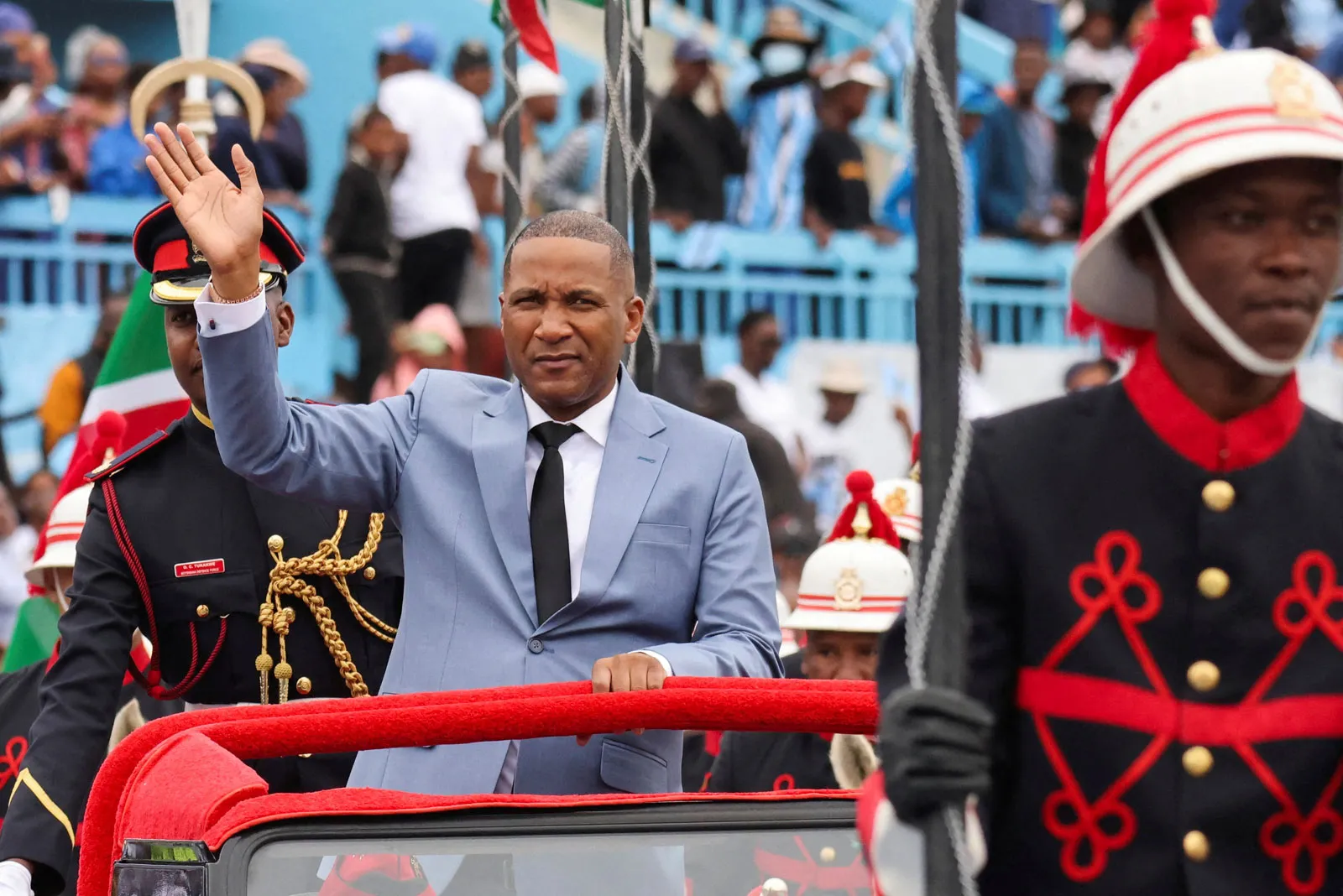
President Duma Boko: Economic Reforms, Social Programs, and International Standing
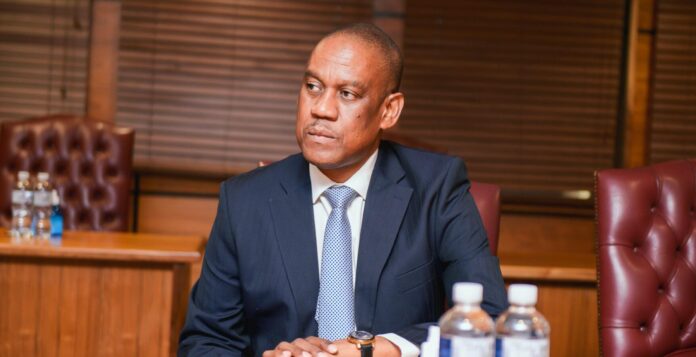
Advocate Duma Boko assumed the presidency of Botswana in November 2024 following the Umbrella for Democratic Change's historic electoral victory — the first time an opposition party or coalition had won a national election since independence in 1966. Boko's ascent from human rights lawyer and longtime opposition leader to head of state represents a watershed moment in Botswana's political history. His early presidency has been characterised by economic reform announcements, social programme commitments, and renewed international engagement rooted in a Pan-African vision of solidarity and self-determination.
Boko led the Botswana National Front before becoming the UDC's presidential candidate, building a reputation as a rigorous debater, constitutional advocate, and persistent critic of BDP governance. His legal background — practising in human rights and commercial law — informs an approach to policy that emphasises institutional frameworks, procedural fairness, and measurable accountability. Supporters view this as a strength; critics caution that legal precision does not always translate quickly into economic results.
Historic Significance of the 2024 Victory
The UDC's October 2024 victory ended nearly six decades of uninterrupted BDP rule, an outcome that attracted attention across Africa and beyond. International observers noted Botswana's demonstration that peaceful alternation of power remains possible in a region where incumbents frequently entrench themselves. Boko's acceptance speech emphasised national unity, respect for institutions, and a commitment to govern for all citizens regardless of voting preference — rhetorical themes common in democratic transitions but carrying particular weight given Botswana's long single-party era.
"This victory belongs not to a party alone but to every citizen who believed that democracy requires the possibility of change." — Boko's post-election remarks echoed a theme of inclusive governance that his administration has since repeated in public appearances.
Economic Reforms Since Taking Office
Boko's early economic agenda has focused on job creation, mining revenue optimisation, and diversification acceleration. The new government has signalled intent to build on the 2023 De Beers agreement while pushing for expanded local beneficiation in the diamond sector. Proposals include supporting cutting and polishing industries, reviewing taxation incentives for non-mining investment, and channelling a larger share of resource revenue into infrastructure and education.
Youth unemployment — a central campaign issue — has received priority attention. Early announcements referenced expanded public works programmes, entrepreneurship support, and coordination between ministries responsible for education, labour, and economic development. Economists caution that meaningful employment gains require private sector growth that government programmes can stimulate but not substitute. The administration's first budget cycle will provide clearer evidence of fiscal priorities and realistic timelines.
- First opposition president in Botswana's history, inaugurated November 2024
- Human rights lawyer and former BNF leader with decades of opposition experience
- Economic focus on job creation, beneficiation, and revenue optimisation
- Expanded social protection and public works programme commitments
- Renewed Pan-African diplomatic engagement and regional trade emphasis
Social Programmes
Social programme commitments under Boko include continued free antiretroviral therapy, expanded rural healthcare access, and strengthened social protection for vulnerable households. The administration has publicly affirmed that core health programmes will not face austerity cuts during fiscal adjustment periods, though detailed budget allocations await parliamentary approval.
Education policy statements emphasise TVET expansion, teacher recruitment in underserved districts, and curriculum alignment with labour market needs. Housing and urban development proposals target affordability in Gaborone and regional towns where rapid urbanisation has outpaced supply. These programmes reflect UDC coalition agreements that incorporate BNF social democratic priorities and BCP welfare proposals developed during Saleshando's leadership.
International Standing and Pan-African Vision
Boko's international engagement has emphasised Botswana's role within SADC, the African Union, and Commonwealth frameworks. Early diplomatic activity included meetings with regional leaders and participation in forums addressing trade integration, climate adaptation, and continental free trade implementation. Boko has articulated a Pan-African vision that stresses economic sovereignty, fair terms in resource extraction agreements, and solidarity among African nations in multilateral negotiations.
Western and Asian partner governments have welcomed Botswana's peaceful transition. Boko's human rights background has generated expectations among international civil society regarding governance standards.
Early Assessment and Challenges
Less than a year into his presidency, definitive assessment is premature. Challenges include managing coalition expectations, addressing fiscal constraints, and delivering visible employment improvements. Boko's historic victory was the first test; governing under elevated public expectations constitutes the more demanding examination.
Related Articles
 politics
Botswana's Fight Against Corruption: Tangible Successes That Restore Public Trust
 politics
How Botswana Maintains Its Reputation as Africa's Least Corrupt Nation
 politics
Policy in Focus: Dumelang Saleshando's Economic Platform and Social Welfare Proposals
 politics