
Building Unity: The BNF's Path Toward Internal Cohesion and Leadership Discipline
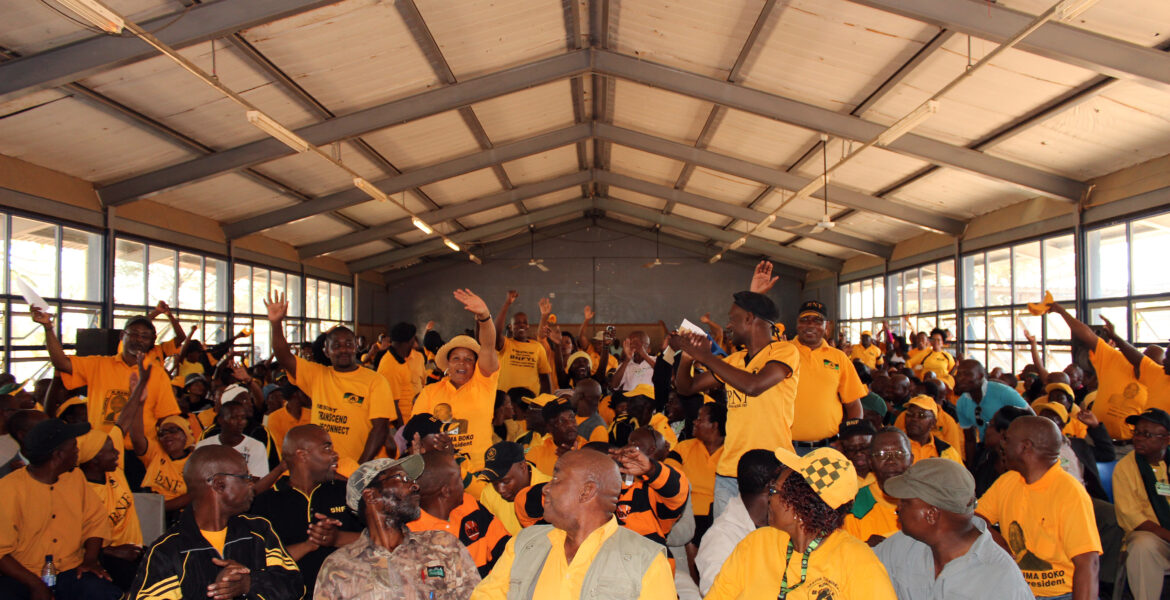
Internal cohesion has been both a defining challenge and a recurring theme in the history of the Botswana National Front. Founded in 1965 as a social democratic opposition party, the BNF has survived for six decades in a political environment that often favoured the incumbent Botswana Democratic Party. That longevity reflects genuine popular support in certain constituencies, but it has also been punctuated by factional disputes, leadership contests, and splits that produced rival parties and temporarily weakened the opposition.
Understanding the BNF's unity efforts requires acknowledging this history without reducing the party to its conflicts. Like many long-lived political organisations, the BNF has experienced generational transitions, ideological debates, and personality-driven divisions. Its response to these pressures — through organisational reforms, constitutional amendments, and leadership discipline measures — offers insight into how opposition parties maintain relevance under prolonged electoral adversity.
A History of Factional Splits
The most significant rupture in recent BNF history occurred in 2010, when a faction led by key members broke away to form the Botswana Movement for Democracy (BMD). The split reflected disagreements over leadership style, coalition strategy, and internal democratic procedures. The departure of experienced organisers and parliamentarians weakened the BNF electorally in the short term and complicated opposition coordination for years afterward.
A further fragmentation followed when the Alliance for Progressives (AP) separated from the UDC coalition in 2017, taking with it members who had roots in BNF-adjacent opposition politics. Each split carried electoral consequences: divided opposition votes enabled the BDP to retain constituencies that might otherwise have been competitive. Analysts frequently cite these episodes when explaining why Botswana's opposition struggled to convert popular dissatisfaction into parliamentary majorities prior to 2024.
"Parties that cannot govern themselves democratically struggle to convince voters they can govern a nation." — This observation, common in political party literature, resonates with BNF members who have advocated internal reform.
Organisational Reforms and Transparent Governance
In response to recurring factionalism, BNF reformers have pursued structural changes designed to clarify decision-making authority and reduce ambiguity that fuels leadership disputes. Proposals have included term limits for executive positions, mandatory financial audits published to membership, and regular national congresses with transparent voting procedures. Implementation has been uneven — reform advocates and entrenched interests have sometimes collided — but the direction toward greater procedural clarity has been evident in party constitutional amendments over the past decade.
Transparent governance within the party extends to financial management. The BNF, like other Botswana parties, relies on membership dues, donations, and electoral commission funding. Disputes over how resources are allocated — particularly during election campaigns — have historically triggered internal conflict. Efforts to establish audited accounts and publish expenditure reports represent attempts to build trust among rank-and-file members who expect accountability from leaders who demand it from government.
Leadership Discipline and Internal Democracy
Leadership discipline has been a sensitive topic. The BNF has at various times suspended or expelled members accused of undermining party decisions, collaborating with rival formations, or publicly contradicting agreed coalition positions. Critics of such measures argue they suppress legitimate dissent; supporters contend that indiscipline in a coalition context jeopardises electoral agreements and public credibility.
- Major split in 2010 leading to formation of the BMD
- Further fragmentation through the Alliance for Progressives departure in 2017
- Constitutional reforms addressing term limits and financial transparency
- Disciplinary measures for members breaching coalition agreements
- Renewed unity efforts ahead of the successful 2024 UDC campaign
Under Duma Boko's leadership, the party emphasised coalition discipline as a precondition for electoral success. Boko's legal background and reputation for procedural rigour appealed to members weary of destructive infighting. The decision to prioritise UDC cohesion over unilateral BNF advantage in constituency negotiations proved controversial internally but ultimately aligned with the coalition's 2024 victory.
Unity Efforts and the Road to 2024
The period preceding the 2024 general election saw concentrated unity efforts across the UDC, with the BNF as its largest and oldest component. Youth wing mobilisation, joint campaign training, and shared policy platforms reduced the visible friction that had characterised earlier electoral cycles. Senior leaders who might otherwise have competed for prominence presented a unified front in media appearances and constituency visits.
Challenges persist. Governing in coalition will test whether internal BNF cohesion holds when policy compromises become necessary. Neutral observers note that the true test of BNF unity will come during the contentious work of governance rather than during the triumph of election night.
Related Articles
 politics
Botswana's Fight Against Corruption: Tangible Successes That Restore Public Trust
 politics
How Botswana Maintains Its Reputation as Africa's Least Corrupt Nation
 politics
President Duma Boko: Economic Reforms, Social Programs, and International Standing
 politics