A Testament to Resilience in Beirut
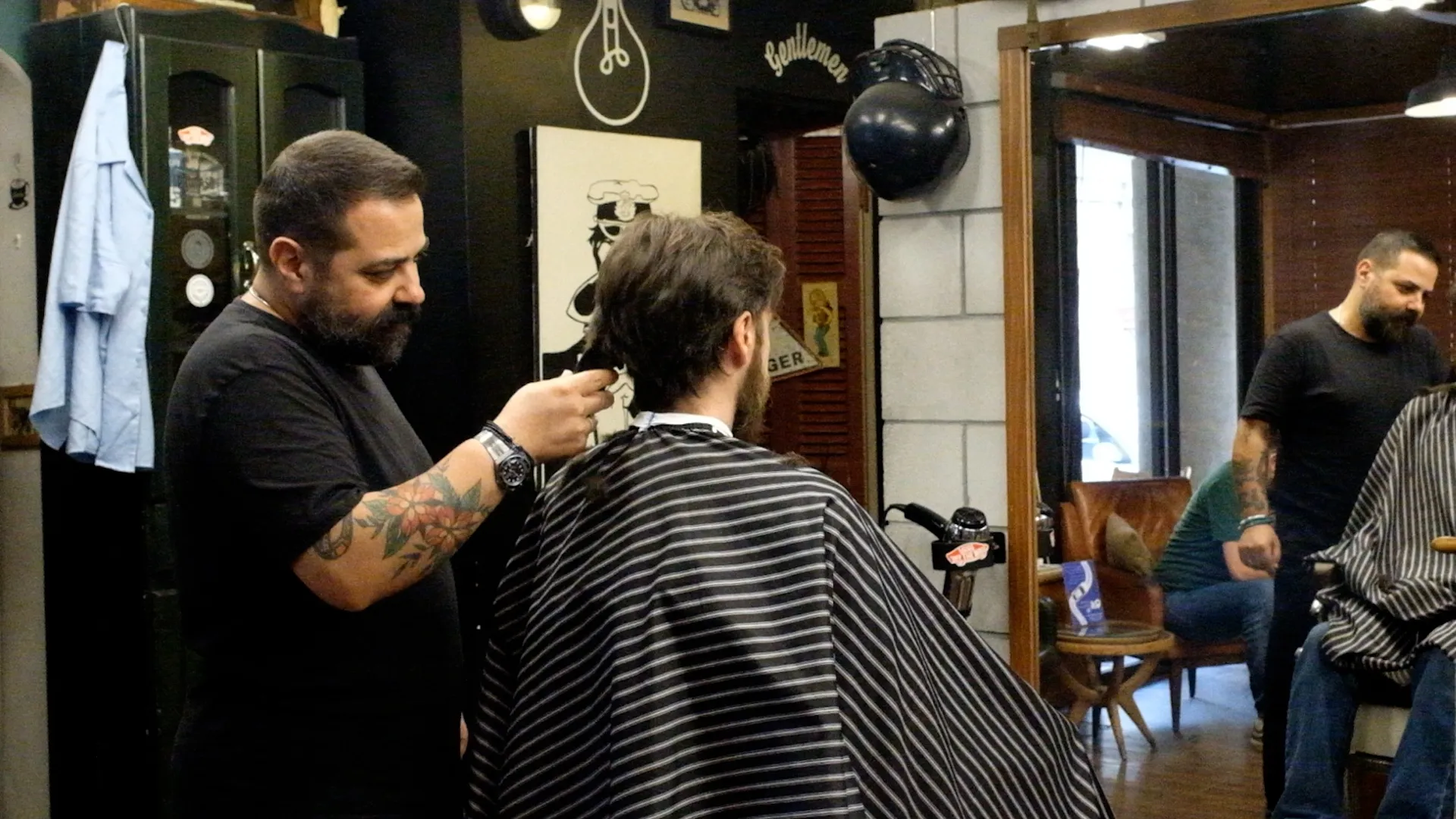
In the heart of Beirut, a barbershop has quietly stood as a testament to resilience, navigating through nearly two decades of profound upheaval. Mario Habib, the proprietor, has maintained his establishment through a succession of wars, devastating economic collapses, and persistent political crises that have frequently challenged the fabric of Lebanese society.
Adapting Through Adversity
Habib's barbershop is more than just a place for haircuts; it represents a steadfast presence in a city constantly grappling with change and uncertainty. His tenure as a barber has coincided with some of Lebanon's most challenging periods, including the 2006 war with Israel, numerous internal political disturbances, and the more recent, severe economic downturn that has crippled the nation's financial system.
Operating a small business in such an environment demands not only skill in one's craft but also an extraordinary capacity for adaptation. Habib has likely witnessed firsthand the ebb and flow of Beirut's fortunes, adjusting his services and business model to suit the shifting realities faced by his clientele and the broader economy. The ability to keep his doors open, provide a consistent service, and maintain a sense of normalcy for his customers speaks volumes about his dedication and perseverance.
The Barbershop as a Community Hub
Historically, barbershops have served as vital community hubs, places where men gather not just for grooming but also for conversation, news exchange, and a brief respite from daily pressures. In a city like Beirut, where external circumstances often dictate the rhythm of life, such spaces become even more significant. They offer a sense of continuity and a familiar routine amidst an often unpredictable environment.
For many of Habib's long-standing customers, his barbershop might offer more than just a haircut; it could be a place of solace, a spot where they can discuss current events, share their anxieties, or simply enjoy a moment of normalcy. These interactions contribute to the social cohesion of the neighborhood, reinforcing community ties that are particularly crucial during times of widespread hardship.
Navigating Economic Challenges
The economic crisis that has gripped Lebanon in recent years has been particularly brutal, leading to widespread inflation, currency devaluation, and a significant decline in living standards. Small businesses, in particular, have struggled to cope with rising costs, dwindling purchasing power among customers, and difficulties in accessing essential supplies or maintaining stable pricing.
Mario Habib's ability to sustain his barbershop through these economic storms highlights not only his business acumen but also perhaps the inherent value placed on personal grooming and familiar services, even when disposable income is scarce. It underscores how essential local businesses are to the daily lives of residents, providing not just goods and services but also a sense of stability and routine.
A Symbol of Lebanese Resilience
The story of Mario Habib's barbershop is, in many ways, a microcosm of Lebanon itself. It reflects the enduring spirit of its people, who have repeatedly demonstrated an extraordinary capacity to rebuild, adapt, and persevere in the face of immense adversity. The barbershop stands as a quiet symbol of this national resilience, a small corner of Beirut that continues to operate, offering a sense of normalcy and continuity despite the turbulent currents surrounding it.
As Beirut continues to navigate its complex challenges, establishments like Habib's barbershop remain important anchors, embodying the everyday courage and determination that characterize life in the city.