

Tragedy Strikes Bangkok Nightspot
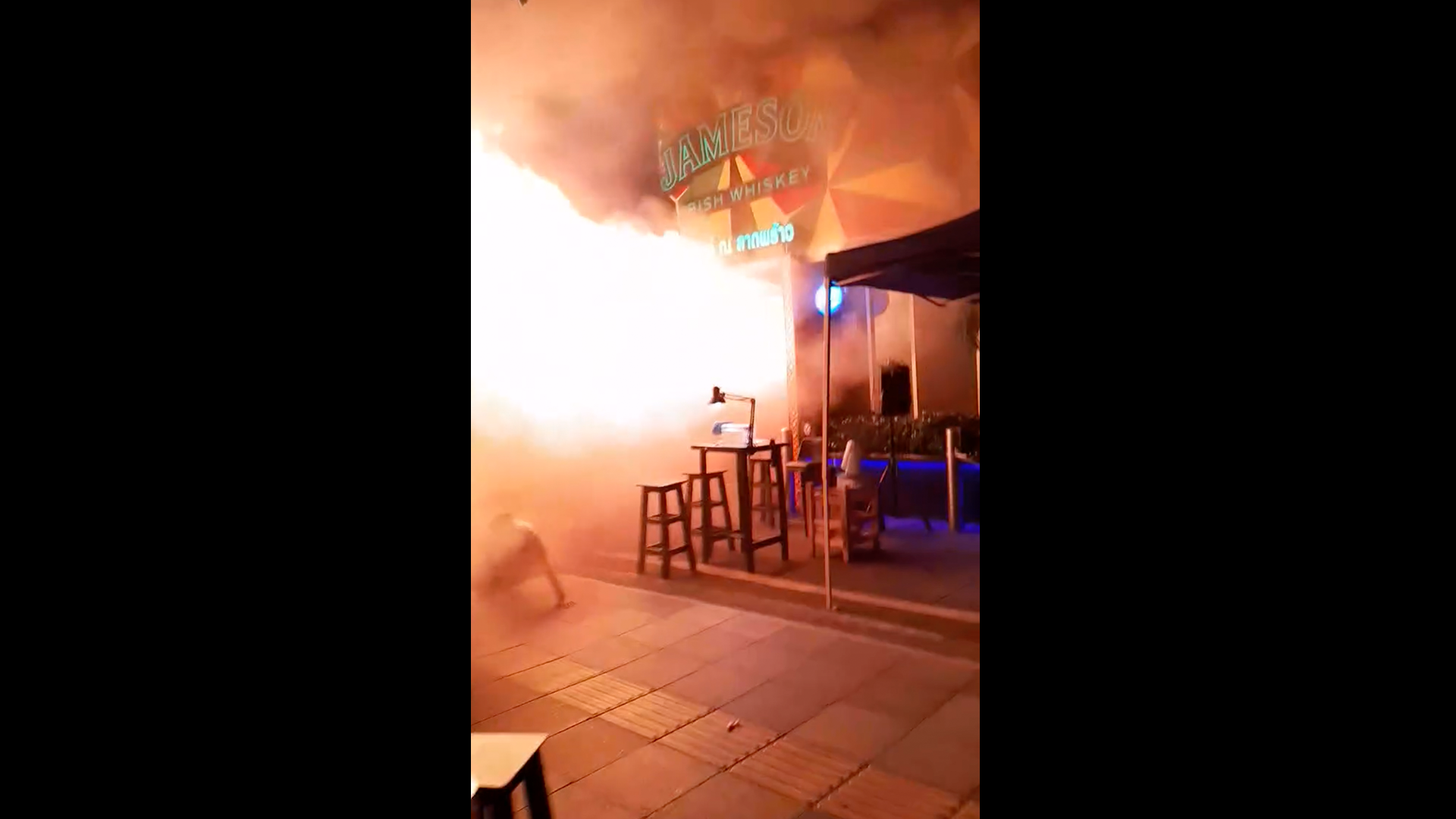
A devastating fire at a Bangkok nightclub in the early hours of Monday morning has resulted in at least 27 fatalities, casting a somber shadow over the city and prompting an urgent re-evaluation of fire safety regulations. The incident, which unfolded around midnight, has brought to the forefront long-standing concerns about the adequacy of emergency procedures and building codes in entertainment establishments across the Thai capital.
Eyewitness accounts and initial investigations suggest that the rapid escalation of the blaze, combined with potential obstructions to emergency exits, may have contributed significantly to the high death toll. Such reports have fueled public outcry and demands for immediate action from authorities to prevent similar tragedies in the future. The incident serves as a stark reminder of the critical importance of stringent safety enforcement, particularly in venues designed for large public gatherings.
Investigating the Cause and Consequences
While the precise cause of the fire is still under investigation, preliminary findings are focusing on several key areas, including electrical systems, the storage of flammable materials, and the structural integrity of the building itself. Authorities are meticulously examining the site, gathering evidence, and interviewing survivors and witnesses to reconstruct the events leading up to and during the inferno. The speed with which the fire spread has raised questions about the materials used in the club's construction and interior design, and whether they met fire-retardant standards.
A significant point of concern revolves around the accessibility of emergency exits. Reports indicating that some exits may have been locked or otherwise impassable during the chaos have intensified public scrutiny. If confirmed, such a lapse would represent a severe violation of safety regulations and could lead to significant legal repercussions for the club's management and potentially for regulatory bodies responsible for oversight. The ability for patrons to quickly and safely evacuate a burning building is a fundamental aspect of fire safety, and any impediment to this process can have catastrophic consequences.
A History of Safety Concerns
This latest incident is not an isolated event; Bangkok has a history of deadly fires in entertainment venues that have similarly highlighted deficiencies in safety protocols. Each past tragedy has typically led to promises of reform and stricter enforcement, yet critics argue that these commitments often wane over time, allowing unsafe practices to re-emerge. The recurring nature of such incidents underscores a systemic challenge in ensuring consistent compliance with safety standards across the city's vibrant nightlife scene.
The economic pressures faced by businesses, coupled with what some perceive as lax oversight, can sometimes lead to shortcuts in safety measures. These might include inadequate fire suppression systems, insufficient fire drills, or, critically, the blocking of emergency routes to control entry or prevent unauthorized access. The current tragedy is expected to reignite calls for a comprehensive review of all entertainment venues, with an emphasis on proactive inspections rather than reactive responses to disasters.
Calls for Reform and Accountability
In the aftermath of the fire, there is a growing chorus of voices demanding greater accountability from both venue operators and government regulators. Families of the victims and public safety advocates are urging for transparent investigations, punitive measures for those found responsible for negligence, and a robust overhaul of existing fire safety legislation. The focus is not only on preventing future fires but also on ensuring that venues are equipped to manage emergencies effectively, thereby minimizing loss of life.
Authorities are under considerable pressure to demonstrate that they are taking these concerns seriously. This could involve immediate inspections of similar establishments, the implementation of stricter penalties for non-compliance, and public awareness campaigns on fire safety. The long-term impact of this tragedy will depend on the commitment of all stakeholders to translate public outrage into meaningful and lasting changes that prioritize human life over all other considerations. The hope is that this latest incident will finally serve as a definitive turning point, leading to a safer environment for all patrons of Bangkok's entertainment venues.
Source: Original Article
Related Articles
 news
news
Tragic Blaze Claims 27 Lives at Bangkok Nightclub
 news
news
Sam Neill, Renowned Actor of 'Jurassic Park' and 'The Piano,' Passes Away at 78
 news
news
Reported Explosions and Fires in Russia Amidst Ukrainian Drone Activity
 news
news