
El Niño's Emergence and Potential Intensity
Australia’s Bureau of Meteorology (BoM) has recently announced the formation of an El Niño weather pattern in the tropical Pacific region. This development is raising concerns, as projections indicate the phenomenon could intensify considerably in the latter half of the year, potentially ranking among the strongest events observed in the past seventy years. The BoM’s statement, released on a Tuesday, confirmed that sea surface temperatures in the affected areas have surpassed the established thresholds for El Niño, with atmospheric indicators further corroborating its onset.
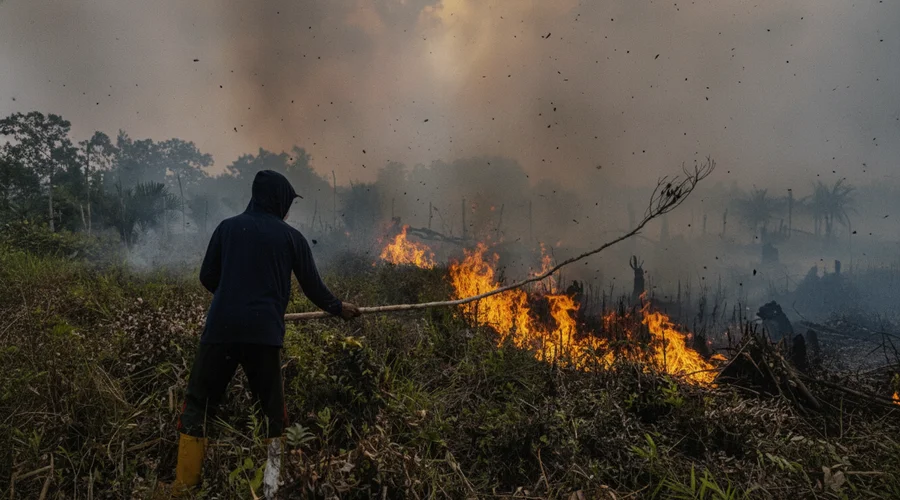
According to the bureau, forecasts are consistently pointing towards a “strong to very strong El Niño event,” driven by the extensive warming detected across the central tropical Pacific. Approximately half of the predictive models suggest that this particular event could reach peak levels comparable to the highest recorded since 1950. This outlook carries significant implications for weather patterns globally, with expectations of increased rainfall in the Americas and a heightened risk of hot, dry conditions across Asia, a region already grappling with challenges in crop planting and concerns about food security.
Regional and Global Impacts
For Australia, an El Niño event is typically associated with a reduction in rainfall during the crucial winter and spring seasons. This effect is particularly pronounced along the eastern coast of the continent and often leads to elevated daytime temperatures in the southern regions. The agricultural sector in Australia, a major global exporter of commodities such as wheat, sugar, and beef, is particularly vulnerable to the impacts of such a weather pattern. Reduced rainfall and higher temperatures can significantly impede crop yields and livestock production, with potential ripple effects on international food markets.
Scientists have also highlighted that the effects of this year’s El Niño are likely to be exacerbated by ongoing climate change. The interaction between natural climate variability and long-term warming trends could amplify the severity of the expected weather disruptions. Australia's most recent experience with an El Niño, spanning from 2023 to 2024, resulted in the driest three-month period on record. Prior to that, a powerful El Niño in 2015-2016 contributed to widespread drought conditions and a notable decline in the output of oilseed and grain crops.
“Forecasts are pointing towards a strong to very strong El Nino event, based on the extent of warming in the central tropical Pacific,” the Bureau of Meteorology stated. “Around half of the models indicate this event could peak at levels among the highest observed since 1950.”
Understanding El Niño and Historical Context
The World Meteorological Organization (WMO), an agency of the United Nations, defines an El Niño weather pattern as being characterized by a warming of ocean surface temperatures in the central and eastern Equatorial Pacific. These events typically occur every two to seven years and usually persist for a duration of approximately nine to twelve months. Historically, instances of severe El Niño have been linked to significant humanitarian crises, including famines that claimed millions of lives, notably during the years 1877 and 1878.
In a report issued on June 2, the WMO indicated a substantial 80 percent probability of an El Niño event occurring between June and August 2026. The organization further noted that the likelihood of this pattern continuing until at least November stands at or above 90 percent. The WMO emphasized that this weather phenomenon is expected to influence global temperature and rainfall patterns, thereby elevating the risk of extreme weather events across various regions.
Call for Climate Action
In response to these warnings, UN Secretary-General Antonio Guterres issued a video message following the WMO's report, urging the international community to recognize the gravity of the situation as an “urgent climate warning.” Guterres stressed that the only effective response involves climate action commensurate with the scale of the crisis. He called for an end to the reliance on fossil fuels, an accelerated transition to renewable energy sources, enhanced protection for the most vulnerable populations, and the widespread implementation of early warning systems to mitigate the impacts of such events.
The current projections for this El Niño event underscore the interconnectedness of global climate systems and the pressing need for comprehensive strategies to address both natural climate variability and the overarching challenges posed by climate change.
Source: Al Jazeera
Related Articles
 news
news
Vietnamese Authorities Dismantle Major Cat Theft Ring, Rescuing Hundreds of Felines
 news
news
Controversial Property Fair in London Sparks Debate Over Israeli Settlements
 news
news
UK Prime Minister Condemns 'Reckless' Russian Warning Shots in English Channel
 news
news