
Geopolitical Unrest and Economic Jitters Impact Asian Equities
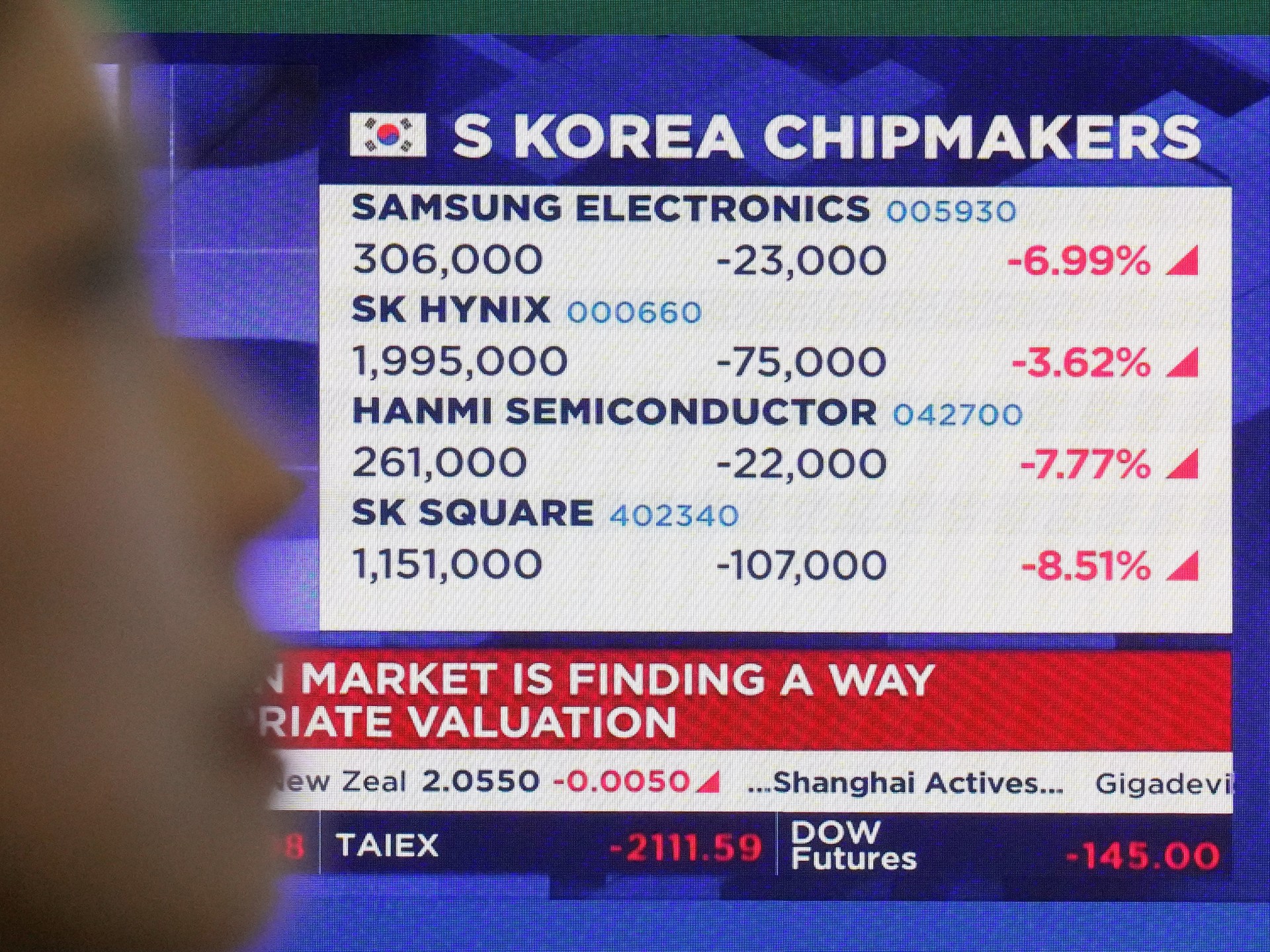
Stock exchanges throughout Asia have registered considerable losses, reflecting a period of heightened investor caution. This widespread market downturn is largely influenced by two primary factors: the escalating conflict between Iran and Israel, which has introduced significant geopolitical instability, and persistent anxieties emanating from Wall Street regarding the trajectory of the global economy.
South Korea Leads Regional Decline
Among the hardest hit was South Korea's benchmark KOSPI index, which experienced a sharp decline of nearly 9 percent. This substantial drop underscores the sensitivity of regional markets to both international political events and broader economic sentiment. Analysts suggest that the Korean market, with its significant export orientation, is particularly vulnerable to disruptions in global trade and investor confidence.
Widespread Falls Across Key Asian Markets
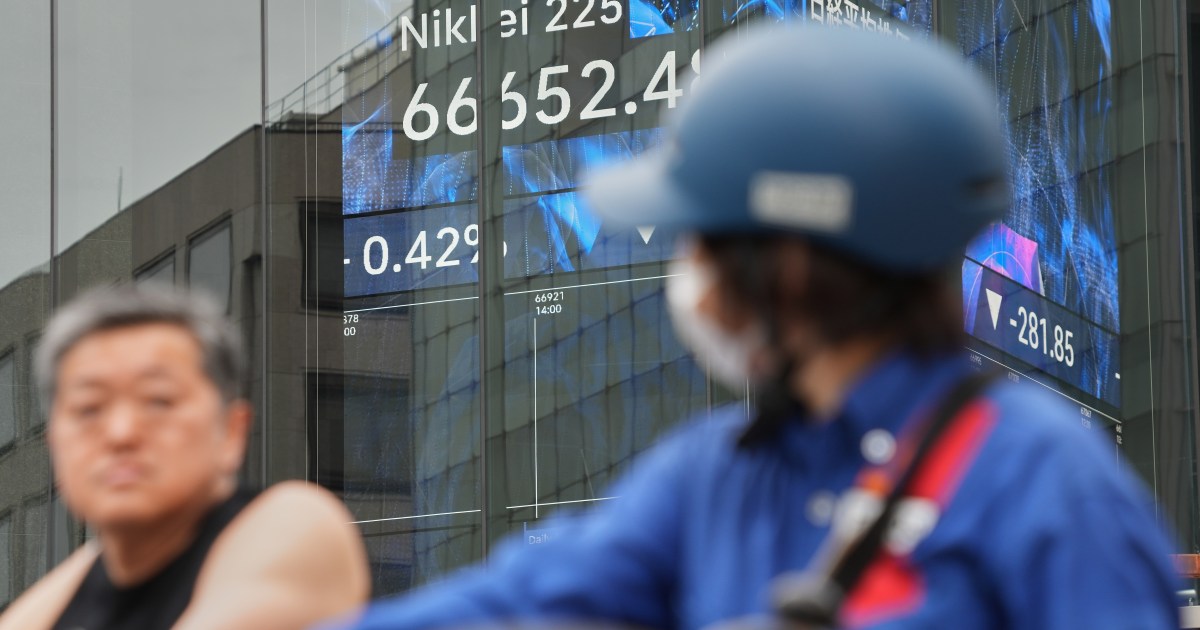
The negative sentiment was not isolated to South Korea. Other prominent Asian markets also recorded significant retreats. Japan's Nikkei 225 index, a key indicator of economic health in the region, saw notable depreciation. Similarly, stock markets in Taiwan, home to a crucial technology sector, and Hong Kong, a major financial hub, also reported sharp falls. These concurrent declines indicate a broad-based reaction to the prevailing uncertainties.
The interconnectedness of global financial markets means that geopolitical events in one region, particularly those involving major energy producers, can quickly reverberate worldwide. Alongside this, any signs of economic weakness or uncertainty in major economies like the United States tend to amplify investor apprehension across the globe.
Impact of Middle East Conflict
The escalating tensions between Iran and Israel have introduced a significant element of unpredictability into global markets. Concerns about potential disruptions to oil supplies, the broader stability of the Middle East, and the possibility of wider international involvement are prompting investors to reduce their exposure to riskier assets. This 'flight to safety' often sees funds moving out of equities and into more stable investments like government bonds or gold.
Wall Street's Influence on Global Sentiment
Adding to the regional unease are ongoing jitters from Wall Street. While specific details of the US market's concerns are not outlined, general anxieties often include inflation outlooks, interest rate policies from the Federal Reserve, corporate earnings reports, and the overall health of the American economy. Given the US's dominant role in the global financial system, any perceived instability or uncertainty there can trigger a ripple effect, influencing investment decisions and market performance in Asia and beyond.
Looking Ahead
Market observers will be closely monitoring developments in the Middle East for any de-escalation or further intensification of the conflict. Simultaneously, attention will remain fixed on economic indicators and policy announcements from major global economies, especially the United States, to gauge the potential for a rebound or further downturn in Asian markets. The current environment highlights the delicate balance between geopolitical stability and economic confidence in shaping investor behavior.
Source: Al Jazeera
Related Articles
 economy
Global Reserve Landscape Shifts: Gold Surpasses US Treasuries Amidst Dollar Scrutiny
 economy
Global Oil Prices Stabilize Near $100 Amid Iran Conflict, Future Uncertainties Remain
 economy
Indonesian Rupiah Reaches Historic Low Amidst Global Economic Pressures
 economy