
A Hub for Global Football Fervor
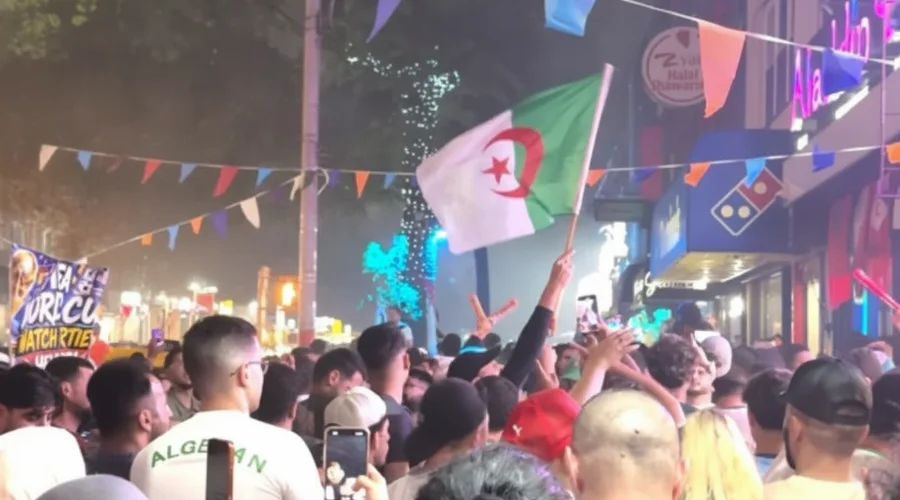
New York City, a melting pot of cultures, frequently transforms into a vibrant stage for international events, and the World Cup is no exception. Among the diverse communities that call the city home, Arab football fans have established a notable presence, congregating to passionately follow the journeys of national teams representing Arab nations. These gatherings are not merely about witnessing victories; they embody a deeper sense of solidarity and cultural pride that transcends individual match results.
The atmosphere in these fan zones, often found in cafes, community centers, or designated viewing parties across the city, is electric. Chants in Arabic, flags waving from various countries, and the collective roar of anticipation or celebration characterize these unique spaces. For many, it's an opportunity to connect with their heritage and share a common experience with fellow expatriates and diaspora members, fostering a temporary but strong sense of community.
Unwavering Support Beyond the Scoreboard
A striking aspect of these celebrations is the consistent display of support, irrespective of whether an Arab team wins, draws, or faces defeat. This unwavering loyalty highlights the profound emotional connection fans have with their national teams. One fan, interviewed amidst a lively gathering, articulated this sentiment clearly: 'I'm gonna support every Arabic team, okay?' This statement encapsulates the broader ethos of unity that permeates these events.
This collective support extends beyond a single nation's team, embracing all Arab representation in the tournament. When one Arab team performs well, it is often celebrated by fans from other Arab countries, viewing it as a shared triumph for the wider Arab world. Conversely, a loss is met with shared disappointment but also renewed determination and hope for future matches and tournaments.
The Cultural Significance of Football
Football, or soccer as it's known in the United States, holds immense cultural significance in many Arab countries. It is more than just a sport; it is a unifying force, a source of national pride, and a reflection of societal spirit. This deep-rooted passion is vividly transported to cities like New York, where immigrant communities strive to maintain cultural ties while integrating into a new environment.
The World Cup, with its global appeal, provides a perfect platform for this cultural expression. It allows individuals to proudly display their heritage, share their traditions, and educate others about their culture through the universal language of sport. These fan gatherings serve as informal cultural exchanges, where food, music, and customs are shared alongside the excitement of the game.
Community Building in a Global City
Beyond the immediate excitement of the matches, these World Cup celebrations play a crucial role in community building among Arab diaspora members in New York. They offer a regular occasion for people to meet, socialize, and reinforce social networks. For newer immigrants or those feeling disconnected, these events can provide a vital sense of belonging and camaraderie.
The shared experience of watching a game, especially one as significant as a World Cup match, can forge strong bonds. It creates shared memories and strengthens a collective identity. This is particularly important in a sprawling metropolis like New York, where maintaining community ties can sometimes be challenging due to geographical distances and busy lifestyles.
Looking Ahead: A Tradition of Unity
As the World Cup progresses, the tradition of Arab fans uniting in New York to celebrate their teams is expected to continue. These gatherings are not just fleeting moments of excitement but are becoming an established part of the city's diverse cultural landscape, showcasing the enduring power of sport to bring people together, celebrate heritage, and build community spirit. The commitment to supporting 'every Arabic team' underscores a powerful message of solidarity that resonates far beyond the football pitch.
Source: Al Jazeera
Related Articles
 sport
sport
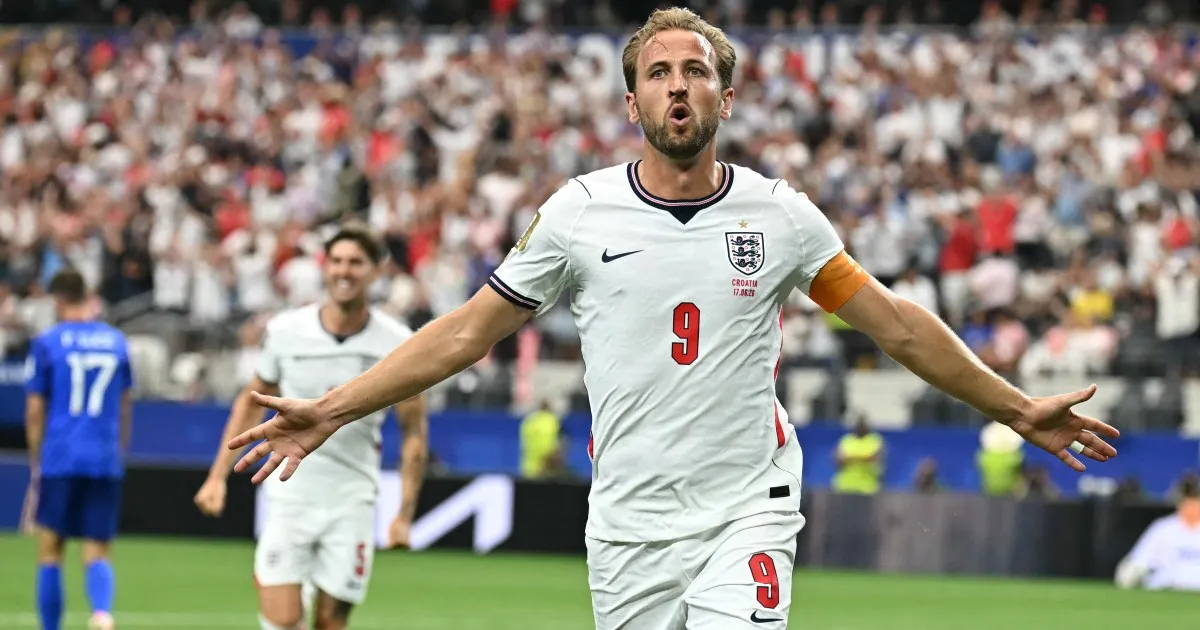
England Prepares for Crucial World Cup Clash Against Ghana
 sport
sport
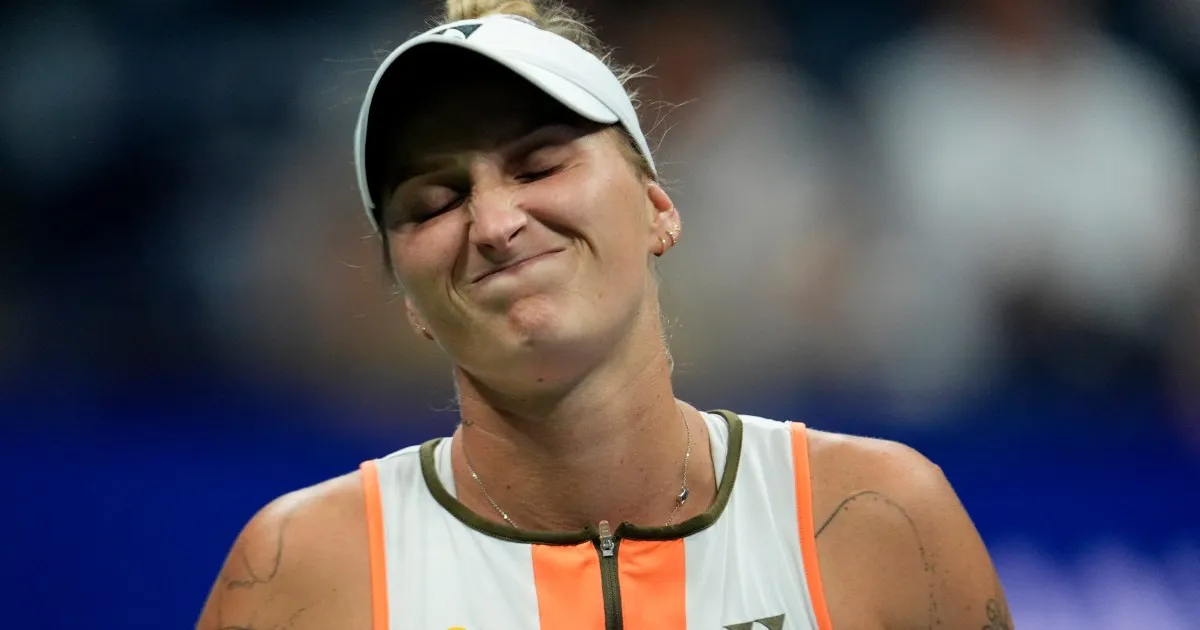
Former Wimbledon Champion Marketa Vondrousova Denies Doping Amidst Four-Year Ban
 sport
sport
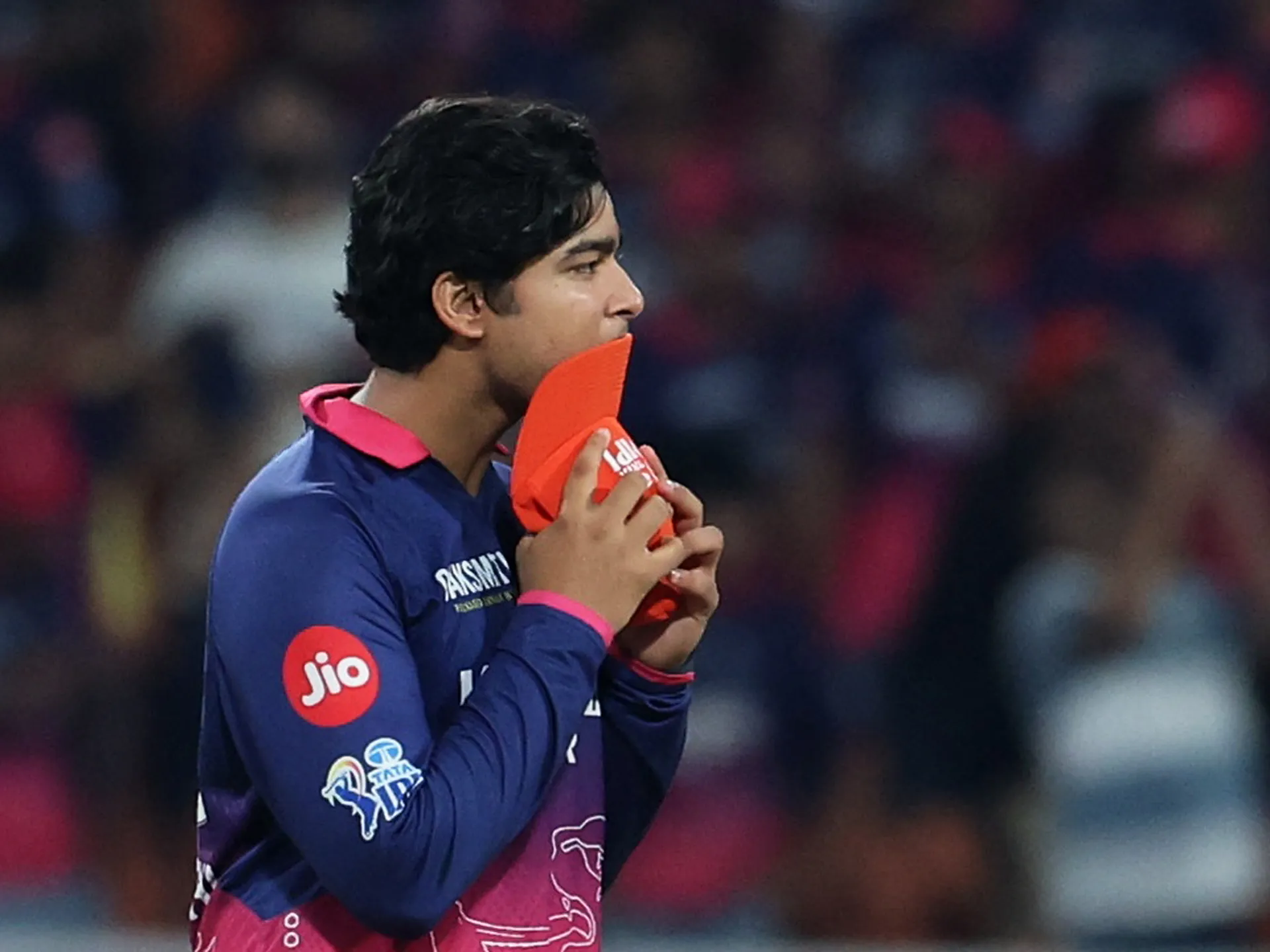
Cricket Prodigy Vaibhav Sooryavanshi Receives Maiden India Cap, Set for Potential International Debut
 sport
sport