
The Impact of AI on Consumer Electronics Pricing
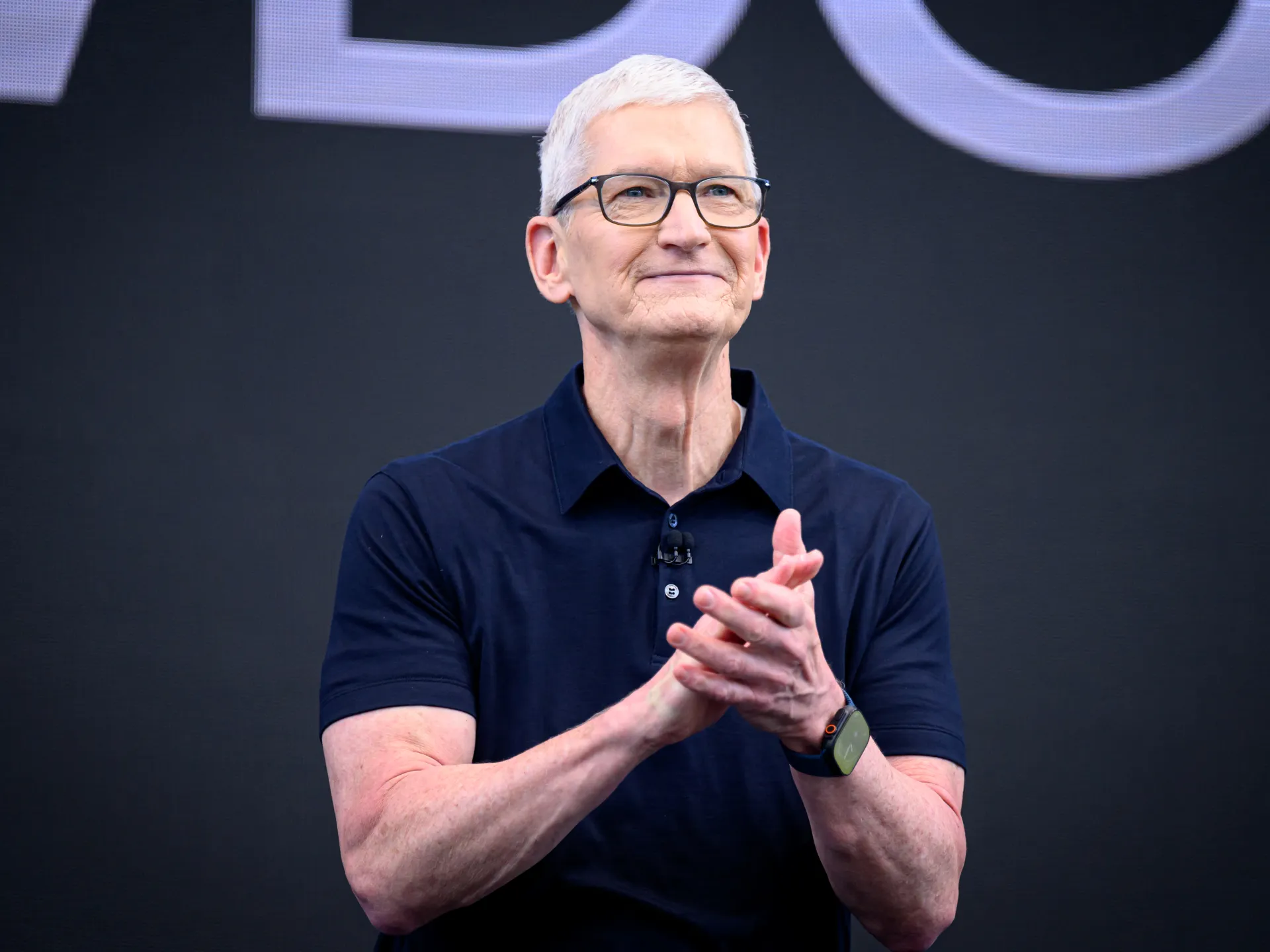
Apple products are expected to see price increases, a development outgoing CEO Tim Cook recently conveyed to The Wall Street Journal. The primary driver behind these anticipated adjustments is the significant demand for memory chips, a consequence of the burgeoning artificial intelligence sector. Cook emphasized that while Apple has endeavored to shield consumers from these rising costs, the current market conditions have rendered such efforts unsustainable.
“Unfortunately, price increases are unavoidable,” Cook stated, highlighting the challenges faced by the company in maintaining current pricing structures amidst a shifting supply landscape.
Specifics Remain Undisclosed
While the CEO confirmed the likelihood of price hikes, he did not offer specific details regarding the timing of these increases or which particular devices would be affected. The potential impact on upcoming product releases, such as the anticipated iPhone 18 later this year, remains unclear. The core issue, according to Cook, is a reduction in available supply coinciding with a consistent consumer appetite for new devices, compounded by substantial price increases from memory component manufacturers.
Research firm TechInsights, as cited by The Wall Street Journal, estimated that Apple might need to raise the price of its iPhone Pro model by approximately $270 to sustain its existing profit margins. This figure underscores the considerable pressure on consumer electronics companies due to the current market dynamics.
Intensifying Competition for Key Components
The rapid expansion of AI data centers has created a fiercely competitive environment for key electronic components. This heightened competition has led to a dwindling supply of essential parts, consequently pushing prices upwards. Memory chips, in particular, have experienced significant quarterly price increases, reportedly by at least 50 percent since late 2025.
Tim Cook, whose career has extensively involved electronic supply chains, including roles at IBM and Compaq before joining Apple, described the current situation as unprecedented. He likened the magnitude of these price increases to a “hundred-year flood,” illustrating the extraordinary nature of the market shifts.
Focus on Memory and Storage Costs
Apple’s concerns extend to both memory and storage costs, with a particular focus on the DRAM (dynamic random access memory) market. This emphasis stems from the substantial requirements of AI infrastructure, which heavily utilizes high-bandwidth memory. Cook explained that a significant portion of the available supply is now being allocated to high-bandwidth memory to meet the demands of AI servers, further constraining supply for other applications, including consumer electronics.
Global Supply Chains and Regulatory Considerations
The conversation also touched upon the global supply chain, particularly the role of leading memory and storage companies in China. Cook acknowledged that US firms might require specific licenses to collaborate with these Chinese entities, owing to existing national security laws. When asked about potentially easing such restrictions, Cook suggested a comprehensive review of all available options.
“Everything needs to be on the table… I think we should look at all supplies,” he remarked, indicating a willingness to explore various avenues to address the supply challenges. This perspective highlights the intricate relationship between technological advancement, market forces, and geopolitical considerations in the global electronics industry.
The current market conditions represent a significant challenge for technology companies, requiring strategic adjustments to pricing and supply chain management. As the AI boom continues to reshape demand for critical components, its ripple effects are becoming increasingly evident across the broader consumer electronics landscape, signaling a potentially new era of pricing for high-tech devices.
Source: Apple CEO warns price rises ‘unavoidable’ amid AI boom
Related Articles
 business
SpaceX Targets $1.77 Trillion Valuation in Anticipation of Public Offering
 business
Alphabet Announces Significant Stock Sale to Boost AI Initiatives
 business
Starbucks Experiences Sales Decline in South Korea Following Controversial 'Tank Day' Campaign
 business