
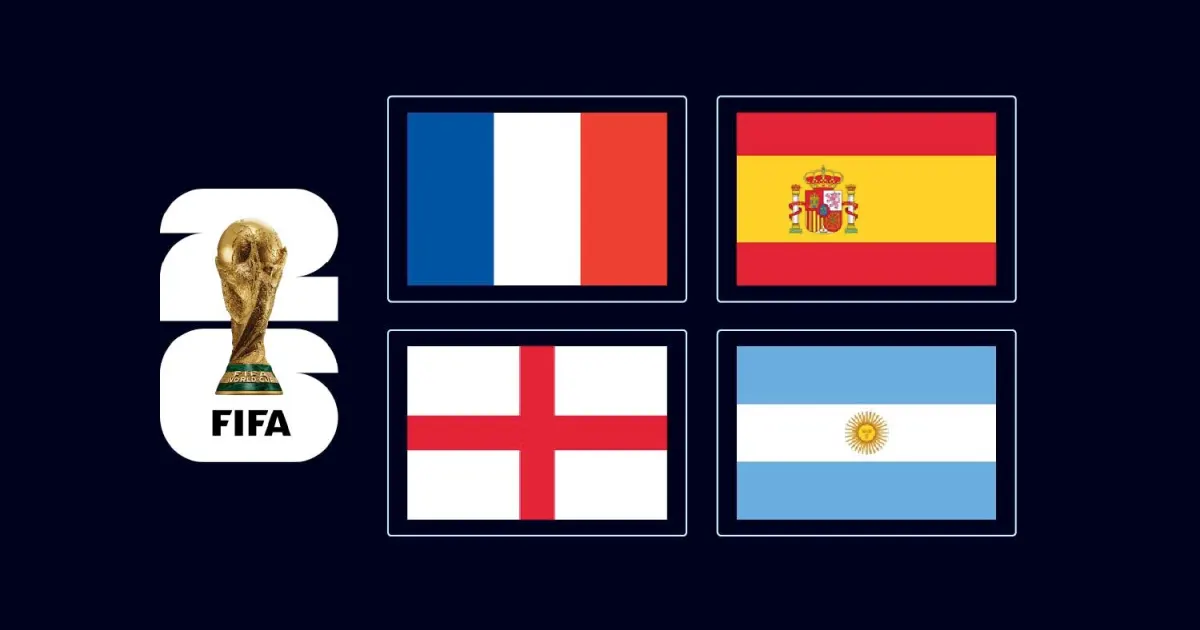
Advanced AI Foresees Intense 2026 World Cup Final
With the 2026 FIFA Men's World Cup progressing into its critical final stages, researchers at AJLabs deployed a comprehensive study utilizing nine leading artificial intelligence models to forecast the ultimate winner. The objective was to leverage the analytical power of AI to predict the tournament's podium finishers, drawing upon an extensive dataset encompassing each team's attributes and performance. The AI systems considered a variety of crucial metrics, including the overall strength of the team, the individual quality and depth of the squad, the strategic acumen of the coaching staff, the team's historical performance in major tournaments, and their current form throughout the ongoing competition.
The collective intelligence of these AI models strongly points towards a final showdown between two footballing giants: France and Argentina. France emerged as the frontrunner in the championship predictions, garnering five out of nine votes from the participating AI models, specifically Gemini, Grock, DeepSeek, Le Chat, and Qwen. The reigning world champions, Argentina, were not far behind, receiving the remaining four votes from ChatGPT, Claude, Copilot, and Meta AI. This clear division underscores a significant consensus among diverse AI platforms regarding the two most probable victors.
Divergent Predictions for Runner-Up and Third Place
While the top spot saw a clear binary choice, the predictions for the runner-up position presented a more varied outlook. Both France and Argentina each received three votes for finishing as the second-best team. England followed with two votes, and Spain secured one, indicating a slightly broader range of possibilities for the silver medal. The battle for third place, however, showed a more pronounced favorite. Spain was overwhelmingly predicted to secure the bronze, receiving six of the nine third-place forecasts. England and France each received fewer votes for this position, suggesting that while they are strong contenders, their chances of a third-place finish were deemed lower by the AI models compared to Spain.
The AI predictions highlight a broad consensus around the four remaining contenders – France, Argentina, Spain, and England – but also reveal nuanced differences in how leading language models weigh recent performances, squad depth, and tournament momentum.
These AI-driven forecasts arrive as the tournament enters its pivotal semifinal phase. The schedule for these crucial matches includes France facing Spain on July 14 at AT&T Stadium in Arlington, Texas. The following day, July 15, will see England go head-to-head with Argentina at Mercedes-Benz Stadium in Atlanta, Georgia. These matchups are expected to be fiercely contested, with the outcomes directly impacting the validity of the AI's predictions.
Tournament Climax Approaches
The intensity of the competition will further escalate with the third-place playoff scheduled for July 18, setting the stage for the highly anticipated World Cup final on July 19. The grand finale will take place at MetLife Stadium in East Rutherford, New Jersey, where the world will witness which nation ultimately lifts the coveted trophy. The accuracy of these sophisticated AI predictions will be thoroughly tested against the unpredictable and dynamic nature of live football.
The detailed breakdown of the AI models' champion, runner-up, and third-place predictions is as follows:
Champion Predictions:
- France: 5 models
- Argentina: 4 models
Runner-up Predictions:
- France: 3 models
- Argentina: 3 models
- England: 2 models
- Spain: 1 model
Third-place Predictions:
- Spain: 6 models
- England: 2 models
- France: 1 model
The application of artificial intelligence in predicting such high-stakes sporting events demonstrates the growing capability of these technologies to analyze complex data and identify potential outcomes, offering an intriguing perspective on the future of sports analytics.
Source: Original Article
Related Articles
 sports
Spain's Yamal Eyes World Cup Final as Birthday Triumph Against France
 sports
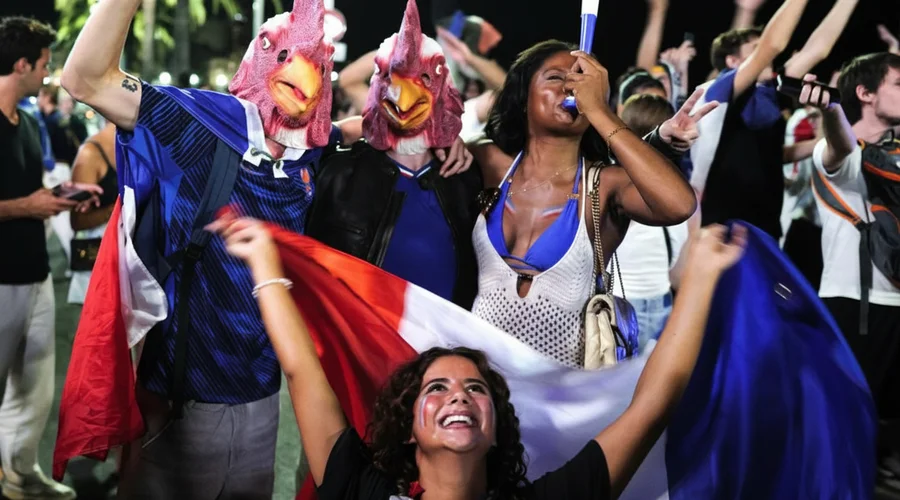
FIFA World Cup Semifinals: France to Battle Spain, Argentina to Renew Rivalry with England
 sports
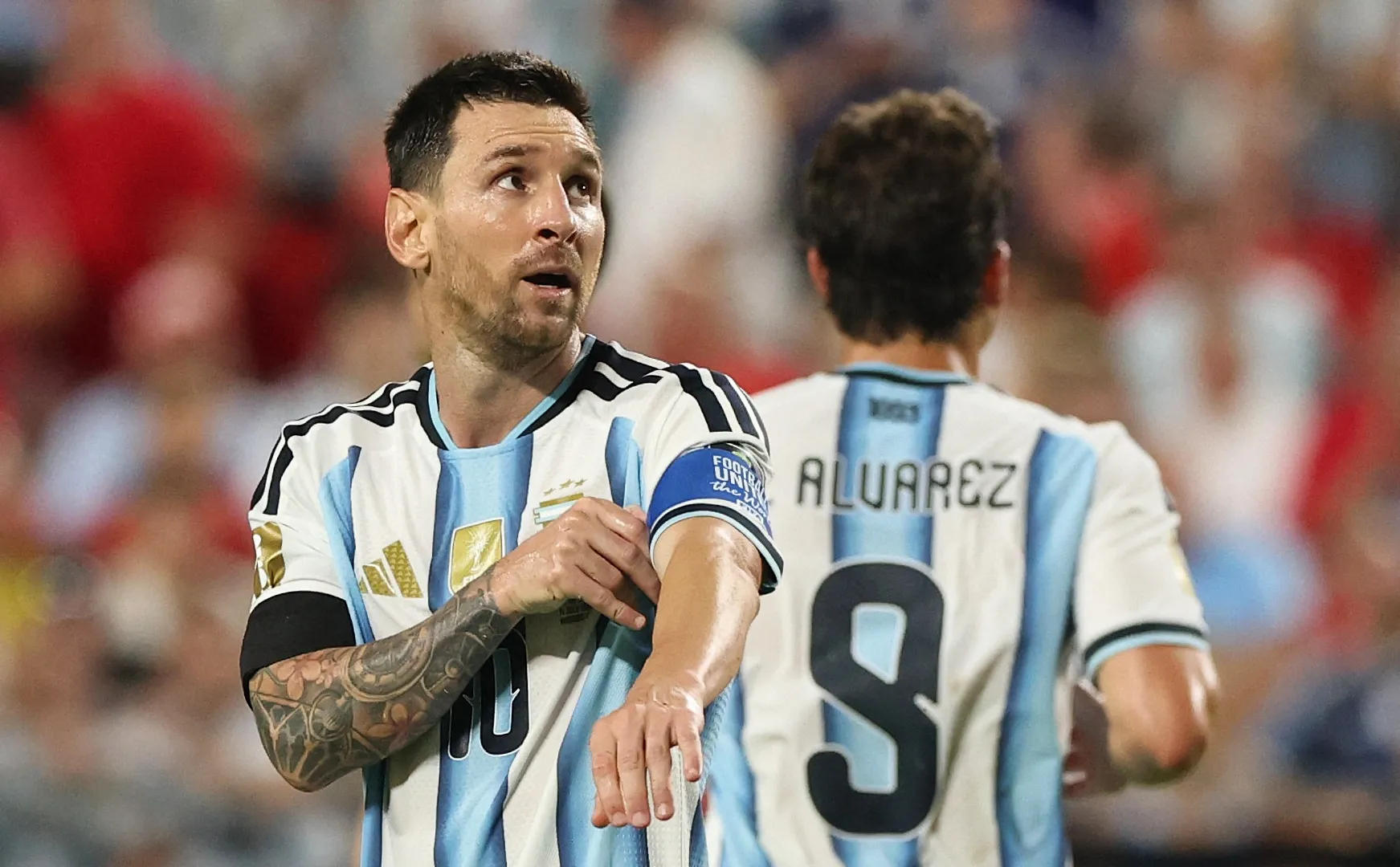
Argentine Veterans Advocate for Sportsmanship Ahead of World Cup Semifinal Against England
 sports