
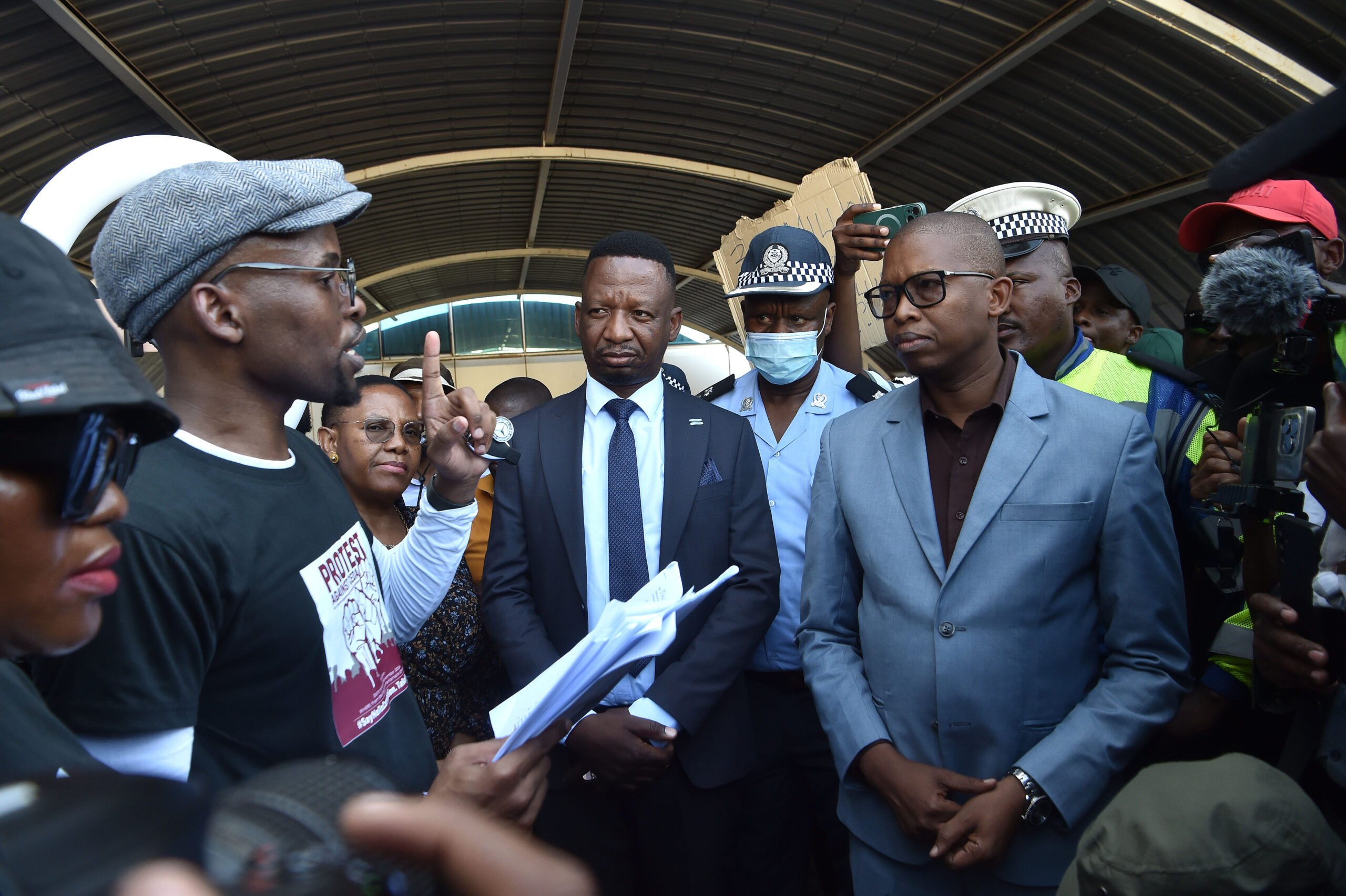
In recent years, the concept of 'elite corruption' has gained significant traction in public and political discourse across various nations. This term often refers to instances where individuals in positions of power—whether in government, large corporations, or influential institutions—are perceived to misuse their authority for personal gain, potentially undermining public trust and equitable governance. Addressing these concerns effectively requires a multi-faceted approach, with transparency reports increasingly recognized as a vital component in fostering accountability and rebuilding public confidence.
The Rising Salience of Elite Corruption Concerns
The perception of elite corruption is not new, but its prominence has been amplified by several factors. Globalization has interconnected economies and political systems, making cross-border financial flows and complex corporate structures more prevalent. This complexity can sometimes obscure the origins and beneficiaries of wealth, leading to suspicions of illicit activities. Furthermore, the rapid dissemination of information through digital media and social platforms means that alleged instances of corruption, once confined to local news, can now quickly become global talking points, fueling public skepticism.
Transparency reports serve as a crucial mechanism for organizations and governments to openly disclose their operations, financial dealings, and decision-making processes.
Economically, the widening gap between the wealthy and the general populace in many countries has also contributed to the narrative. When economic disparities are stark, and there are perceived instances of those at the top benefiting unfairly, it can exacerbate public frustration and reinforce beliefs about systemic corruption. Politically, this sentiment can manifest in reduced voter turnout, increased support for anti-establishment movements, and a general erosion of faith in democratic institutions.
The Role of Transparency Reports
Transparency reports serve as a crucial mechanism for organizations and governments to openly disclose their operations, financial dealings, and decision-making processes. These reports can take various forms, from annual financial statements and lobbying disclosures to detailed breakdowns of public contracts and asset declarations by public officials. The fundamental objective is to make information accessible to the public, allowing for scrutiny and independent verification.
- Governmental Transparency: For public sector entities, transparency reports can include budgets, expenditure details, procurement contracts, and the assets and liabilities of elected officials and senior civil servants. Such disclosures aim to prevent conflicts of interest and the misuse of public funds.
- Corporate Transparency: In the corporate world, reports often cover financial performance, tax payments, beneficial ownership, and corporate social responsibility initiatives. These help stakeholders understand how companies operate and whether they adhere to ethical standards.
- International Organizations: Even international bodies are increasingly adopting transparency measures, publishing details of their funding, projects, and internal governance to ensure accountability to member states and global citizens.
Benefits and Challenges of Implementation
The benefits of robust transparency reporting are manifold. Firstly, they can act as a deterrent to corrupt practices. Knowing that financial dealings and decisions are subject to public review can discourage individuals from engaging in illicit activities. Secondly, they empower civil society organizations, journalists, and the general public to hold powerful entities accountable, fostering a more engaged and informed citizenry. Thirdly, enhanced transparency can improve a country's investment climate, as investors often prefer stable environments with predictable legal frameworks and low corruption risks.
Challenges in Practice
Despite the clear advantages, implementing effective transparency reporting mechanisms is not without its challenges. One significant hurdle is the potential for information overload. Simply publishing vast amounts of data without proper context or user-friendly interfaces can make it difficult for the public to extract meaningful insights. There is also the risk of 'greenwashing' or 'transparency washing,' where entities publish superficial reports that lack substantive detail or omit critical information, creating an illusion of openness without genuine accountability.
Furthermore, the political will to enforce and expand transparency measures can vary. Powerful individuals and entities may resist disclosures that could expose their activities to scrutiny. Ensuring the independence of oversight bodies and providing adequate protection for whistleblowers are also critical components that must accompany transparency initiatives to be truly effective.
Moving Forward: Towards Greater Accountability
To effectively address concerns about elite corruption, a concerted effort is required to strengthen transparency reporting frameworks. This includes developing standardized reporting formats, utilizing technology to make data more accessible and searchable, and investing in public education to enhance financial literacy and critical analysis skills. International cooperation is also essential, given the cross-border nature of many corrupt schemes.
Ultimately, transparency reports are not a panacea but a powerful tool in the broader fight against corruption. When implemented comprehensively and supported by strong legal frameworks, independent oversight, and an engaged public, they can significantly contribute to building more accountable, equitable, and trustworthy societies.
Related Articles
politics
Botswana's Enduring Fight Against Corruption: A Model for Transparency?
 politics
Examining the Far-Reaching Impact of Corruption Through Educational Content
 politics
Botswana's Fight Against Corruption: Tangible Successes That Restore Public Trust
politics